Rare Redstart Returns?

The last day of January, a gray day in Ventura. My plan was to go to Arroyo Verde Park, where it all began back in December 2019, and try to tally an owl. We saw a Great Horned Owl family that late afternoon when David led us on our first birding expedition. I had hoped the dark late afternoon sky might coerce an owl out again. Not a chance. A park worker said he had seen an owl in the same nest we saw in 2019, but it was a couple months ago. Darn.

But…

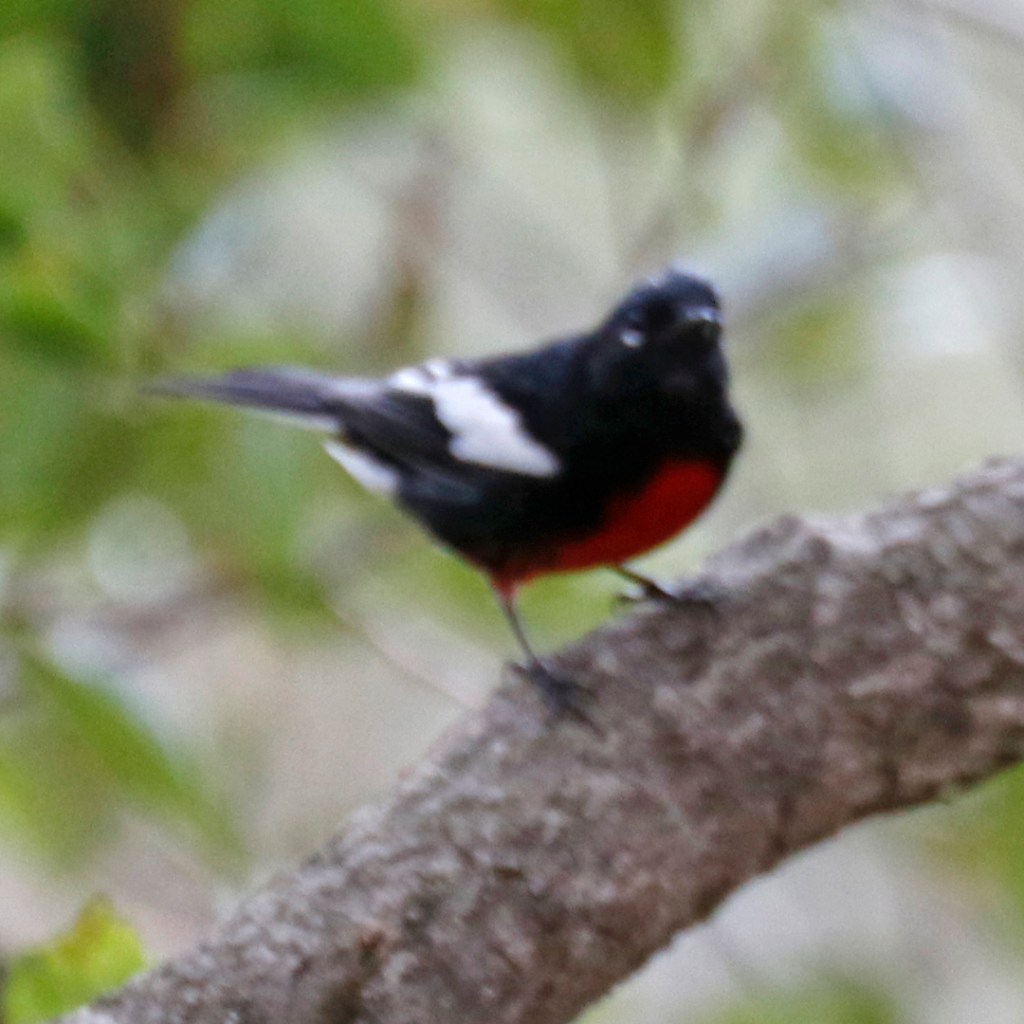
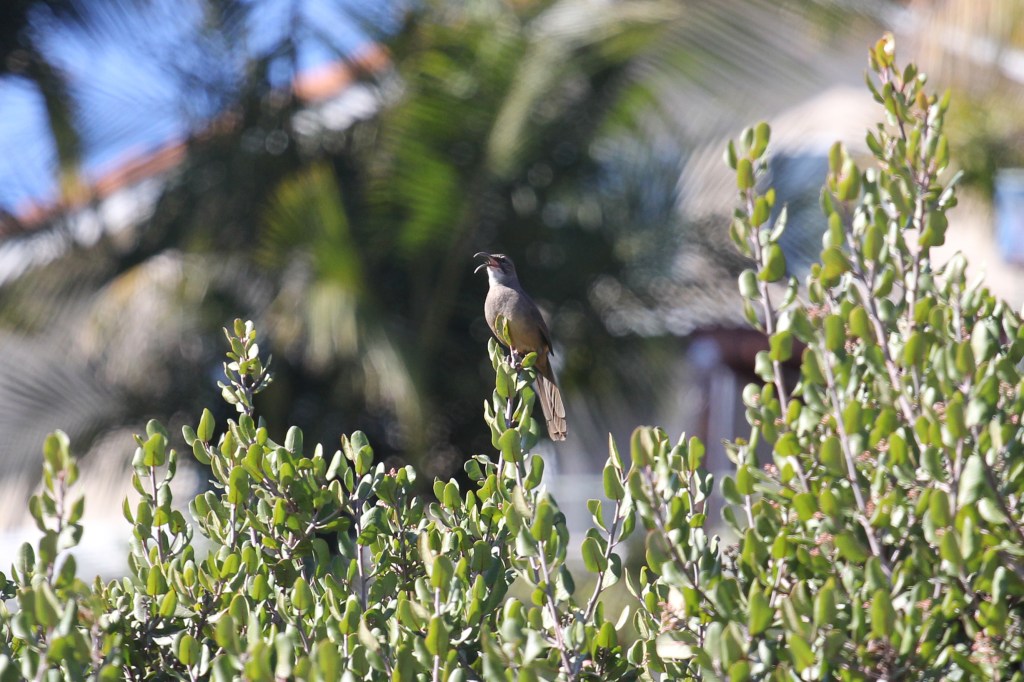
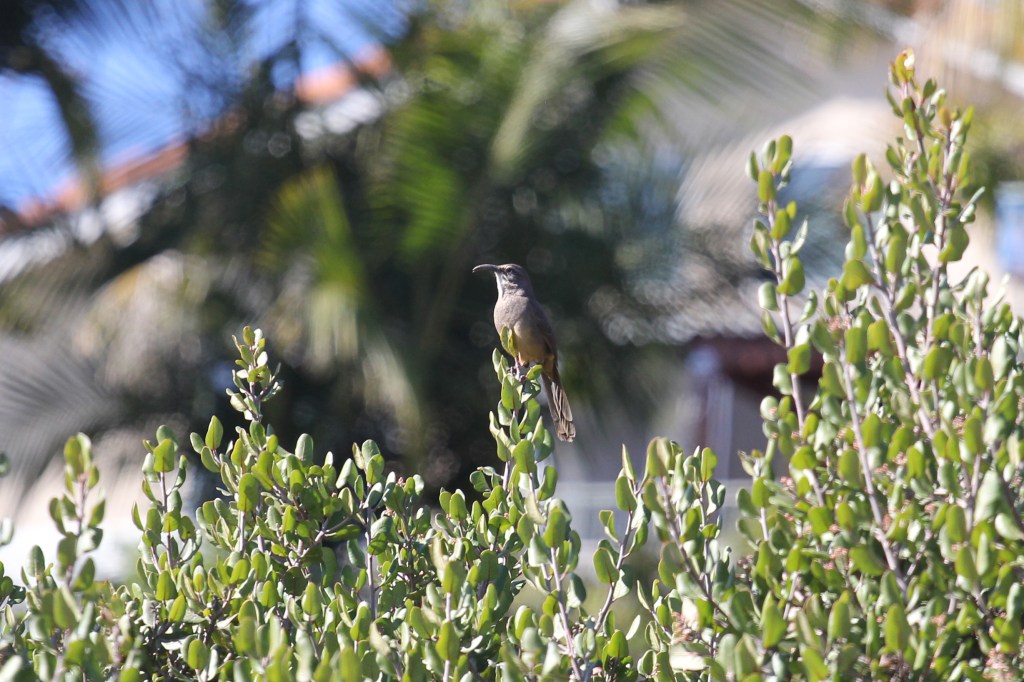
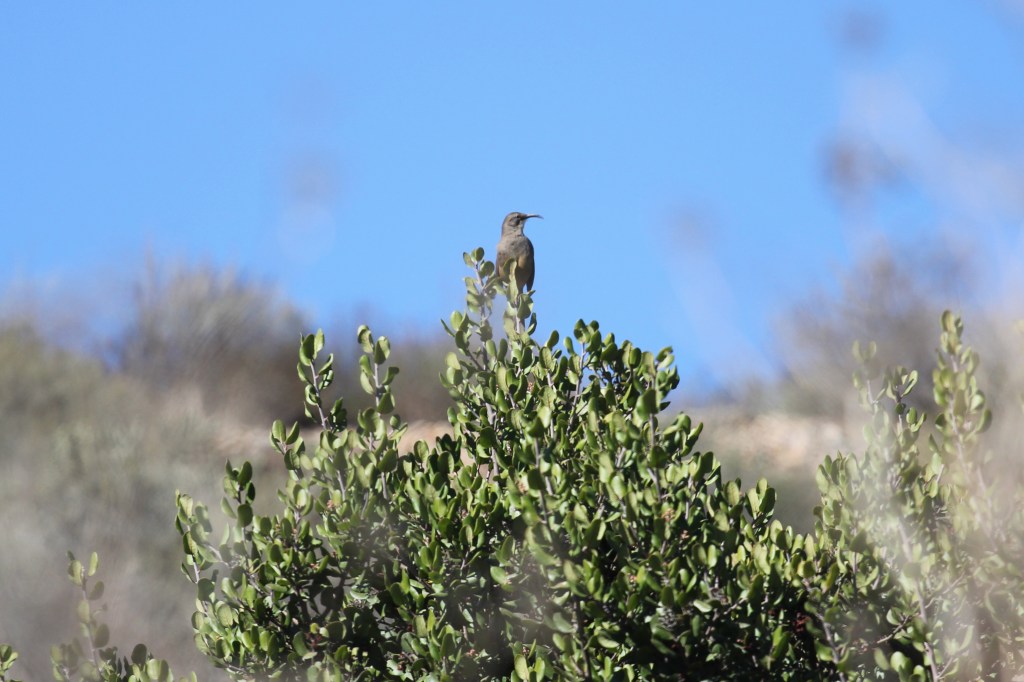
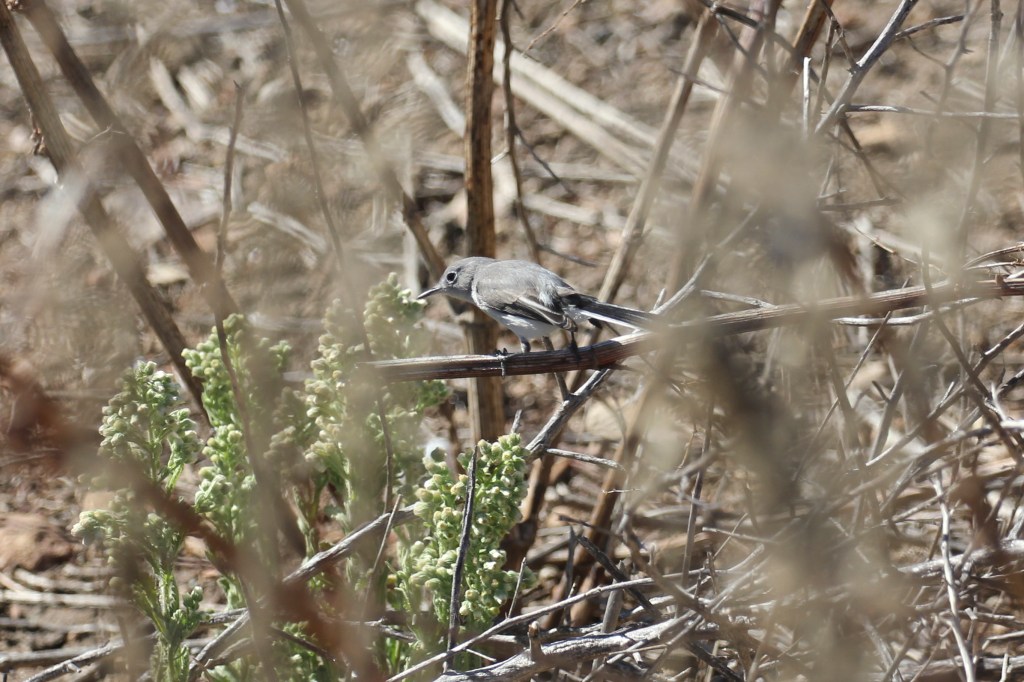
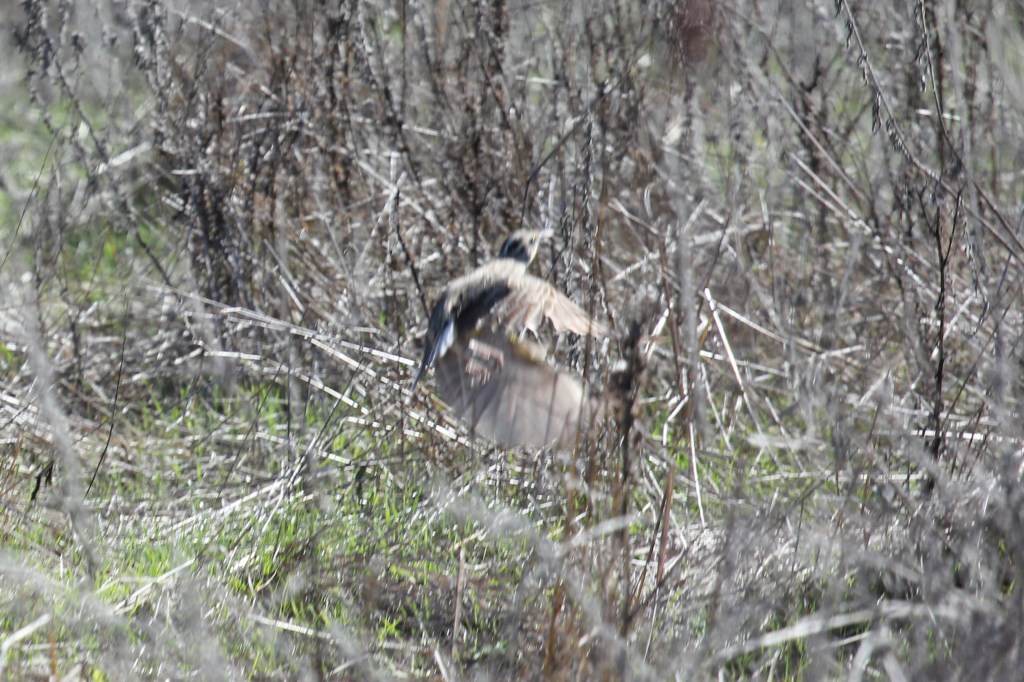
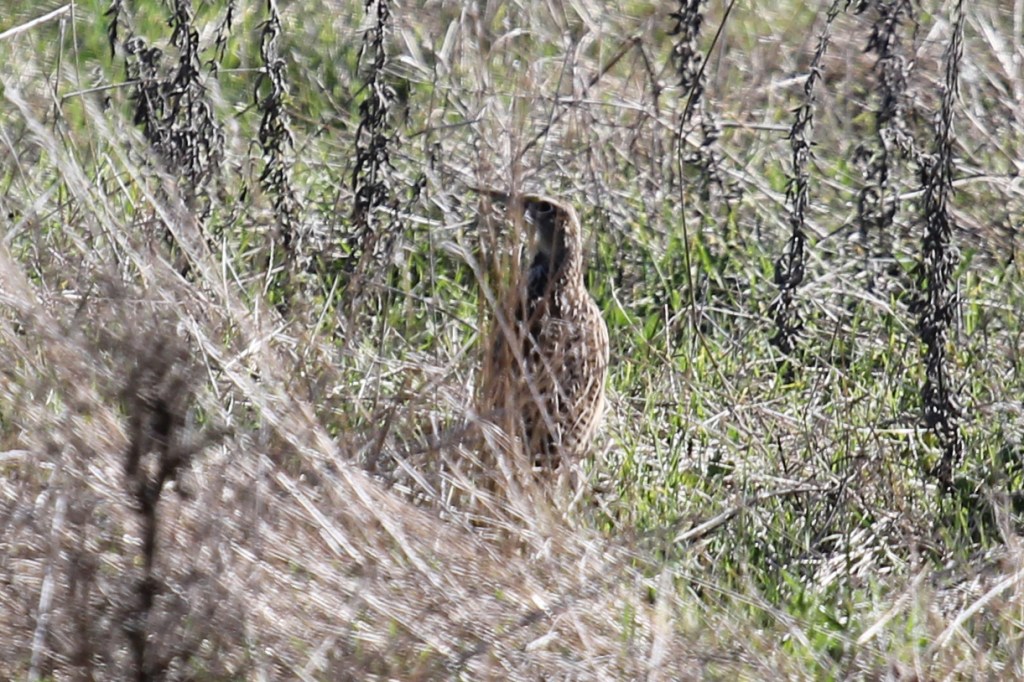
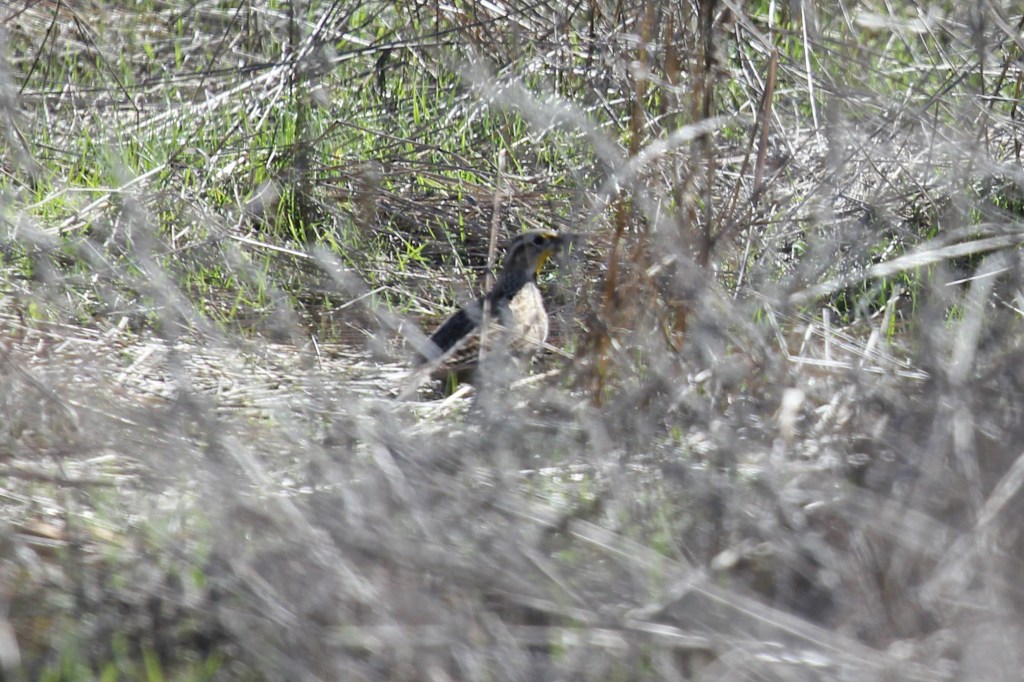
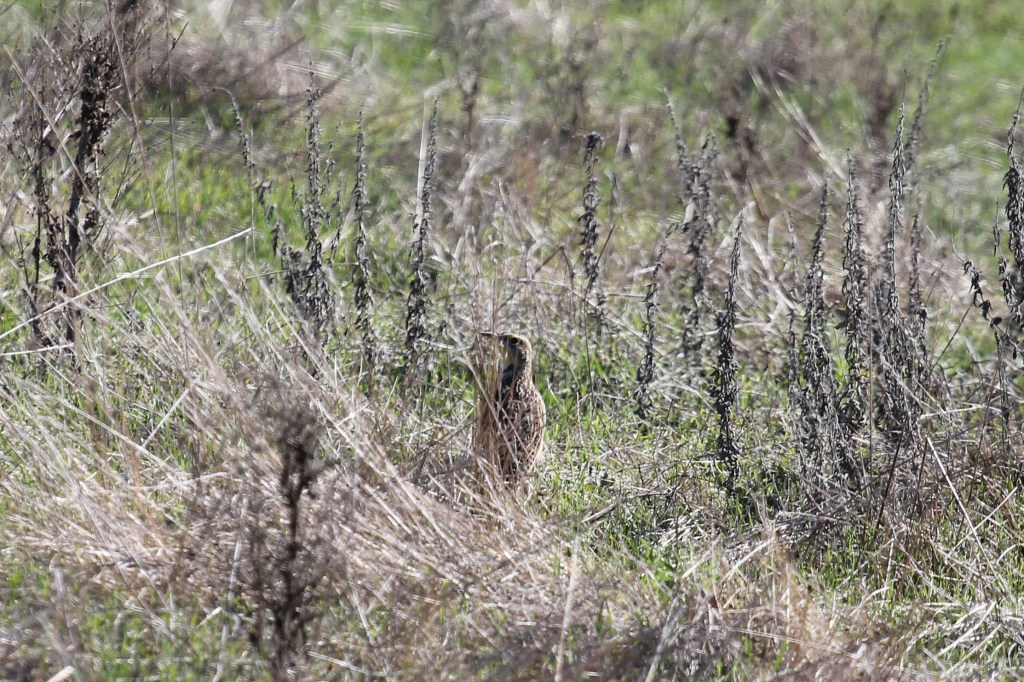
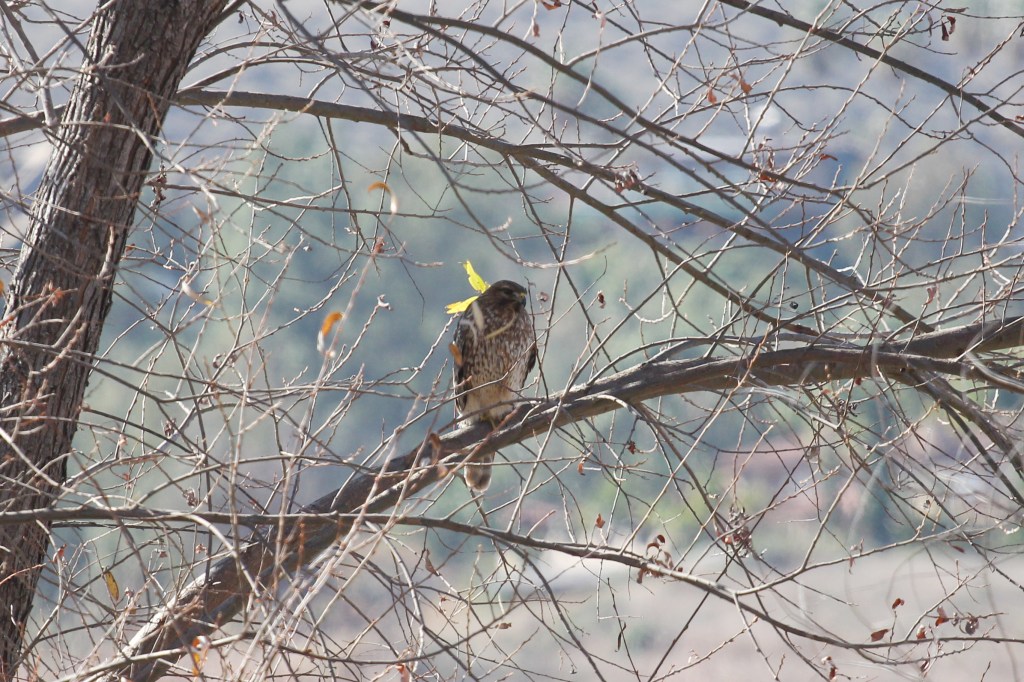
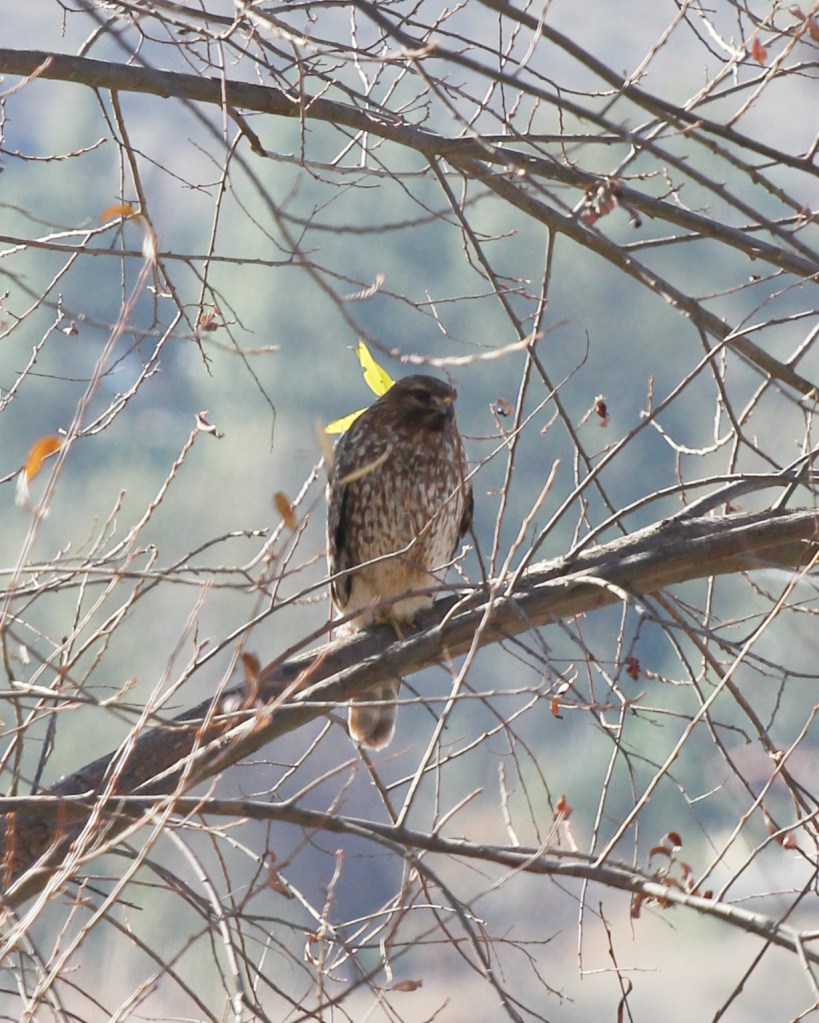
Before that dose of reality I had been walking by the area where David found the Painted Redstart back in 2019. I heard an unfamiliar bird call. No, it couldn’t be. I walked up to the same bunch of trees as in 2019 and saw a small dark bird flitting around inside the branches. The darn little thing would not stay put for a good photo (in the bad lighting conditions of a cloudy late afternoon, nice plan Dean) and eventually worked its way into a hidden area. I had managed to click the shutter a few times more or less just hoping. In the viewfinder I had seen a small black bird with distinct white markings on its wings and tail. I knew whatever it was, we did not have it yet in our 2021 collection so I was happy. Only after getting home and using Photoshop to pull a little more detail from the darkness did the brilliant red patch on the belly reveal itself. A Painted Redstart, that is not supposed to be in the area at this time of year… just like in 2019!

So the ultimate question is, if this bird species is not expected to be here in Ventura, could it possibly be the exact same bird, who liked its 2019 visit so much that it returned? What are the chances? Can a blurry photo give any clues?

Dean

December 27, 2019
January 31, 2021

A distant traveler

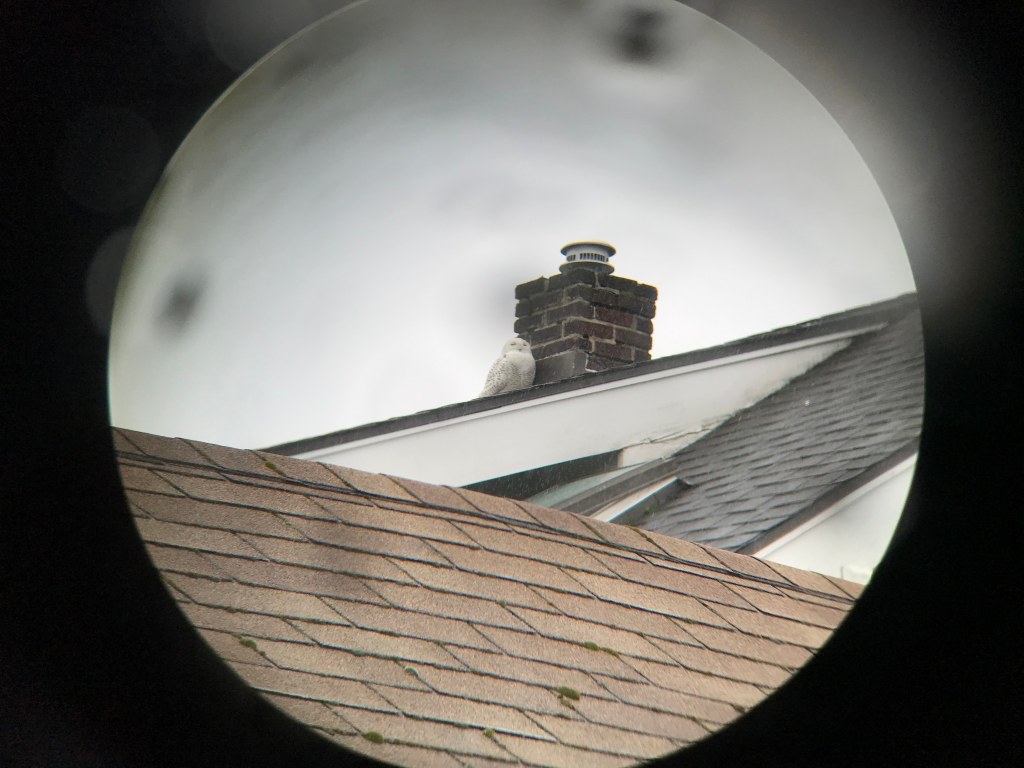
Today we had the rare treat of seeing a snowy owl in Seattle! David got a “rare bird alert” via the ebird email list informing him that a snowy owl had been sighted in the Queen Anne neighborhood. He actually saw the same bird on Thanksgiving when he got a similar alert and went looking for it then. When we spotted it today, it was sitting on the roof of the house next door to where David saw it previously. It was nestled against the chimney, and we think it was staying warm using heat coming up from the fire the household had in their fireplace.

There were a handful of other folks observing the owl in the alley behind the house. Someone kindly showed us a spot with a good view and moved away so we could check it out. Thanks, kind stranger!

We also noticed a poster written by a local resident and Audobon society member informing the Snowy Owl’s fans of potential risk to the owl due to rodenticide use in the area. The owl is being monitored for signs of rodenticide poisoning in order to provide treatment, if necessary. So far, so good.

We feel very fortunate to have seen this beautiful bird!

Bonita Beach

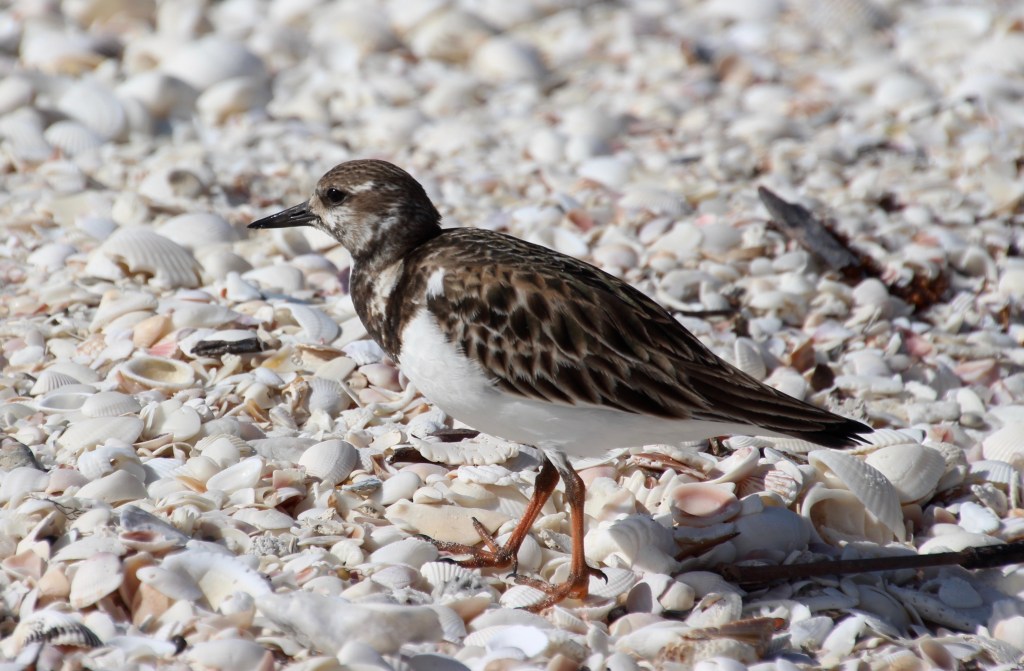
The “Sandpiper” mentioned in this post was re-identified as a Ruddy Turnstone after the original publishing date.

Perhaps my favorite shore bird! This Sandpiper runs up and down sandy Florida beaches, deftly avoiding wave action as it probes the sand for invertebrate prey.

Counting on this shorebird to be a Semipalmated Sandpiper. Photographed it mixed in with a bunch of Sanderlings.

Sanderling

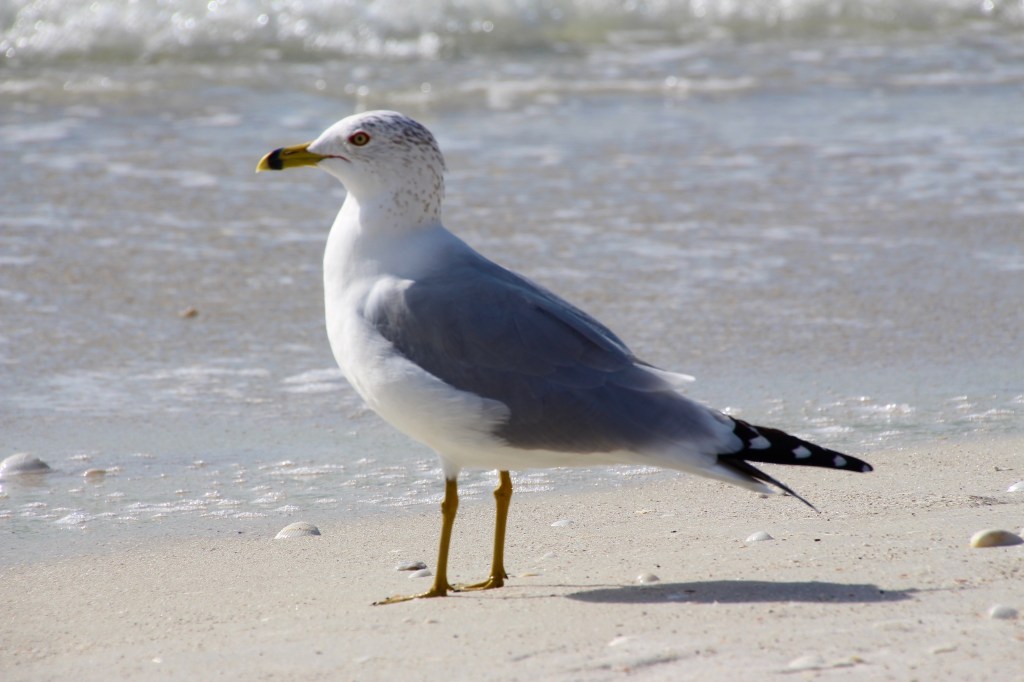
The common Ring-billed Gull.  Today this guy was photographed on Bonita Beach – but he can just as likely be spotted in a McDonald’s parking lot looking for easy handouts.

-Paul and Julie

Lucky shorts

The last time I wore my parrot-patterned Patagonia baggies while birding was last June when Mum and Dad visited Del Mar and we walked down to the San Dieguito Lagoon to photograph the Ospreys and Barn Swallows in their respective nests.

Those shorts brought us some luck today in Rancho Penasquitos off Black Mountain Road. Here are some of our favorites.

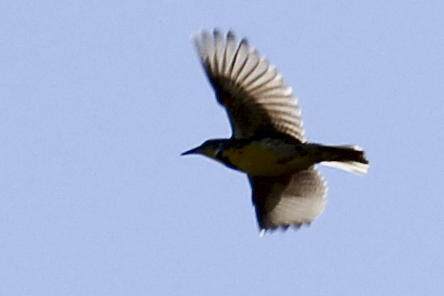
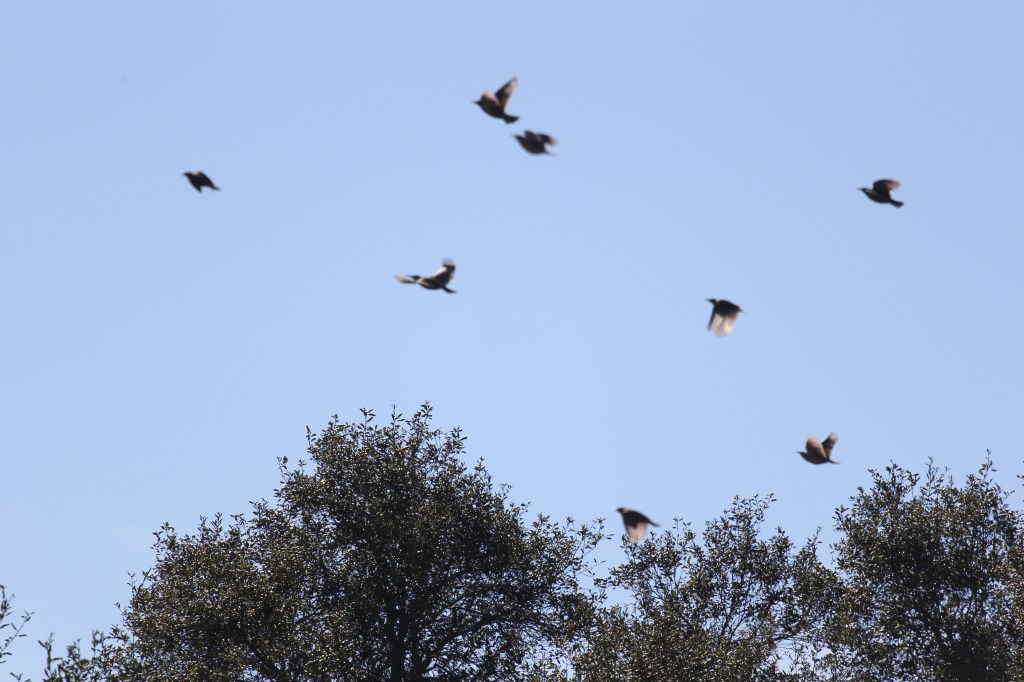
We learned that the Western Meadowlark is the state bird of six states: Montana, Kansas, Nebraska, North Dakota, Oregon, and Wyoming!

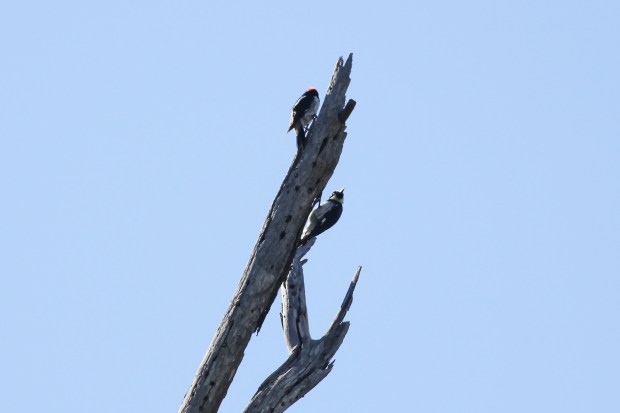
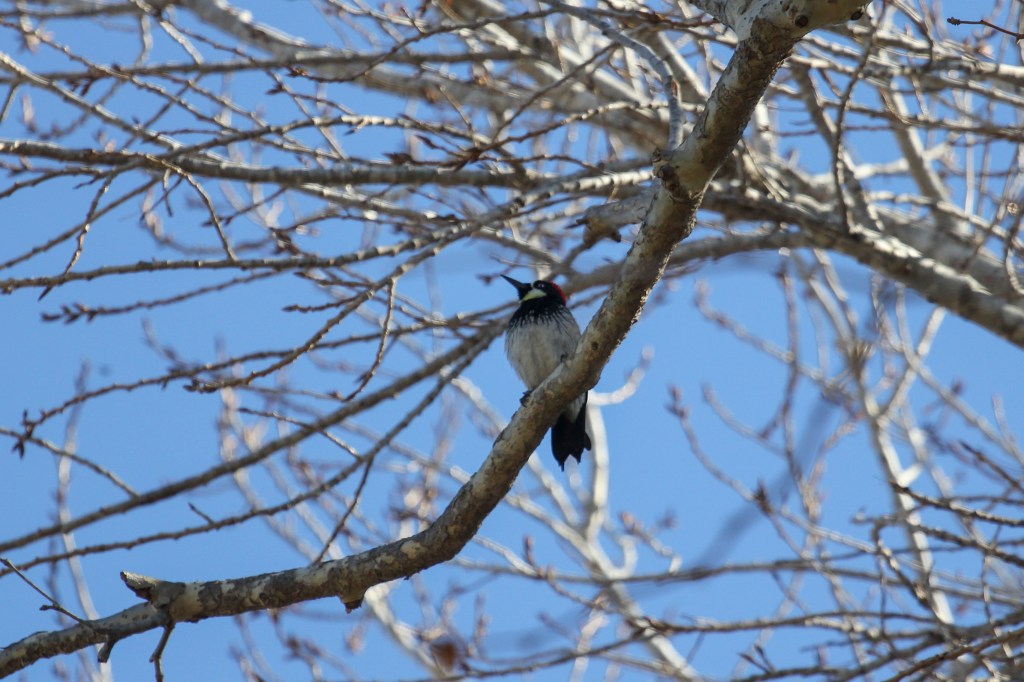
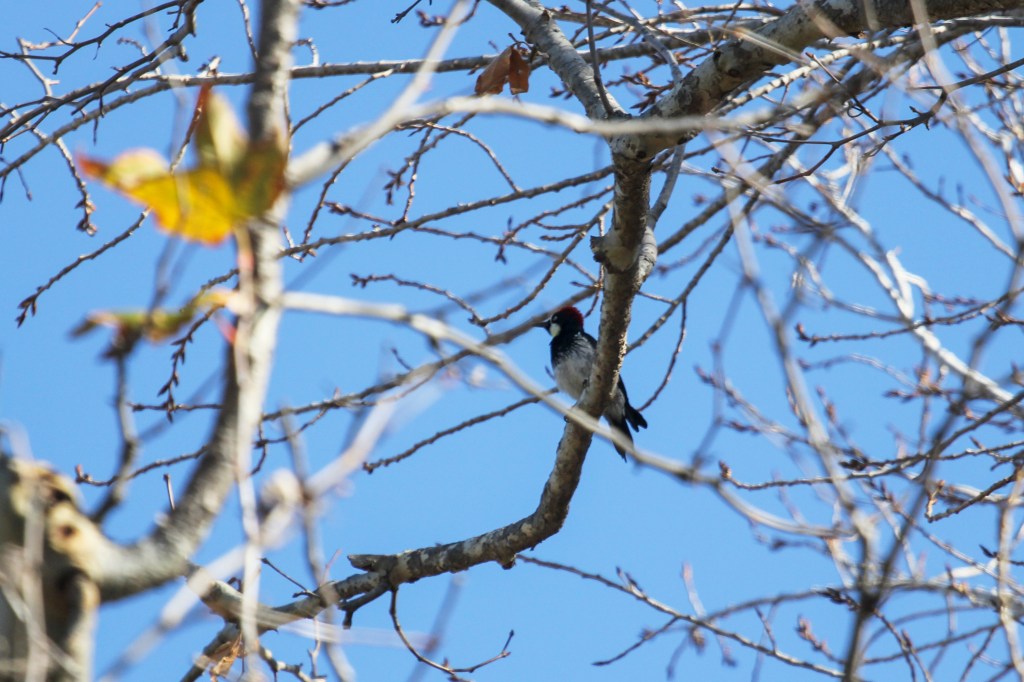
We were walking and I said, ‘I want to see an Acorn Woodpecker.’ Then about 2 minutes later we saw this pair. Ask and you shall receive!

And more at the end of the walk:

Western Scrub Jay
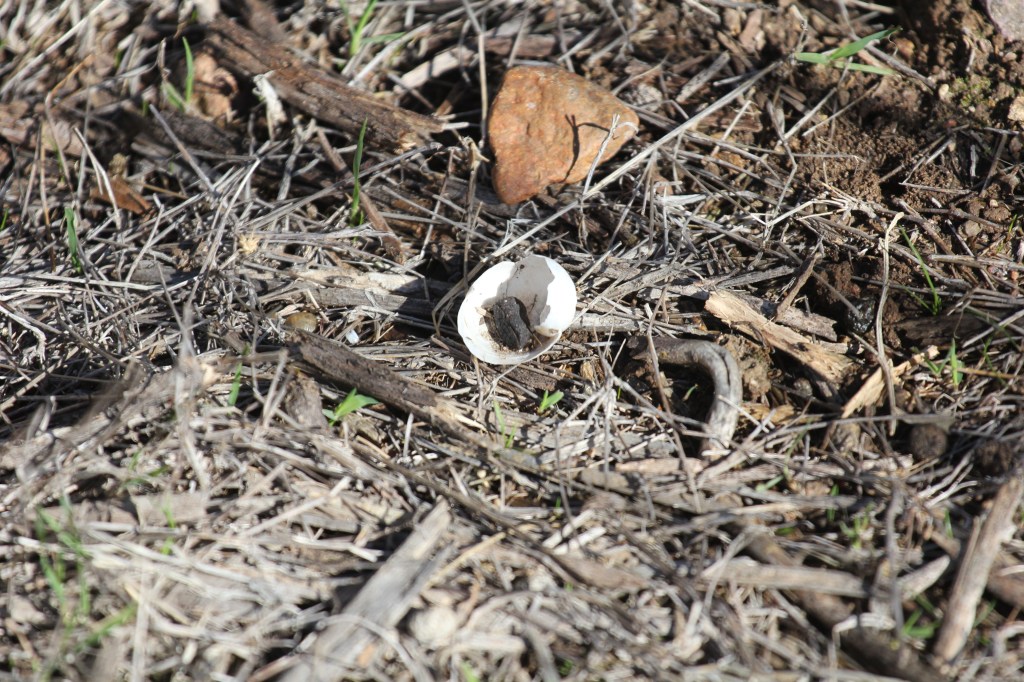
Empty eggshell.

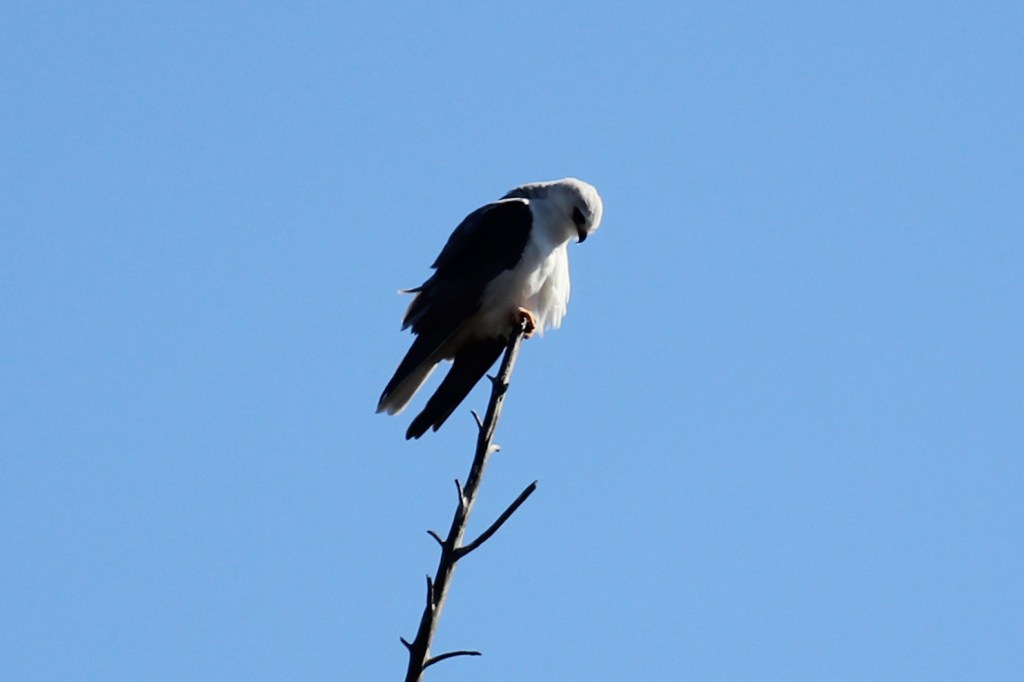
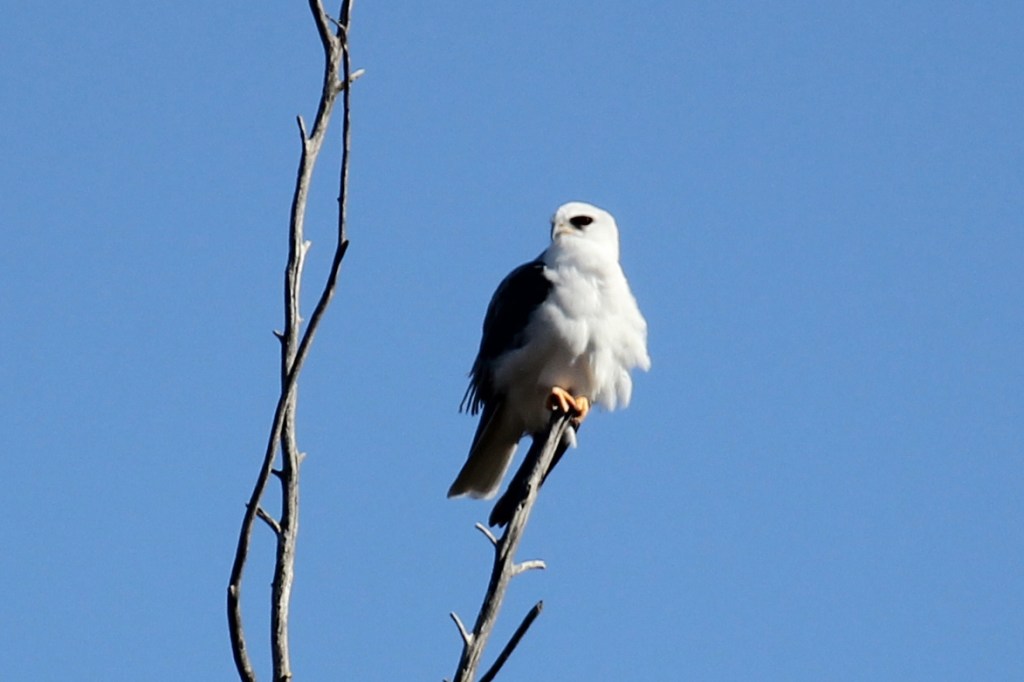
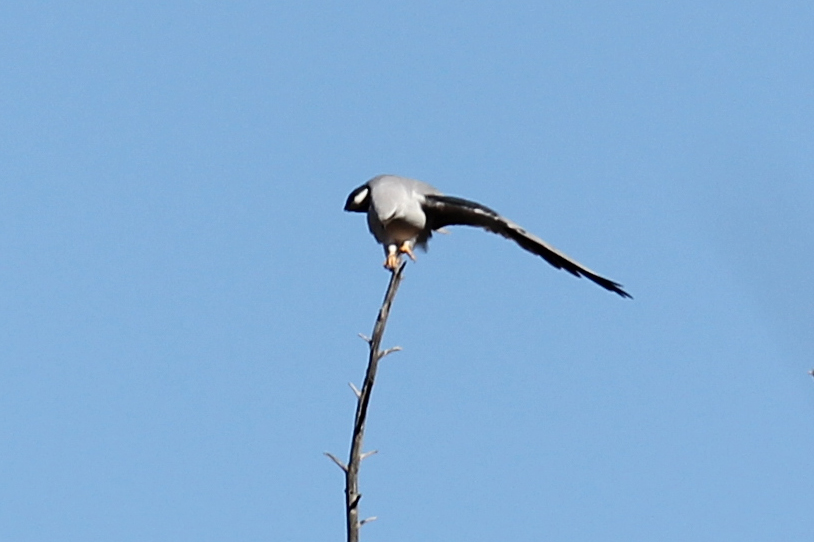
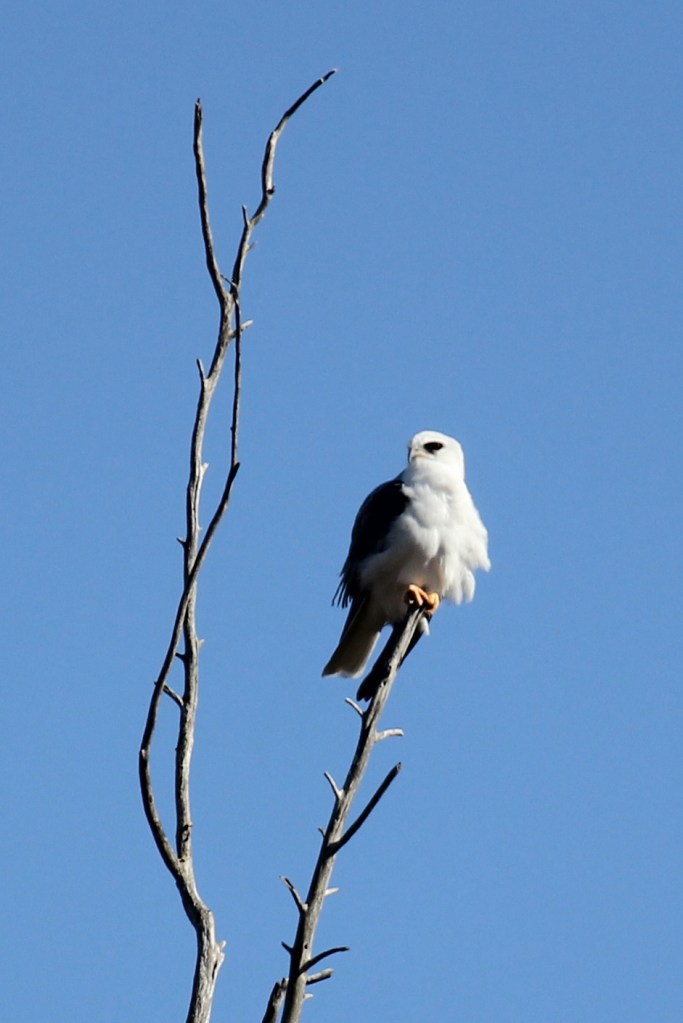
I’ve been talking about a bird at the Raptor Ridge Trail that I thought was a Kite…where we were today is about 12 miles from there, so not the same bird, but we were treated to this small raptor!

White-Tailed Kite

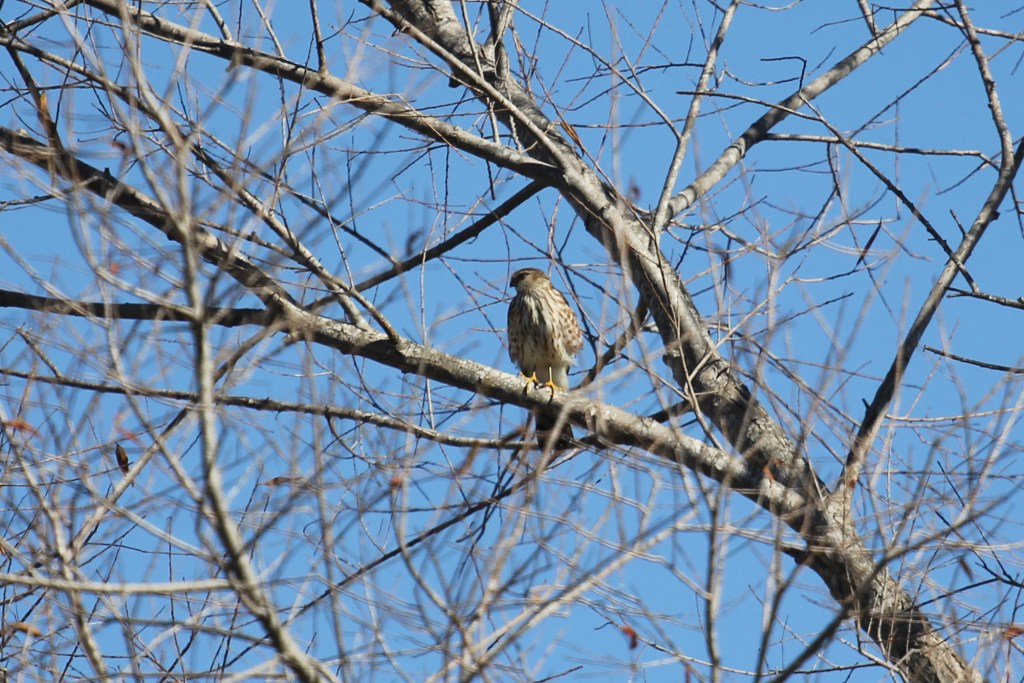
Very close to the tree with the Kite, sat this hawk.

And another on our way out:

Red Shouldered Hawk

We must have looked like bird nerds because a cyclist rode by and told us he’d just seen a Road Runner off the trail, “In case you were looking for it.” We hung around the area a bit, but had missed it. I guess the shorts can only do so much.

Also seen today: White-Crowned Sparrow, Cassin’s or Western Kingbird, Black Phoebe, California Towhee, Bushtits (we think) and several others we didn’t capture on camera.

Please let us know if you think we mislabeled anything!

-Blair

6-Mile Cypress Slough

It wasn’t all about birds today. Thought you’d enjoy joining us for the whole adventure.

~ Paul and Julie

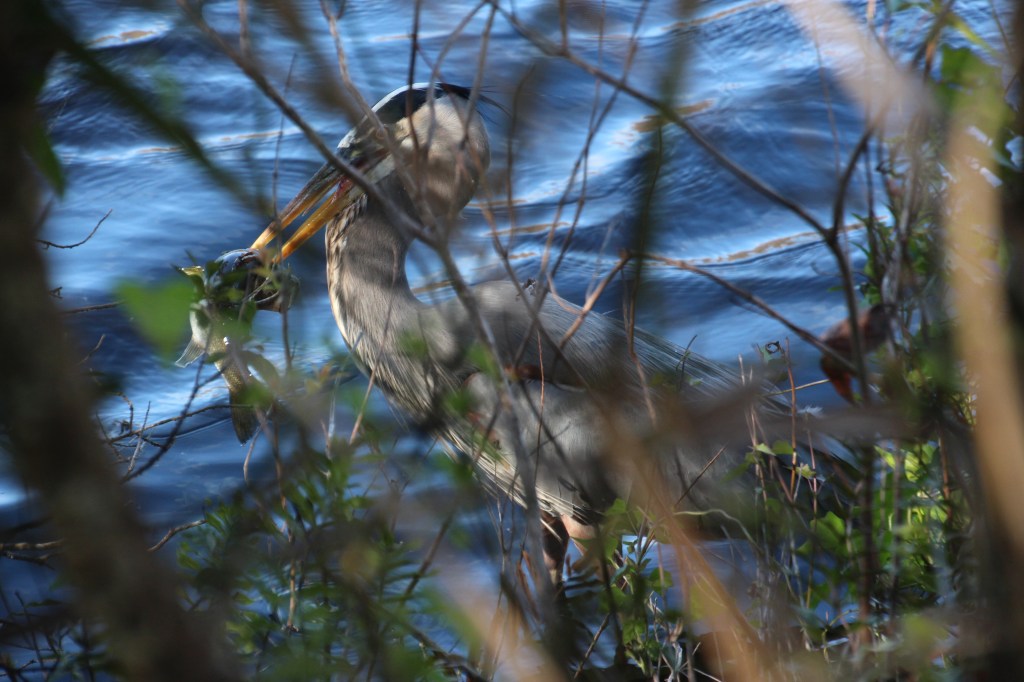
Didn’t see him initially, but heard a big splash. Vegetation partially obscures this Great Blue Heron. Look closely and you can see what he’s having for lunch…

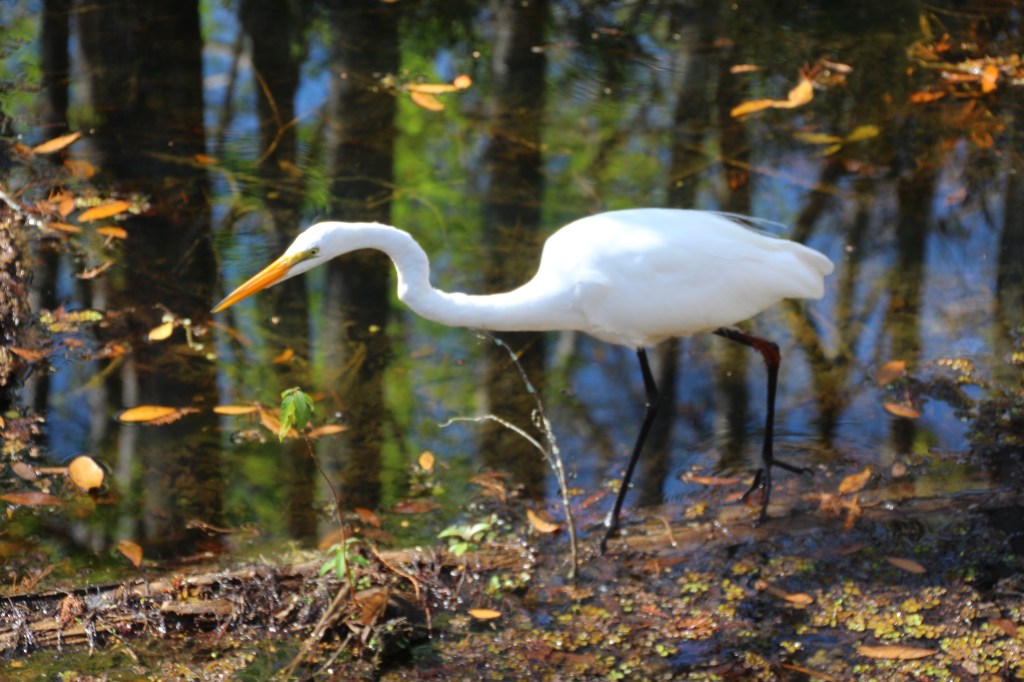
Another Great White Heron. Commonplace in these parts. Tree nests in colonies close to water.

Anhinga, or “snake bird”. The origin of the name is apparent when swimming: only the head and neck appears above the water so the bird looks like a snake ready to strike. The anhinga does not have waterproof feathers so feathers get soaked upon immersion in water. Their dense bones and wetted plumage allows them to fully submerge and search for underwater prey. The anhinga can’t fly with wet wings. In the picture below, you can see the anhinga standing with wings fanned open to dry its feathers and absorb heat from the sun. After a few minutes in the warm Florida sun, it can once again fly…

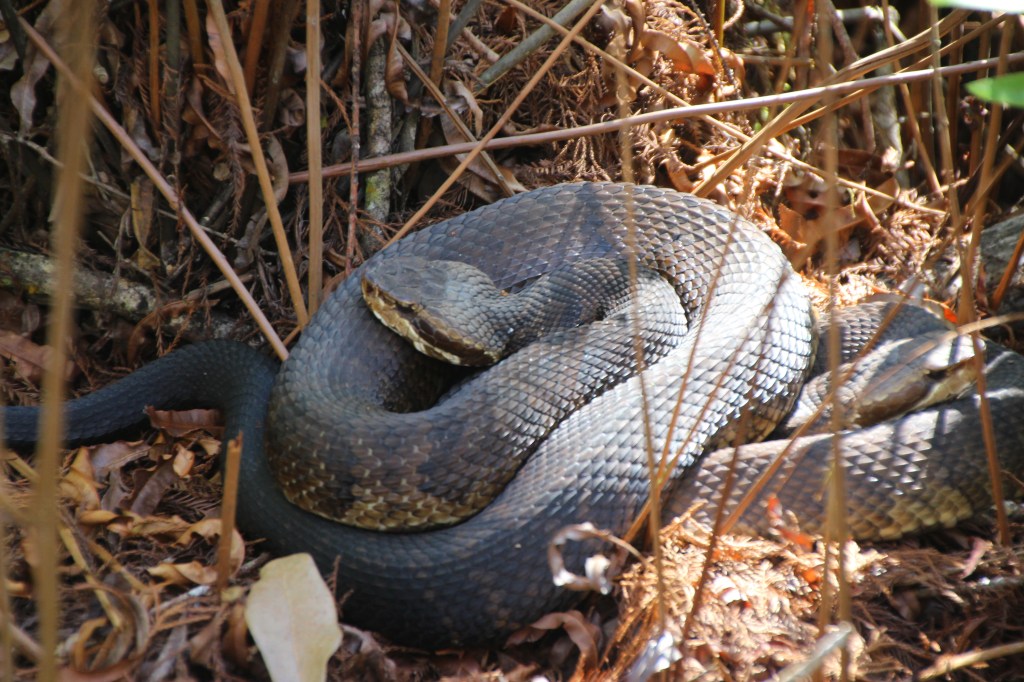
Another inhabitant of the Slough – the Cottonmouth (Water Moccasin). One of 21 venomous snakes in the US. It can deliver a painful and potentially fatal bite! Look closely and you can actually see two of these pit vipers!!

Any walk through the slough wouldn’t be complete without spotting one of these guys…

Better Late Than Never

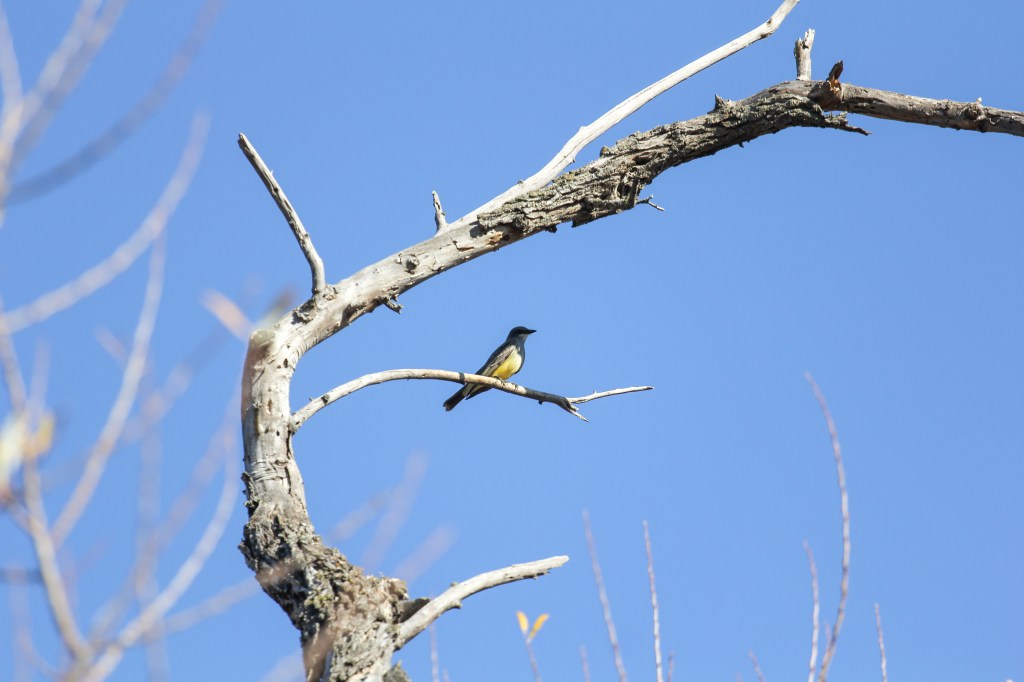
It’s BigYearFamily Week # 4 . On 1/21 and using a 2003 edition of Day Hikes Around Ventura County we were enroute to the Tar Creek Trail out of Fillmore. Looking forward to birding/slow hiking in the Sespe Condor Sanctuary we were dismayed to encounter a NO Entry posting about 5 miles for the supposed trailhead. Plan B became a late start on the Santa Paul Canyon trail which begins beside the campus of Saint Thomas Aquinas College between Santa Paula and Ojai. The only 2021 First Bird of the day turned out to be an American Robin, a beauty I have rarely recognized since moving to California but saw them all the time in our backyards in Ontario and Quebec. We enjoyed many tiny yellow throated birds in the trees. I don’t name them here because back at home later enjoying Dean’s “best” pics of the week pictures of 3 different little birds with yellow “somethings” appeared on the screen before me. Damned if I could name any of them despite having seen them many times before AND Dean naming them for me. A Common Yellowthroat? A Yellow-rumped Warbler? A Lesser Goldfinch? A Cassin’s Kingbird ? Maybe this will help??
Lynn

All things don’t always come to those who wait… sometimes serendipity works better

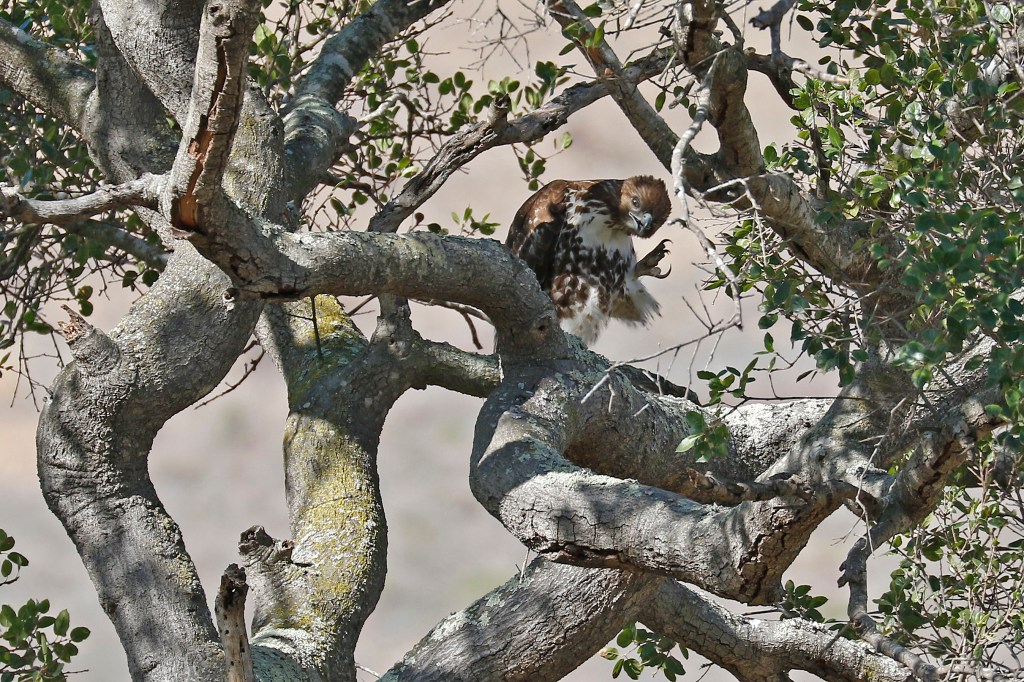
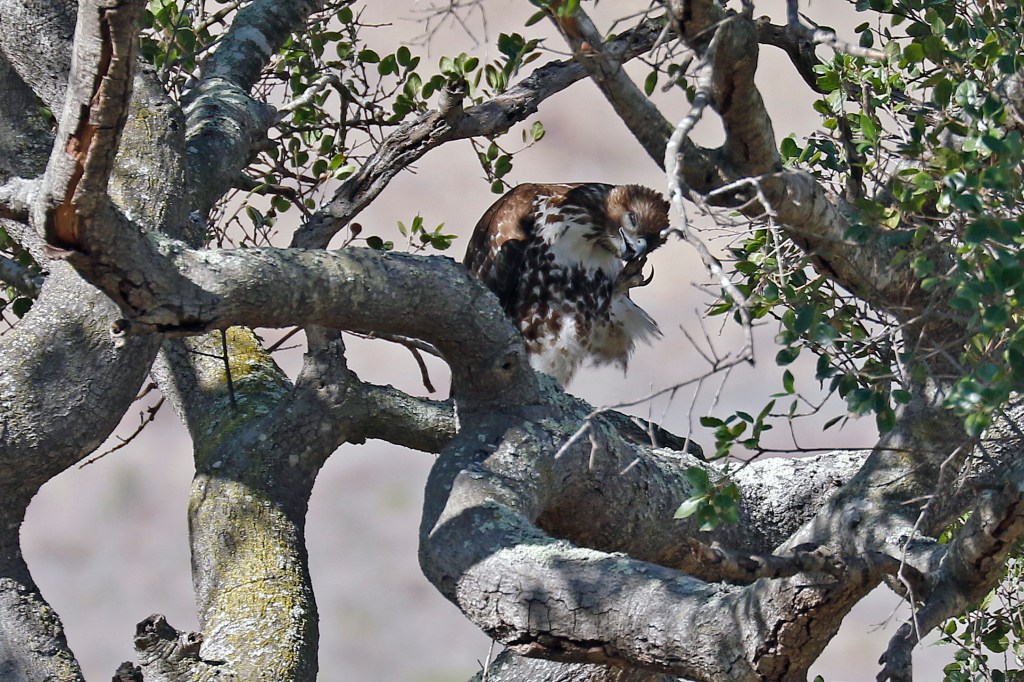
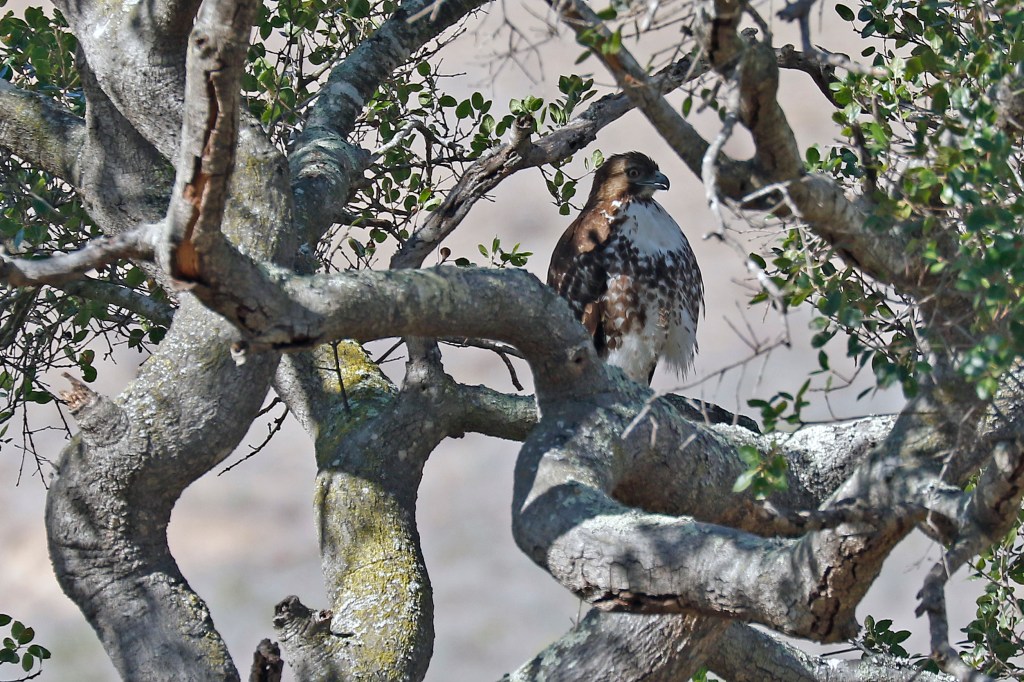
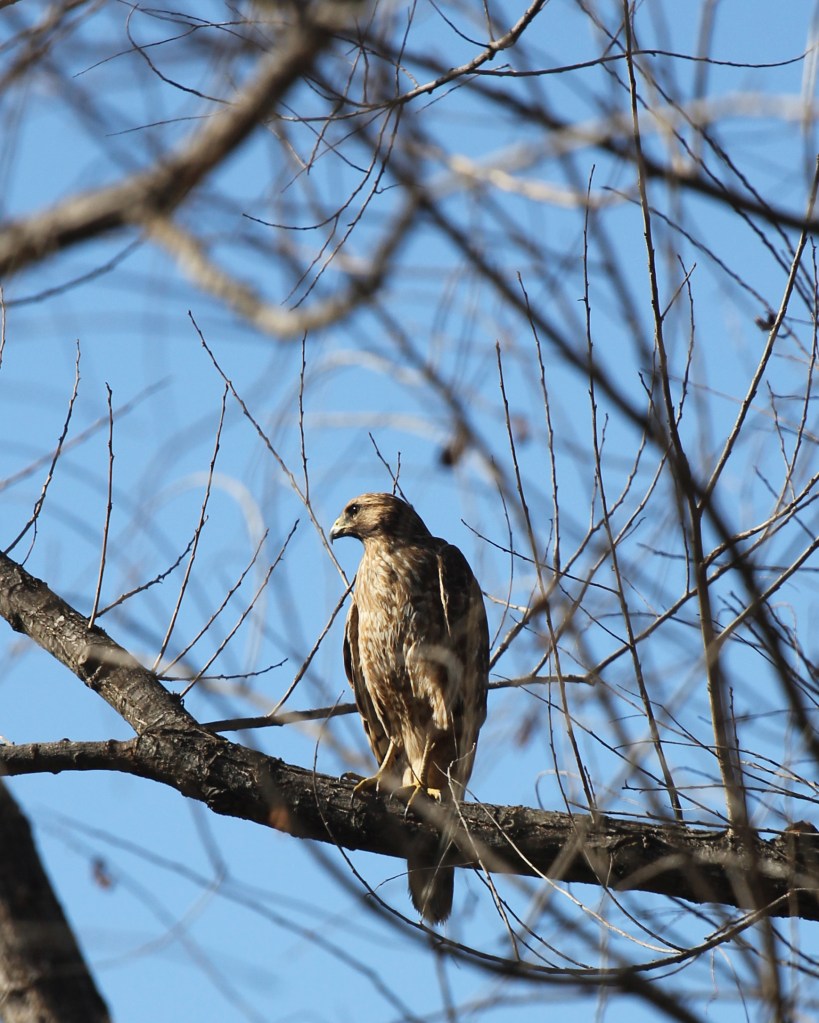
I was scanning the vast hillside stretching up to the southwest approximately 1.5 miles into Harmon Canyon Preserve, looking for the hawk that was calling continually. It couldn’t be more than 100 yards away. No luck. Couldn’t see it. I persisted for about 15 minutes. The calls continued, couldn’t see it. I reluctantly continued walking the trail. About three minutes later I turned a corner heading down a path into another side canyon and what appears over my left shoulder but a hawk silently swooping in my direction and landing in a tree at eye-level not far away. It was quite comfortable there, had an itch to scratch, and I was able to take several photos. It was still there as I departed, an unusual event for me to leave such a magnificent bird before it leaves me. Maybe this one had waited a long time to observe a slow moving biped.

Dean
Tamron is on

Sure enough, the motor in my lens was defective. Tamron repaired it and we’re ready to ‘get after it!’

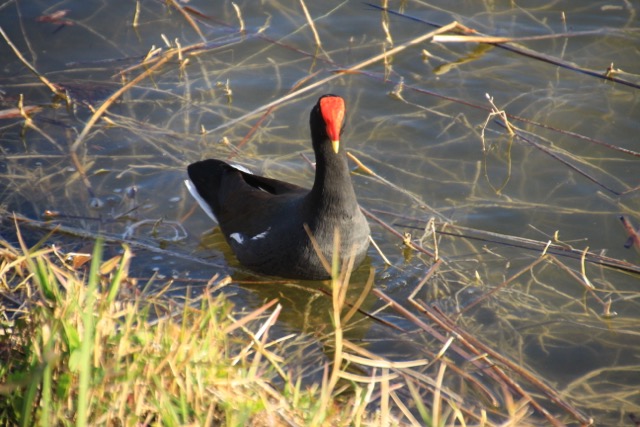
Common Gallinule (Marsh Hen). Lakes Park, Fort Myers, Florida 1-21-‘21.

Long toes allows it to walk on soft mud or floating vegetation.

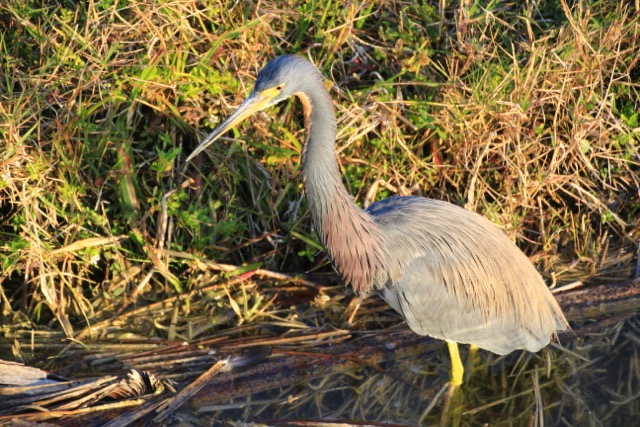
Tricolored Heron. Lakes Park Fort Myers, Florida 1-21-‘21

Big shorebird with a mixture of reddish-brown, blue-gray and lavender plumage.

Great Egret. Lakes Park, Fort Myers, Florida 1-21-‘21.

Egrets wade and stop. They stand motionless for long periods, waiting for unsuspecting prey to move their way…

-Paul

Too Close to the Nest?

We learned a lesson in birding over the weekend: prepare to be disappointed if you leave the door with a goal in mind! Two new birds seemed like a conservative target, especially with a long stretch of Saturday ahead of us. We definitely enjoyed our outing, but it ended up being just the usual suspects in our backyard at Raptor Ridge–all on our identified list. Below are some pictures for everyone to enjoy.

Next weekend, we’re preparing to spread our wings a little bit and see what the San Elijo Lagoon has to offer.
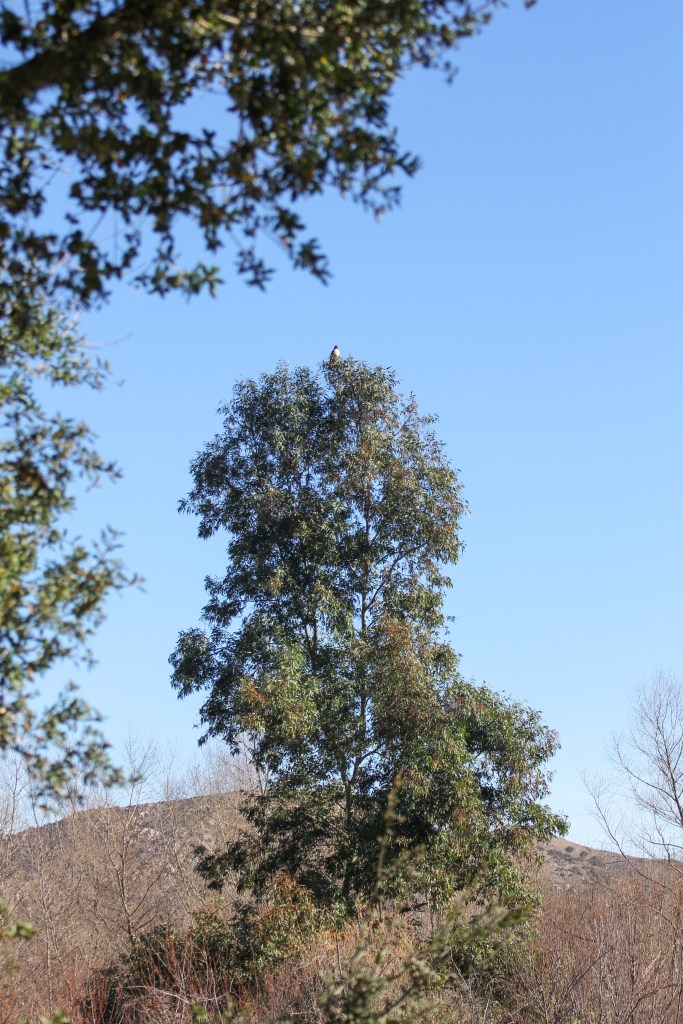
Same tree, same red-tailed hawk Blair captured before (we think).

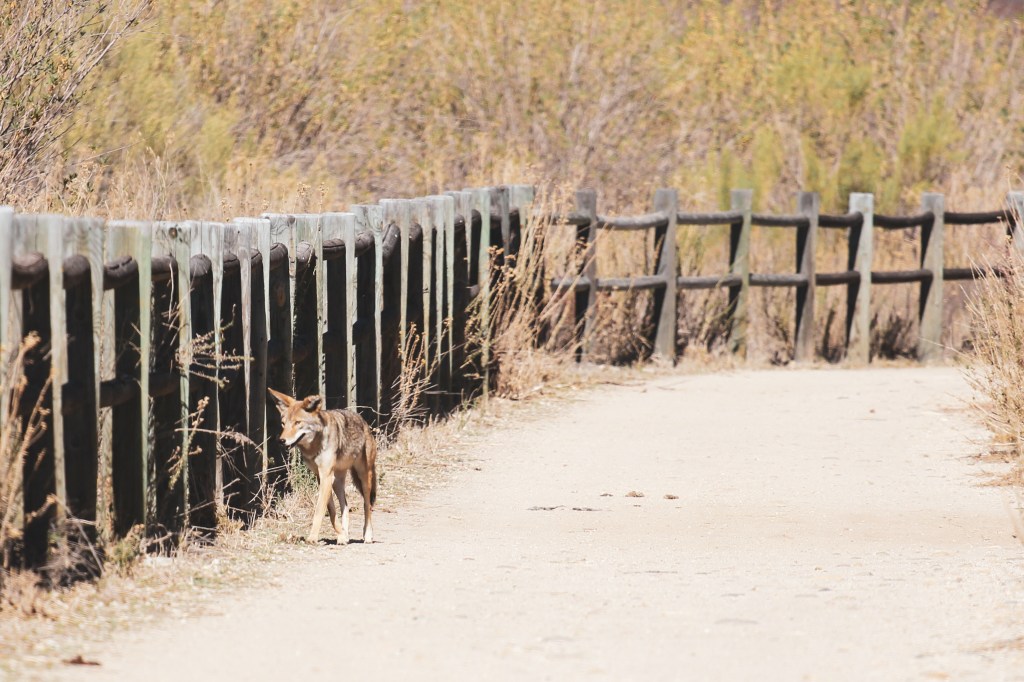
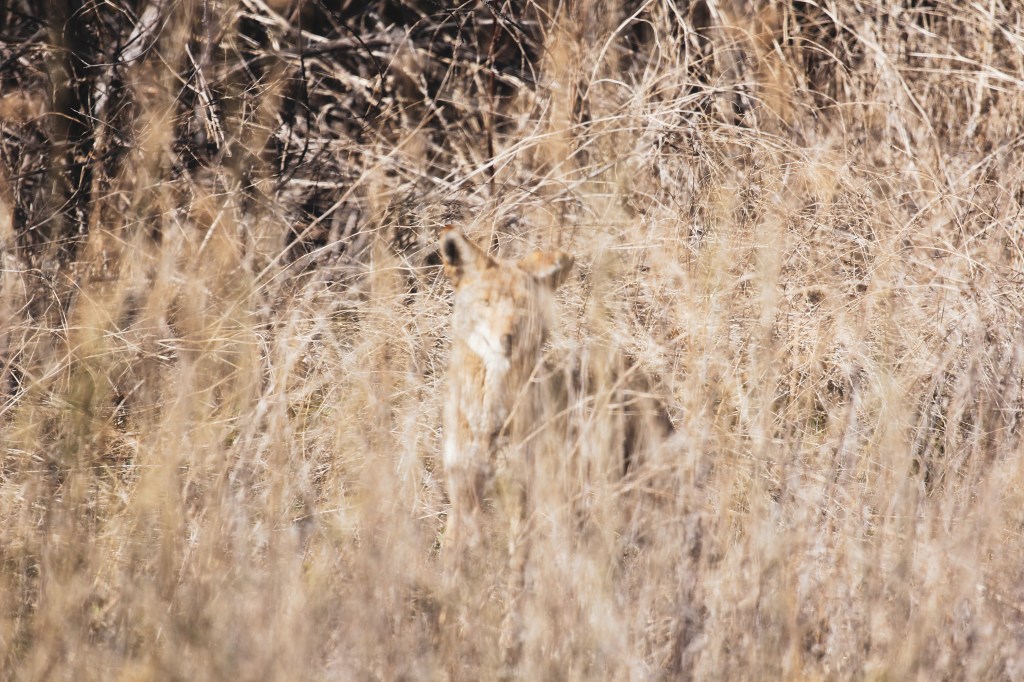
Our Coyote friend was out again after a late night.

Perhaps he’d eaten all the rare birds.

Seems like this little burrow might be worth coming back to at night–we had fun imagining an elf owl here.

California Towhee (extra perky one)

Debate continues…Northern Harrier (Peter) red shouldered hawk (everyone else)?

Cassin’s Kingbird

Also seen and photographed this day: Black Phoebe, House Finch, Yellow Rumped Warblers, 3-4 other hawks.

-Peter (Blair wants you to know she wasn’t too disappointed)

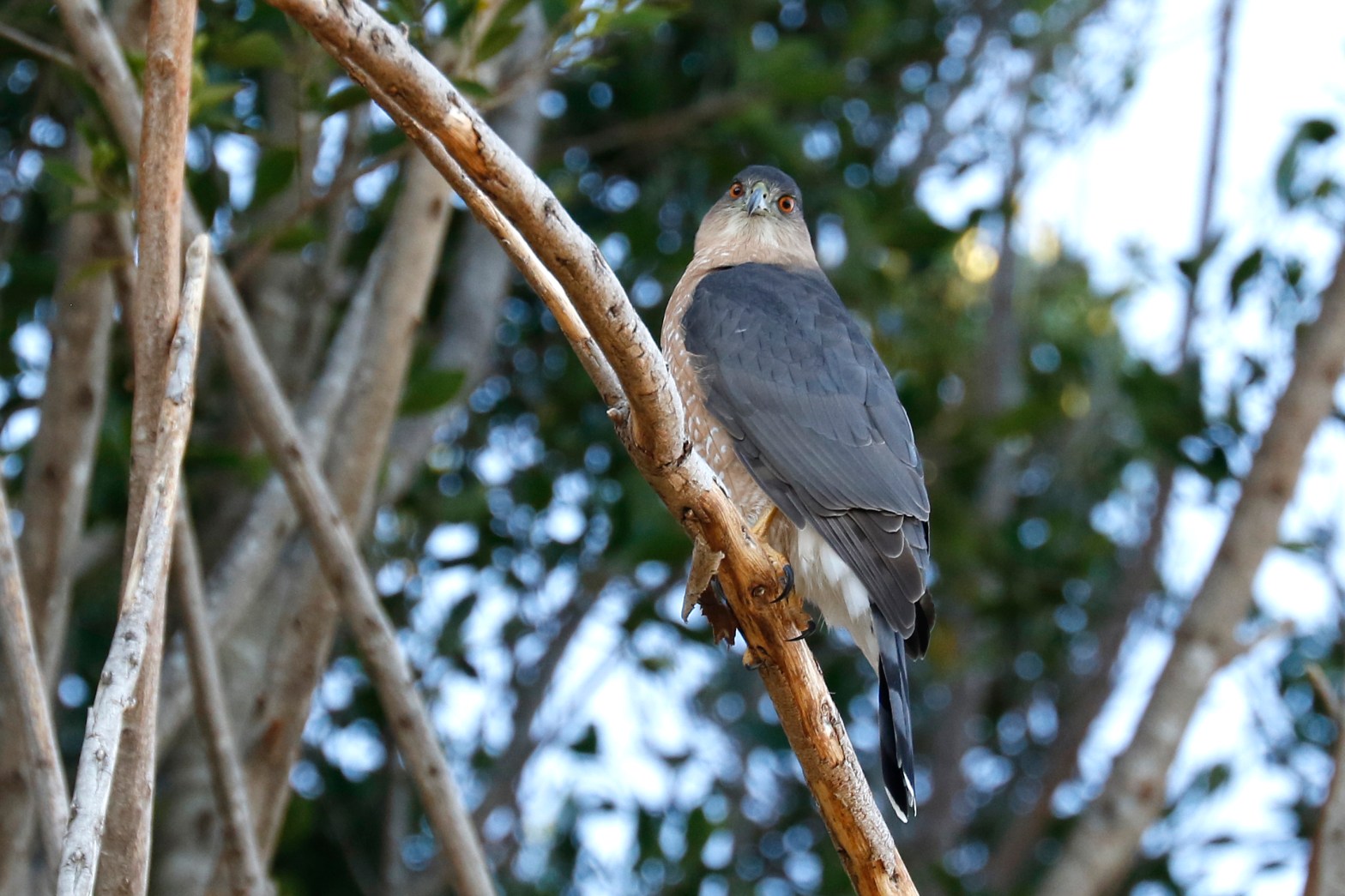
Cooper’s Return

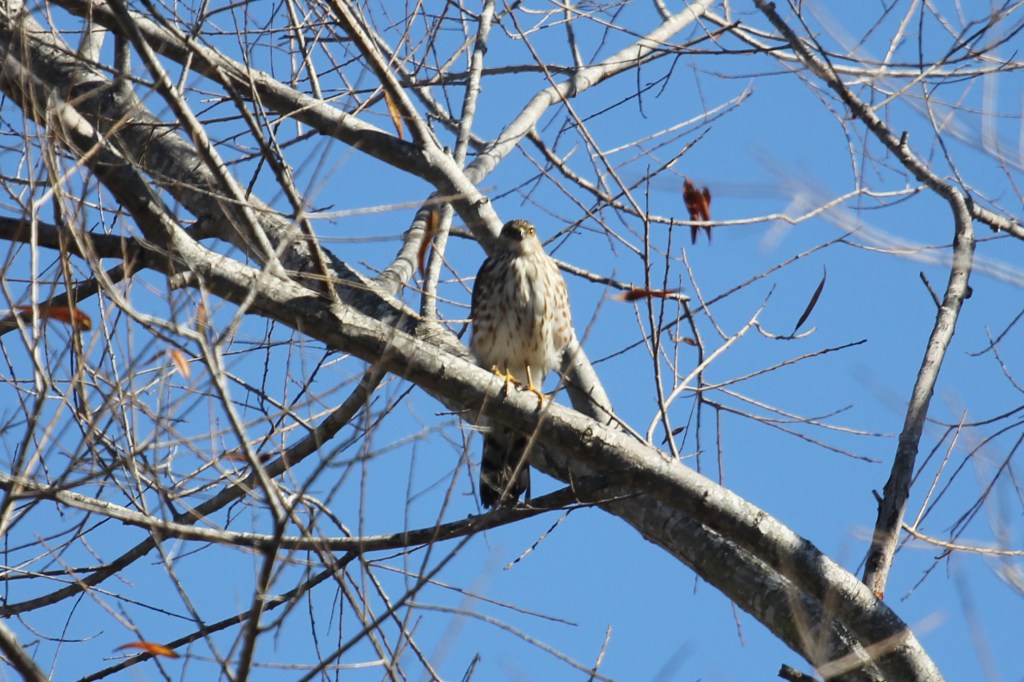
A couple months ago, while on a neighborhood walk, I was quite dismayed to find a roadside stump where a very grand tree had once been. That tree was where I had a magical Cooper’s hawk event last July (2020). It was not just a good photo op. While I was taking a photo, one of the juvenile Cooper’s hawks I had seen and heard there for weeks suddenly bolted from its perch above and dove almost straight at me at the base of the tree, circled the tree about head height twice, within six feet of me, and then swooped back to its perch. I actually believe it was chasing a large butterfly (or small bird), but perhaps it was finally annoyed with me and wanted me to get the hint. Seeing that tree gone broke my heart. There were two similar trees left on the same street corner, so I hoped maybe hawks would still visit.

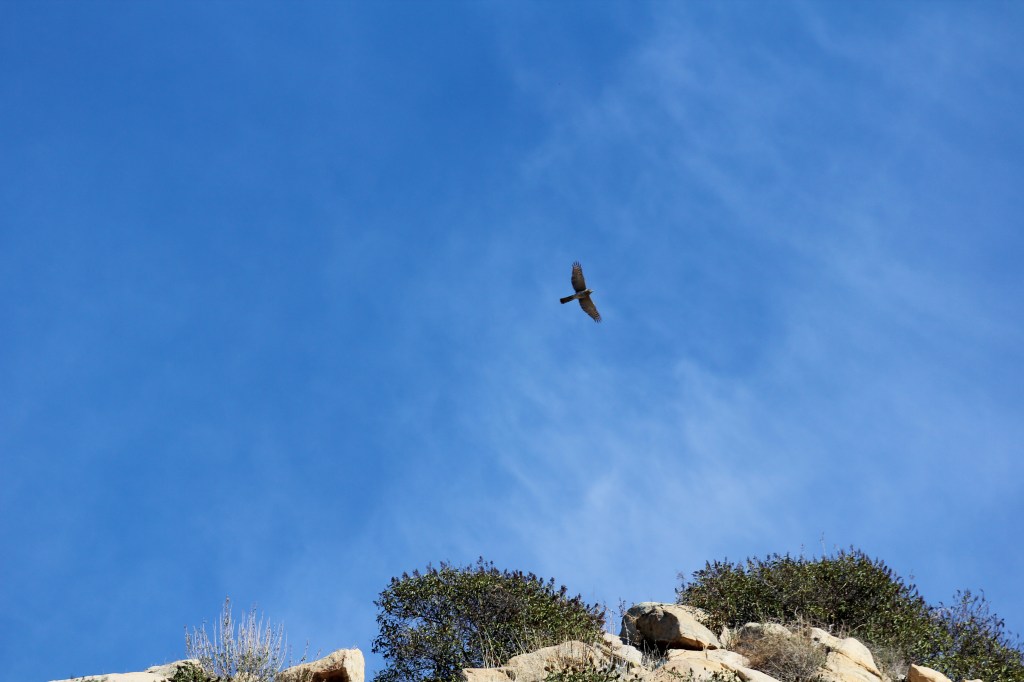
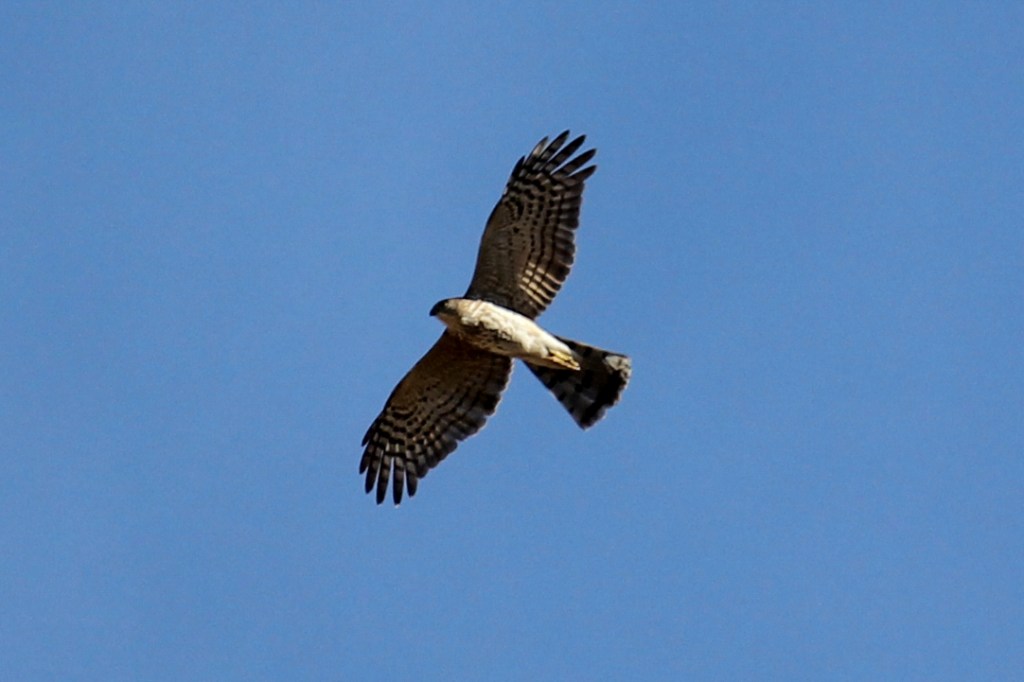
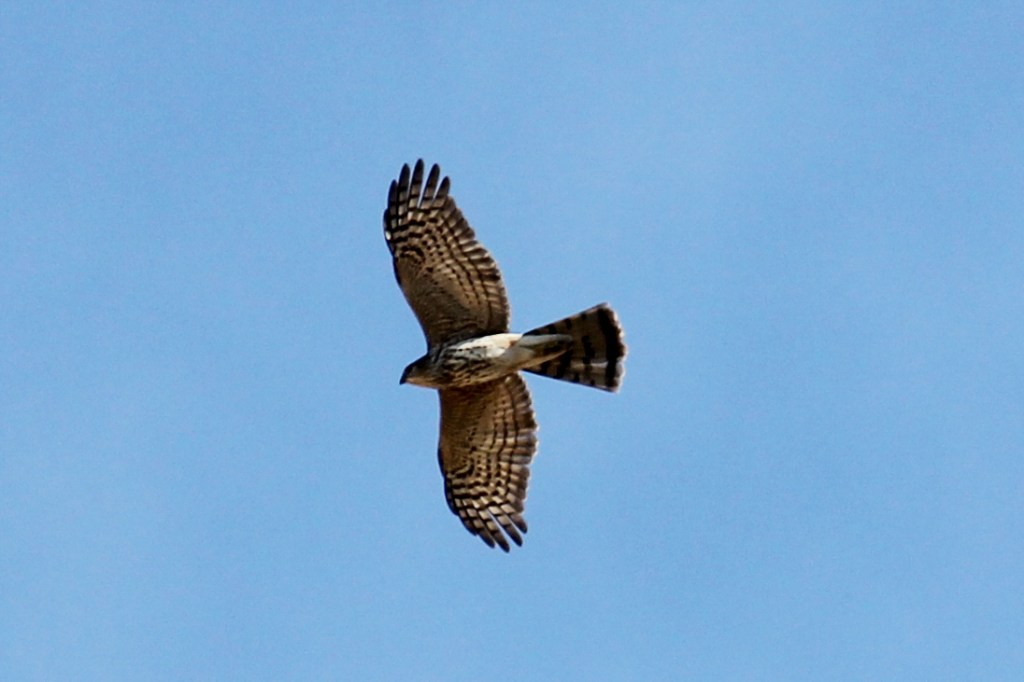
Yesterday I decided to return to that area for my walk (my Canon 7D MkII is almost always with me on walks now). I had seen some Cooper’s hawks in other local areas recently after several months absence. Shortly after rounding the corner and heading towards the two trees a bird swooped past me above on my right, heading straight for the closest of the two trees. It was an adult Cooper’s! Right on cue. Racing me to the tree. It landed on an outer limb of the tree, allowing me to catch up, and stayed there for quite a long time while it watched me take many pictures from several angles below. Normally, adult Cooper’s fly away from me the moment they get a sense I am lingering and watching them. Do you think this Cooper in adult plumage could be the grown up juvenile I “met” in July? That is the story I will go with.

Dean