Nesting Gila and the dark side of the House Sparrow

Guest post by Ed Dahlberg

I think I already sent one of these, but liked the one I got today of the one nesting in our cactus.
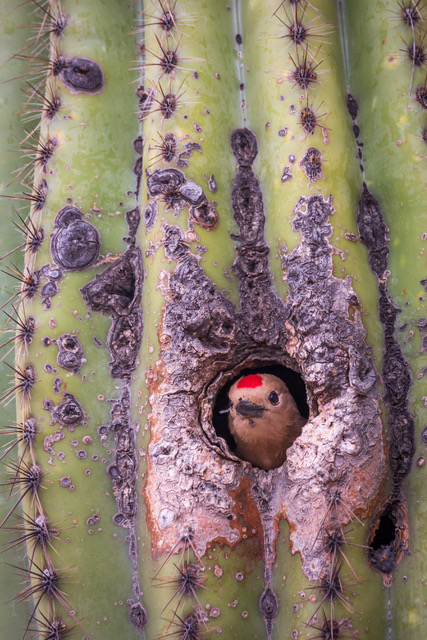
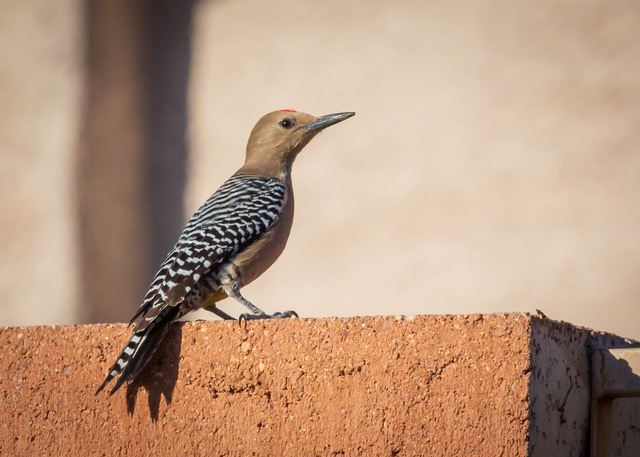
Gila Woodpecker
Black-Chinned Hummingbird

I believe this is a female Black-Chinned Hummingbird. Lots of florescent green!
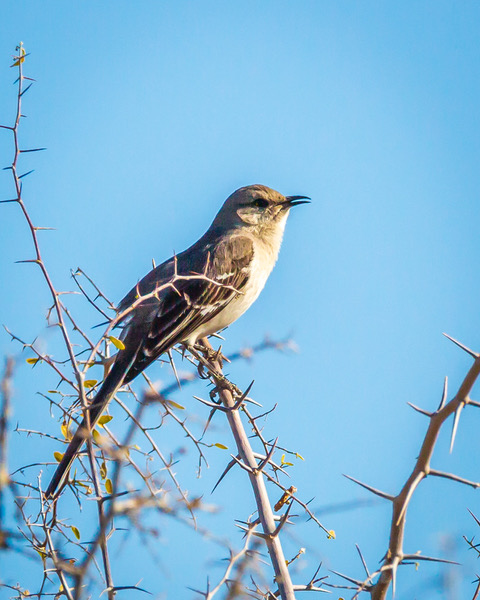
Northern Mockingbird

Struggled a little with the identification of this one but believe it to be a Northern Mockingbird.

House Sparrow

I had to force myself to take a picture of a House Sparrow. They’re an invasive species, introduced into Central Park from Europe. They’ve colonized all over the U.S. This shot is Arizona but see them all over Boise and MN as well. The issue with them is they are an aggressive bird that will kill the young of other birds to take over the nesting cavity.

😖

-Ed

Pyrrhuloxia & Phainopepla

Guest post by Ed Dahlberg

Pyrrhuloxia

Predominately located in the southwest year round, Pyrrhuloxia are a cousin of the Northern Cardinal. Said to be a rather secretive bird that hangs out in arid brush, thorn scrub and mesquite habitat.

Phainopepla (female)

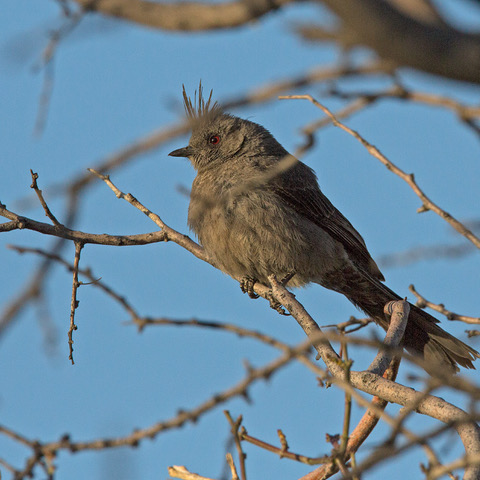
Interesting looking bird. The Phainopepla likes to nest in mistletoe and eats its berries, contributing to its spread. May be the only species to nest in two regions in the same nesting season, desert  in spring and then again in higher elevation. All this while they remain in the southwest. The male is black and female grey. Both have distinct orange eyes.

Phainopepla (male)

-Ed

Week of the Cactus Wren

On Wednesday, Peter and I were running our 8 mile loop before work and we heard some croaking. We stopped and followed the sound, finding a pair of Cactus Wrens sitting next to each other, singing on the top of a cactus. 

🌵

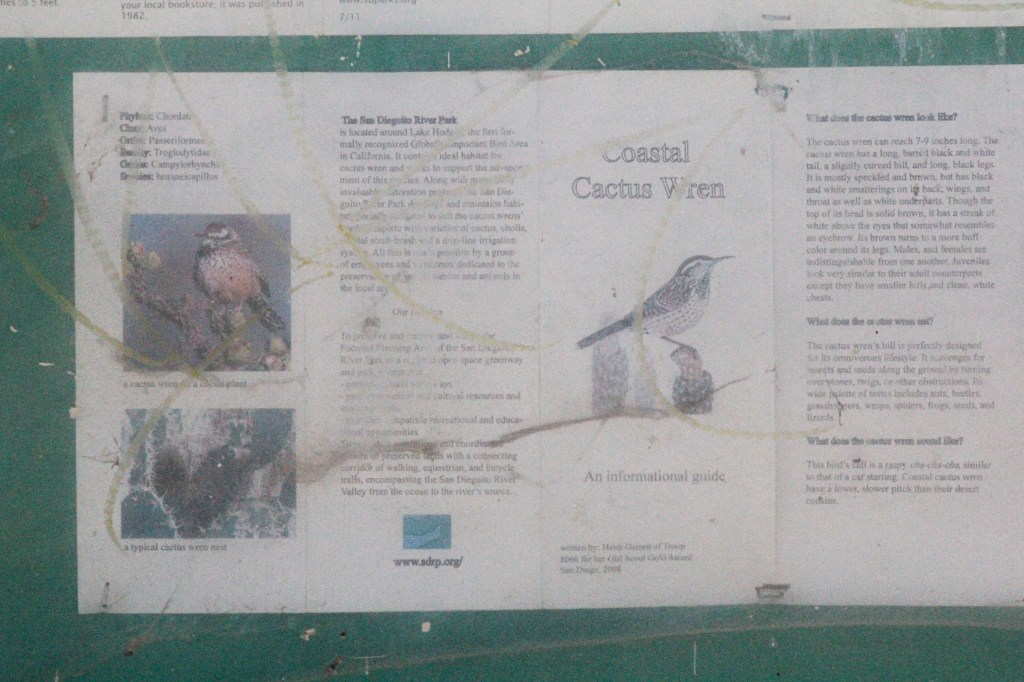
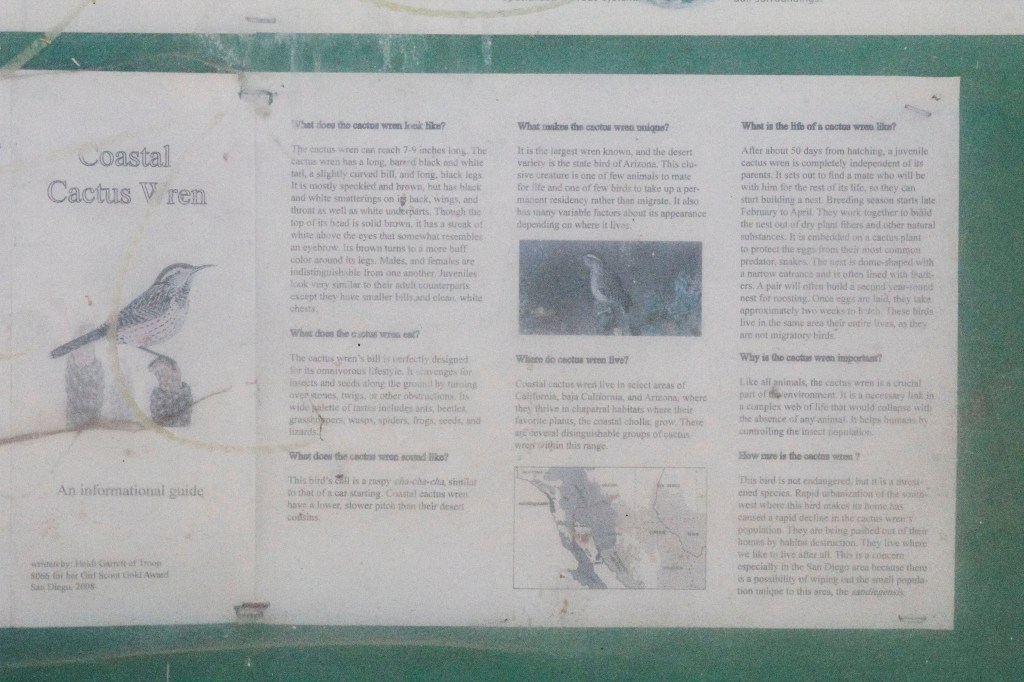
We’d seen this sign a few weeks earlier at a nearby trail and were on the lookout. The smaller Wrens are some of my very favorites, so I was eager to see this larger version.

We learned later that their song is described as a low krr-krrr-krr-krr, just the croak we heard.

The pair kept ruffling their feathers and snuggling up next to each other. Of course I didn’t have a camera…it would have been an epic shot! Something like my Dad’s Bluebirds. We’re planning a morning bike ride to the area in the coming weeks to wait for them.

Then, on Sunday, Ed Dahlberg sent over this!

Cactus Wren (Photo by Ed Dahlberg)

He said, “A pretty common bird in SE Arizona, this larger Wren is identified by its white eye strip and densely spotted breast.”

Now I’m satisfied until the next encounter – thanks, Ed!

-Blair

Costa’s hummingbird and more

Guest post by Ed Dahlberg

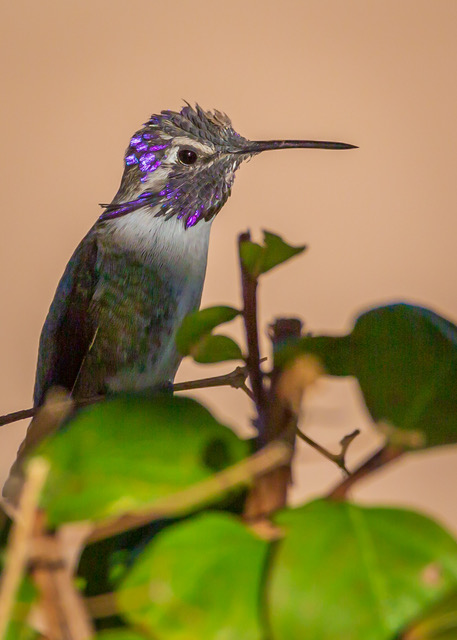
Costa’s Hummingbird

When the sun hits these little creatures, the male’s head is brilliant purple as partially seen in the one photo. He also has a ‘mustache’ which does the same!

Costa’s Hummingbird
Gila Woodpecker

We’ve got a pair of these nesting in the Saguaro Cactus in the front yard. Noisy!

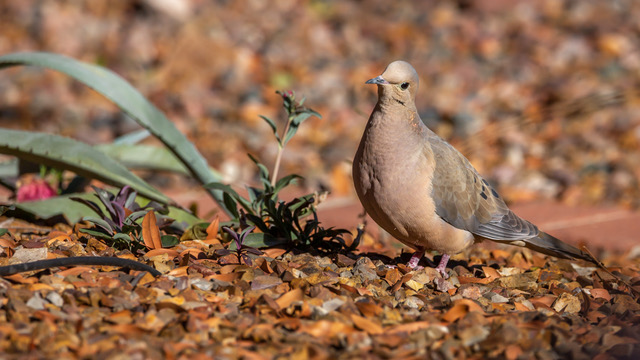
The very common Mourning Dove. Lot’s of folks travel to Mexico to fulfill their hunting pleasure. We have several pairs in Boise in the summer as well.

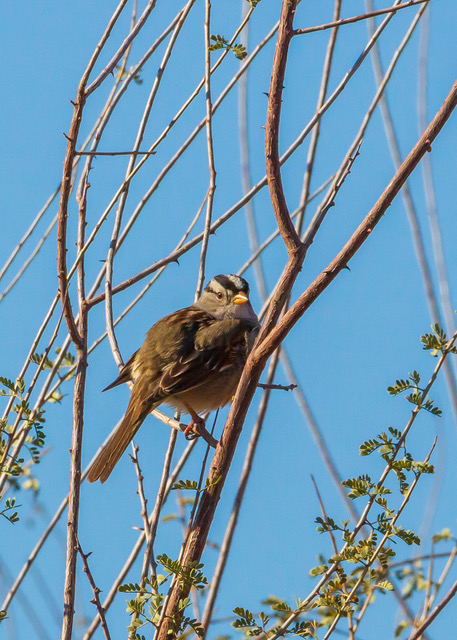
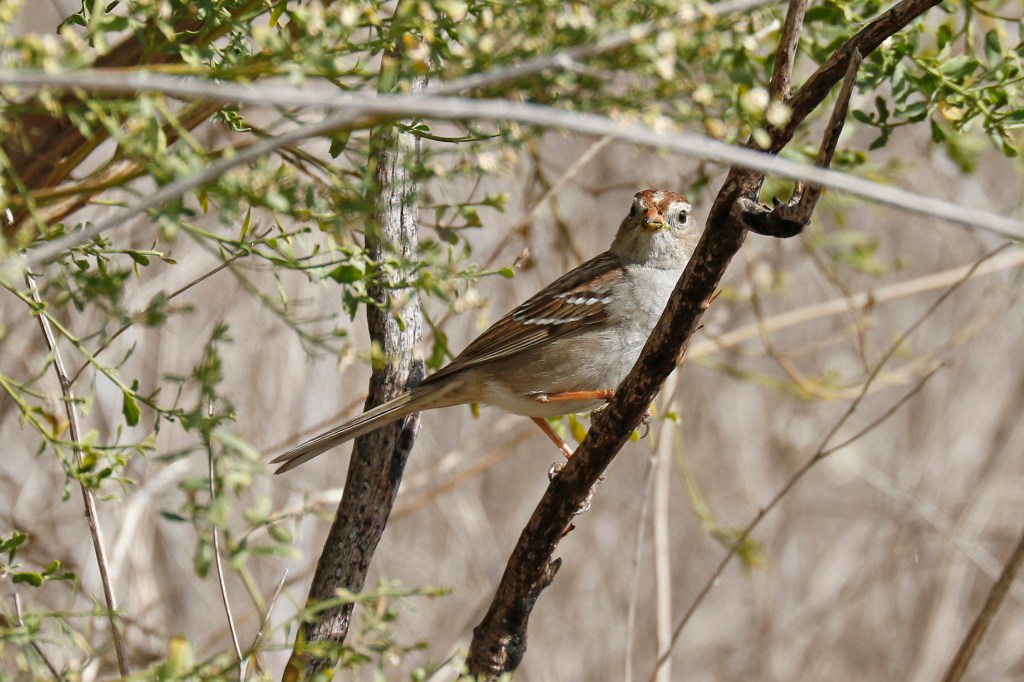
White-Crowned Sparrow

This is likely the Gambel’s race as it is the only one commonly seen in this area in the winter months.

-Ed

THIS. “WEEK”. IN… PIGEONS… IN… THE.. NEWWWWS!!!

I caught this lovely Goldfinch a few days before my Godfather. But, being of lazy character (unlike my Godfather) I failed to make mention of it until now. 

Speaking Ornithologically (as he does) I note only that the Minnesota Goldfinches are of a superior breed that time of year than their lowly Idahoan brethren – as the hardy plumage clearly indicates.

Speaking of brothers, this wider pan-out brings Peter’s unique sense of humor to mind.

As a person of generally indigent personality, it will not surprise you to hear from me that time has passed.

For a time I had thought that that greedy woodpecker was running me out of seed. But then it came to be known that the Oak Rats had figured me out.
I will not dignify their pestilence In Digitum but will say with certainty that thoughts of murder have come across my mind.

Today – a welcomed arrival!

Who could not enjoy a March thaw like this?

And… as nautical twilight turned into night, the long-awaited moment: The Bards stir afresh.

Stay tuned and wish me luck! 
(Happy birding…)

– Jason

Stumped by shorebirds

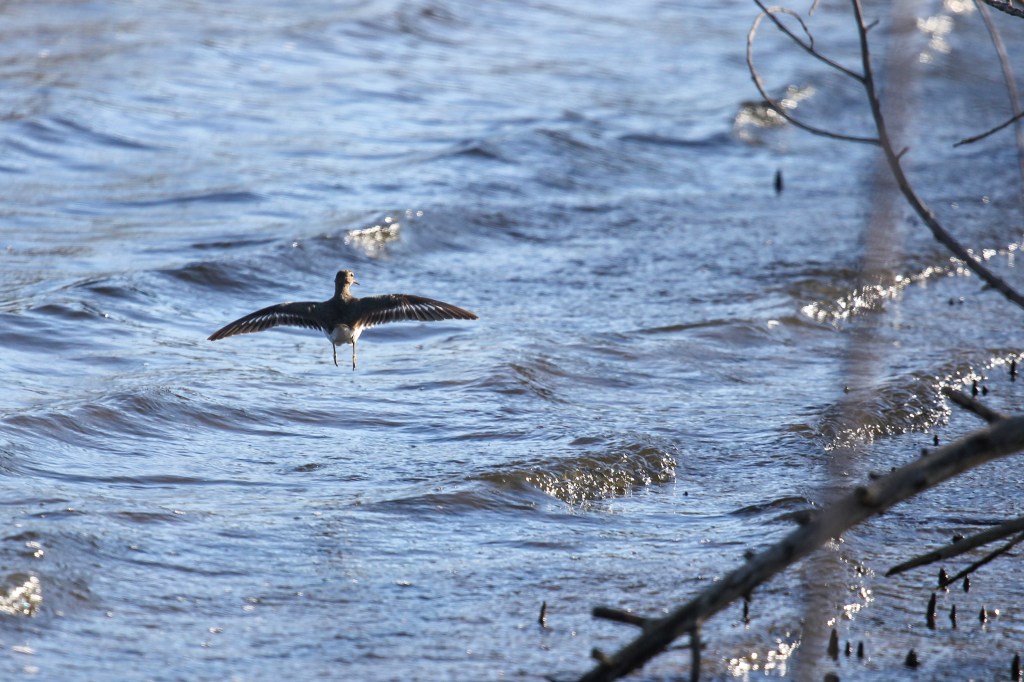
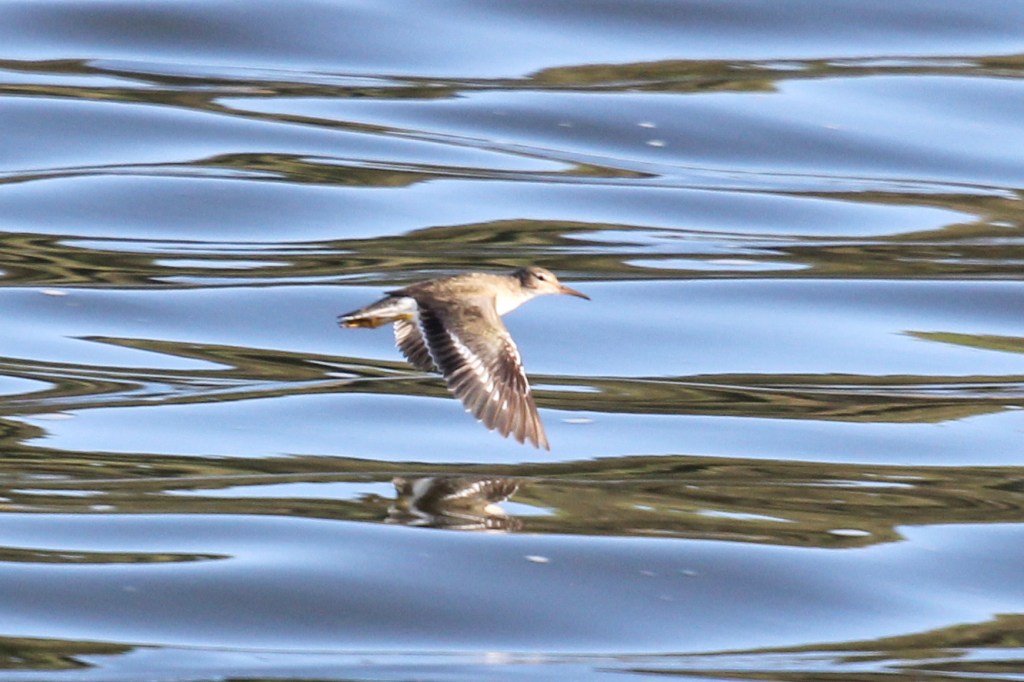
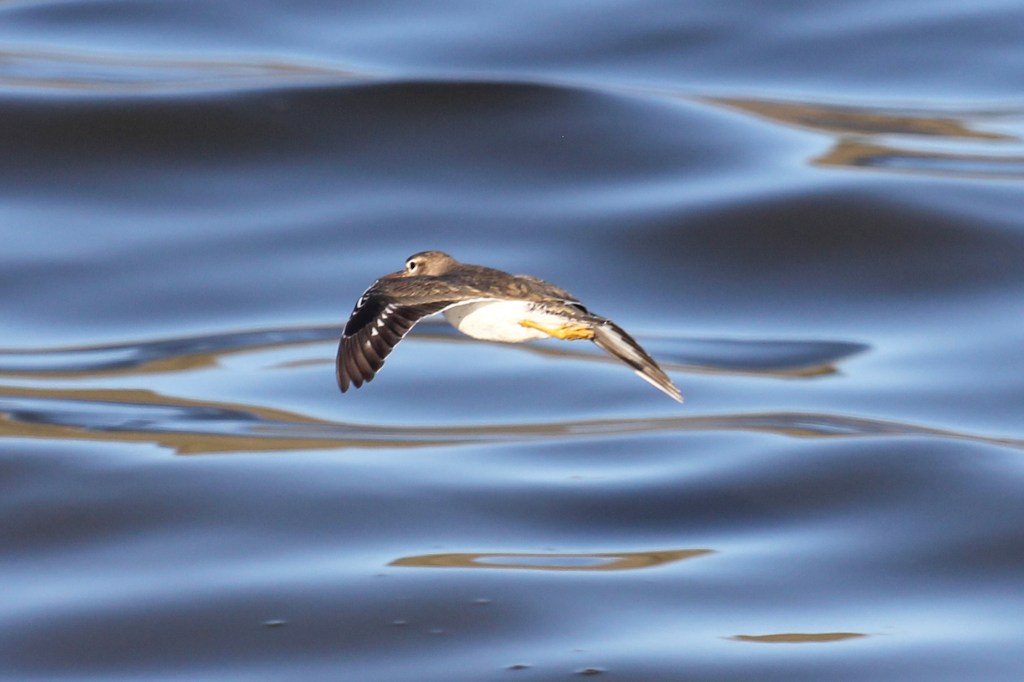
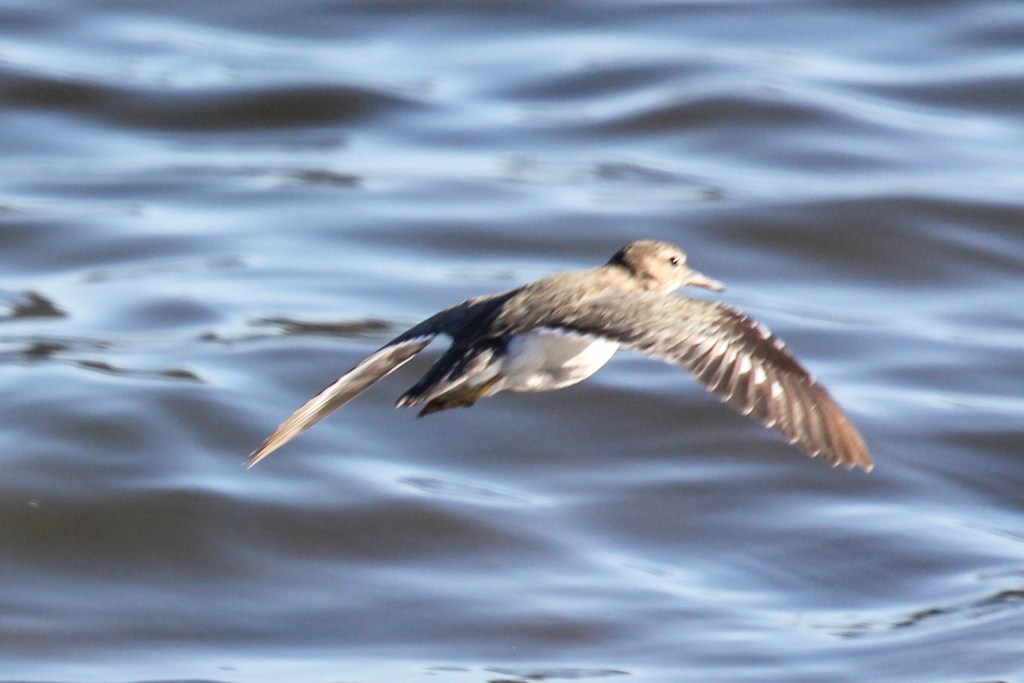
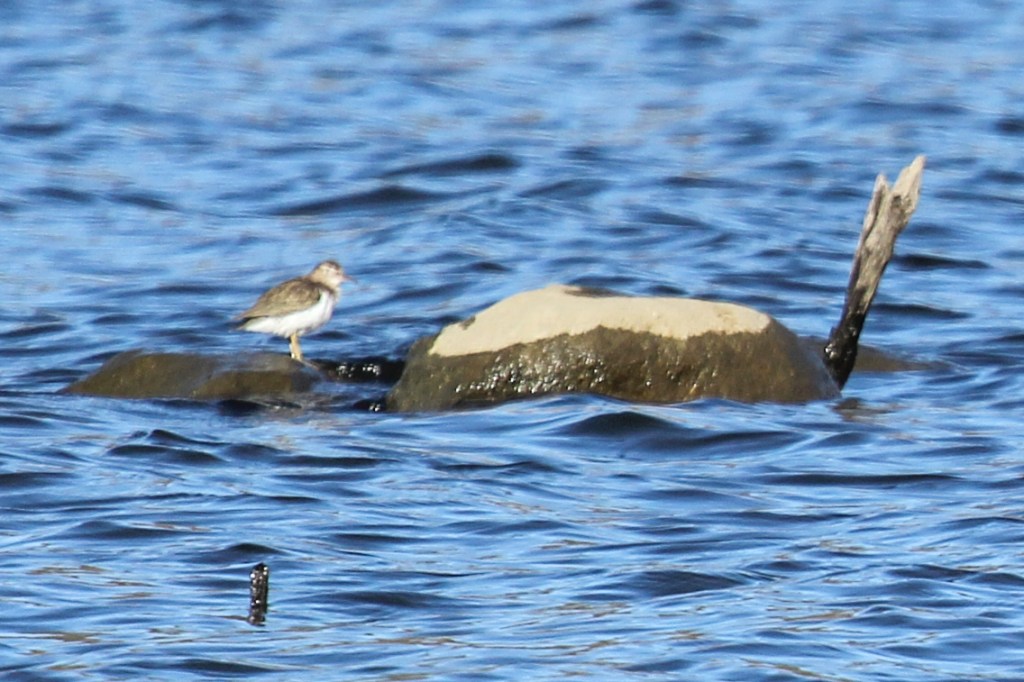
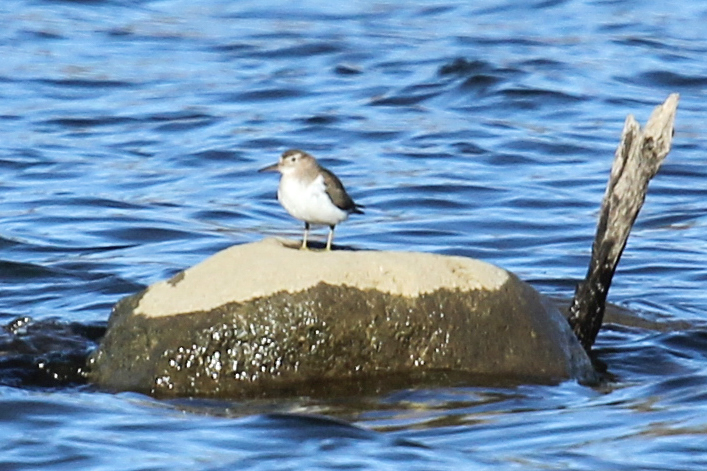
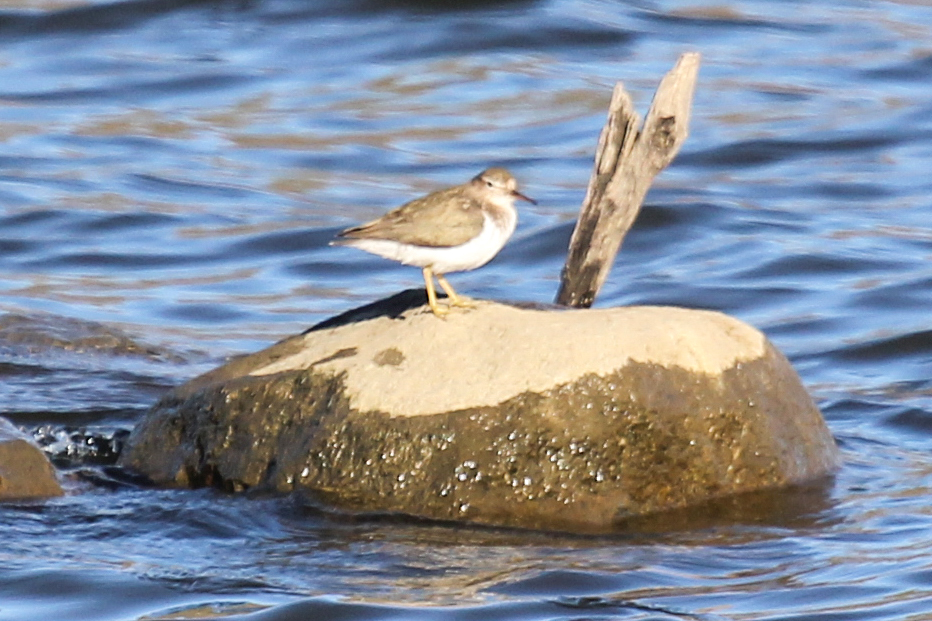
We took a short walk on a new shore of Lake Hodges today and would love help IDing this bird. It’s very small, with rapid bat-like flight along the water. It seems to have a longer neck than most sandpipers I’m looking at. Closest seems to be the Least Sandpiper, but this bird seems to have a whiter chest, more solid head coloring, and straighter (less of a “V”) white pattern on the top of spread wings.

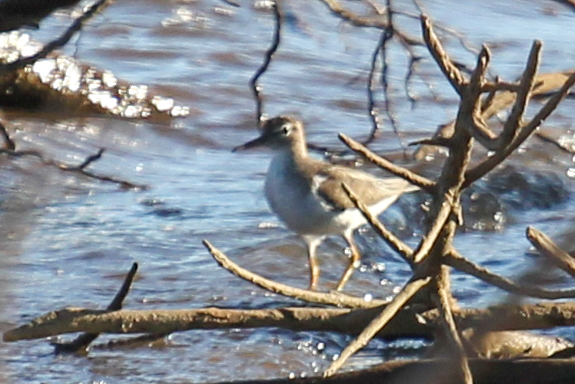
Also not sure about this one…Next to the Coot for scale, initially I thought this one was about twice the size of the bird above, but after looking more I think it might be a different bird of the same species. In these the neck looks shorter.

I am always impressed by the diversity:

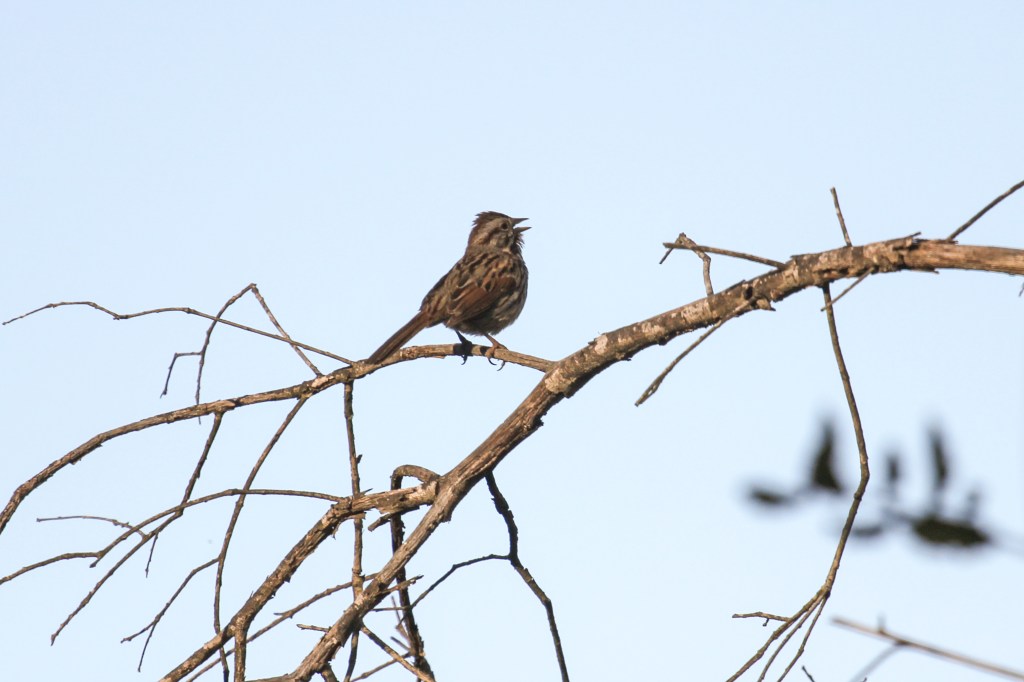
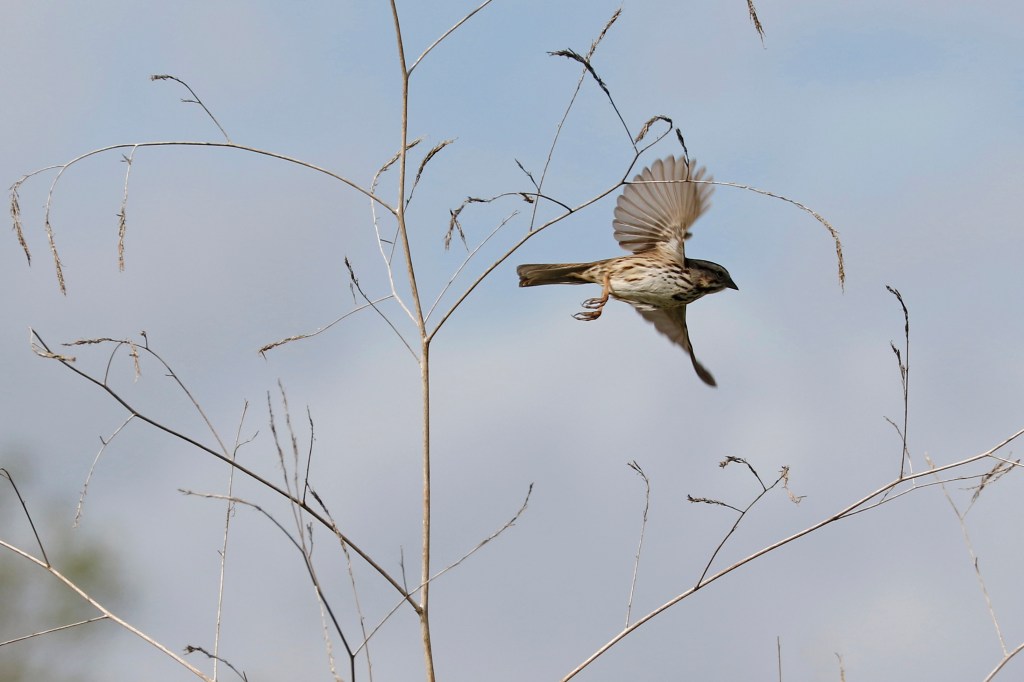
Song Sparrow
Yellow-Rumped Warblers
Mallard
Great Egret

Not pictured here, but also seen: Red-tailed Hawk, both Grebes, American Widgeon, Cassin’s Kingbird, Black Phoebe, Northern Mockingbird, White-Crowned Sparrow, California Towhee, Hummingbird.

-Blair

Priceless Pinnacles

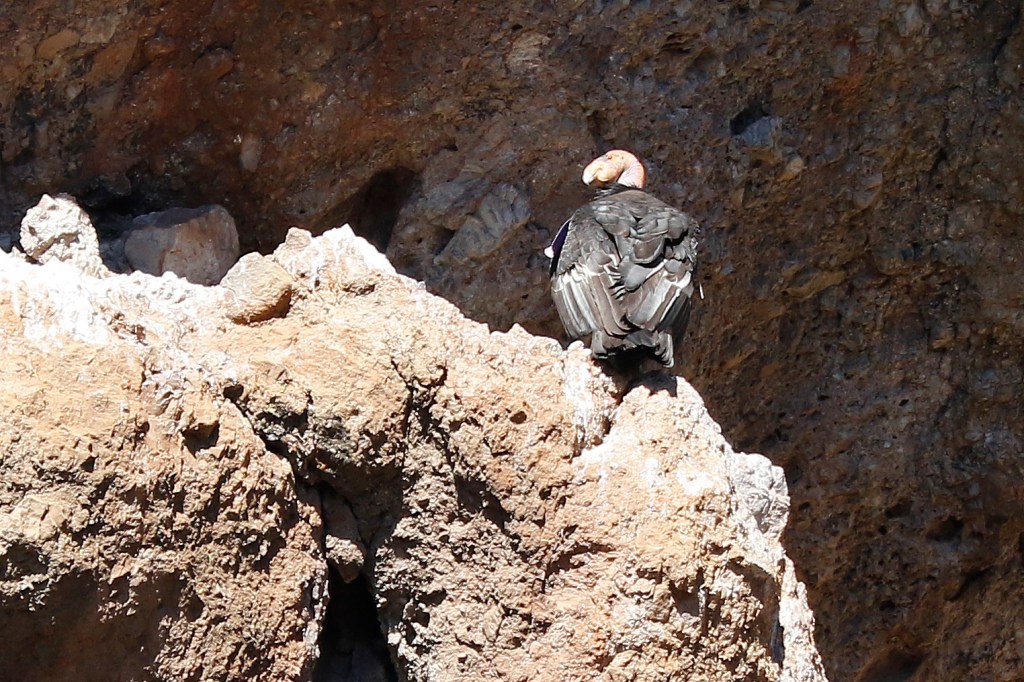
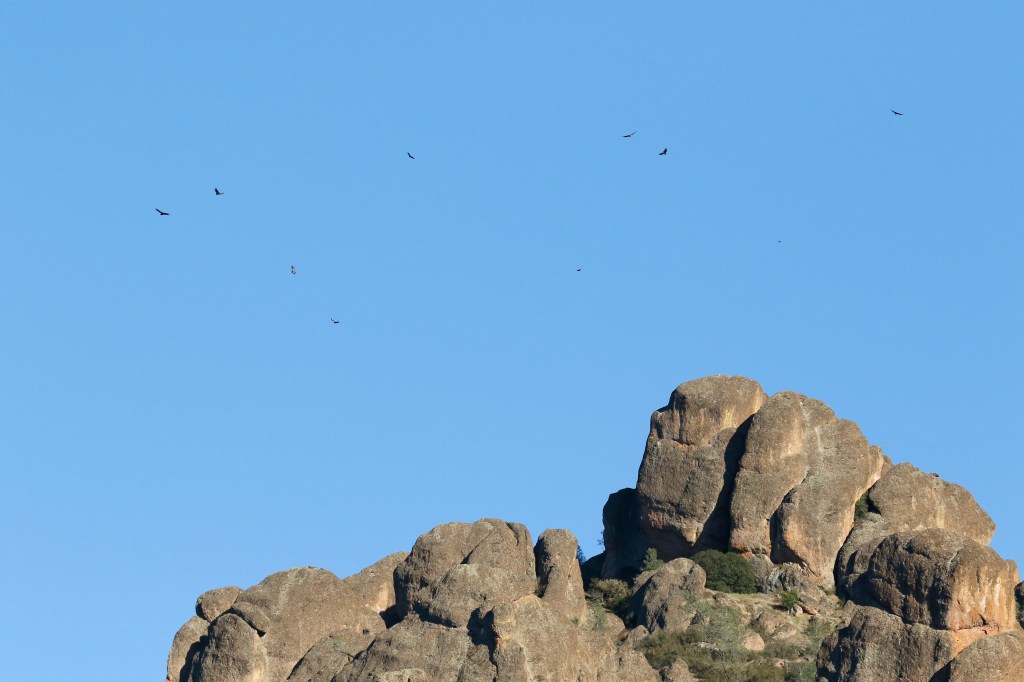
When the Big Year was proposed, Lynn and I knew we would need to put Pinnacles National Park near Soledad, CA, on the list of destinations. Quantity of birds was not the goal, although that would be nice, rather it was all about adding a California Condor to our list. In April of 2016 we visited the park for the first time. Only after leaving the park and zooming in on one photo of a large bird high up in the sky did we confirm we had seen a Condor. For a species down to a worldwide population of 22 in the 1980’s we were overjoyed to know we had seen one. This trip, we departed Ventura (relatively) early Wednesday and started hiking the Juniper Canyon Trail towards the High Peaks just before noon. Within minutes we saw a large bird soaring over the peaks in the distance. Lynn via her binoculars and me via a quick photo (I could zoom in on in camera) confirmed it was a condor. We were so happy, the trip was guaranteed a “success”. And it only got better and better. Early morning and early evening are when the condors are usually most active, but just past mid-day a condor with the tag “Purple 92” circled above us a few times. One pass was so low it started in the distance at our eye level, came straight towards us and then gained altitude to soar above us. I had to zoom OUT in order to try and retain it in my viewfinder as I tracked it. It eventually headed to a perch on a rocky ledge on a neighboring peak. So awesome. Our first day ended near 5:00pm, and when we turned around to enjoy a large moon rising above the peaks we saw the sky above the peaks full of soaring birds, most of them (we counted 9 at one time) California condors. Our hearts soared with them.

If you are interested in more images, below is a link to our album of edited bird photos from our two days at Pinnacles: https://deanryanphotography.smugmug.com/Wildlife/2021-02-24-25-Pinnacles-National-Park/n-4rc4qB/

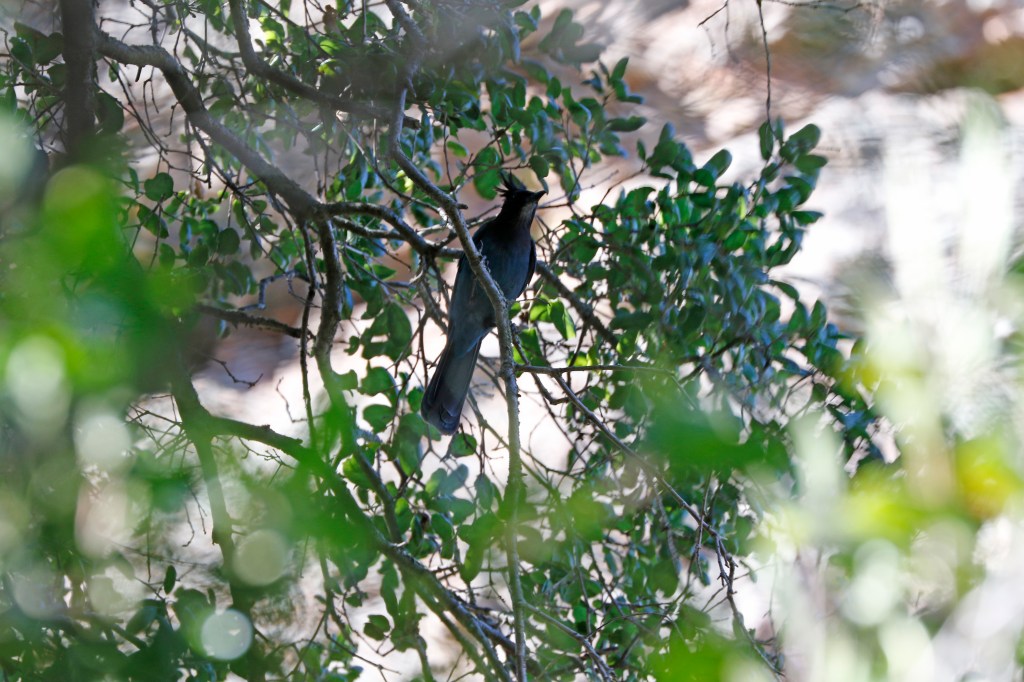
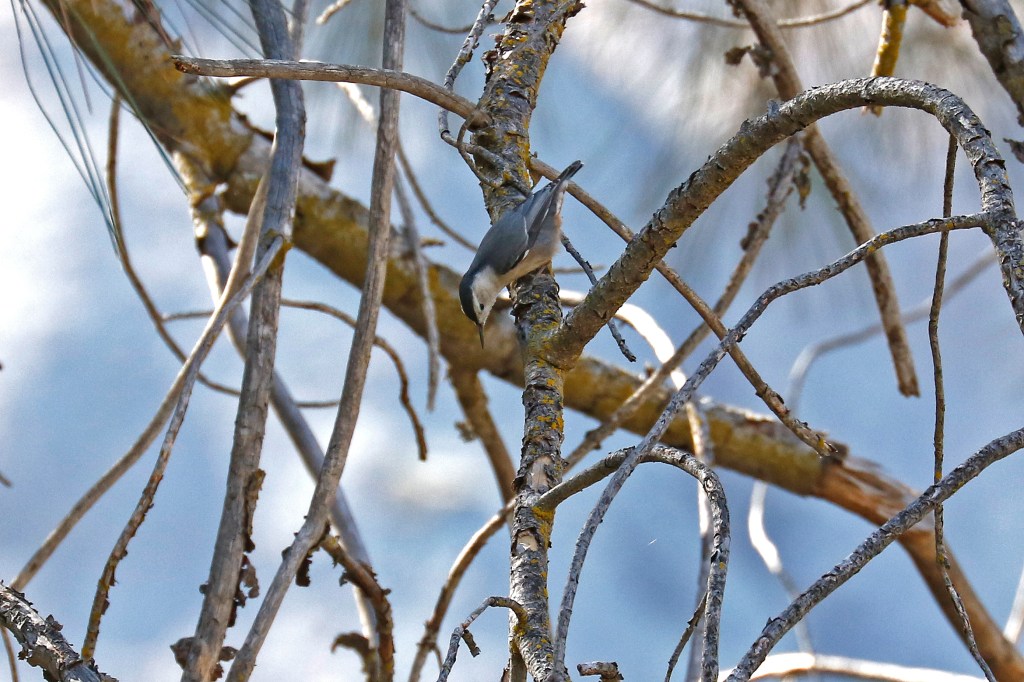
We kept alert for other birds of course, and were rewarded with some new ones for our list (see below), as well as some familiar ones. We couldn’t get good photos of them all, the little tricksters, but with blurry photos and Lynn’s good spotting and descriptions we could confirm identities for: two Steller’s Jays, a Hutton’s Vireo (we think), Fox Sparrows, a Red-breasted Sapsucker and some White-breasted Nuthatches.

Thank you Pinnacles NP, and all the people who helped, and continue helping, the condors and all birds.

Dean

Steller’s jay
Hutton’s Vireo ?
Fox Sparrow
Red-breasted Sapsucker
White-breasted Nuthatch

Rx vision

On Wednesday, I was doing my morning run by myself because Peter needed to run later in the day. He dropped me off at Lake Hodges and I made my way home via a series of trails.

My non-prescription athletic sunglasses are broken, so I’ve been running in my everyday prescription Ray Bans for sun protection. The combo of a quiet solo run and good eyesight had me in a constant state of wonder! I finally identified a specific shrill call we’ve been hearing to be the Spotted Towhee, and in just 8 miles saw at least these 25 species, 3 new for our 2021 list:

Night Heron, Blacked-Necked Stilt, Spotted Towhee, Western Scrub Jay, White Pelican, Coopers Hawk (2), Red-Tailed Hawk (3), Says Phoebe, Black Phoebe, California Towhee, Hummingbirds (many!), Coot, Grebe, Lesser Goldfinch, Northern Mockingbird, House Finch, Bushtits, California Thrashers, Snowy Egret, Cassin’s (or Western) Kingbirds, White-Crowned Sparrow, Song Sparrow, Crow, Mourning Dove, Spotted Sandpiper.

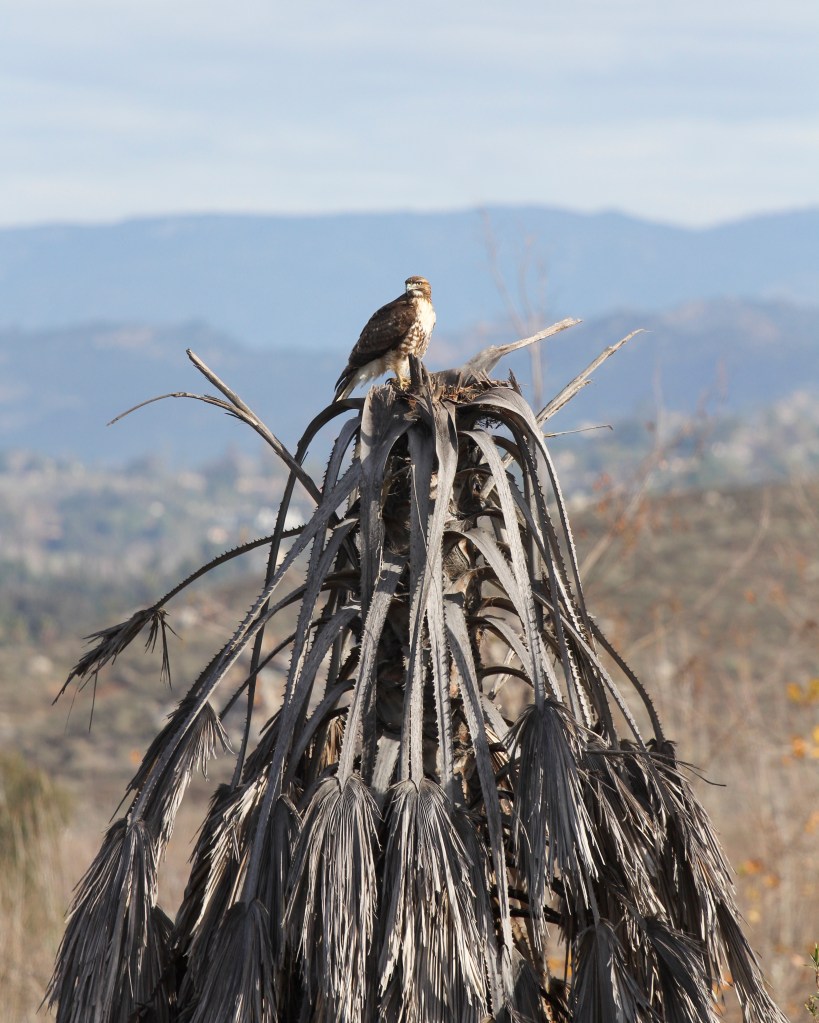
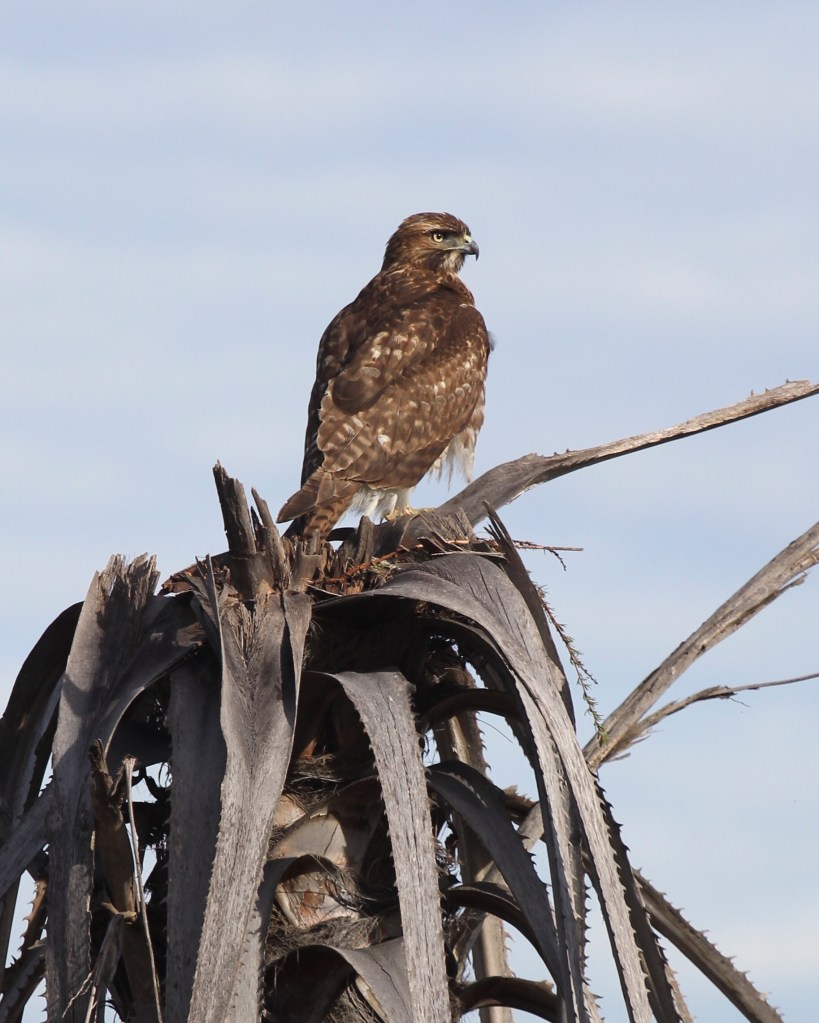
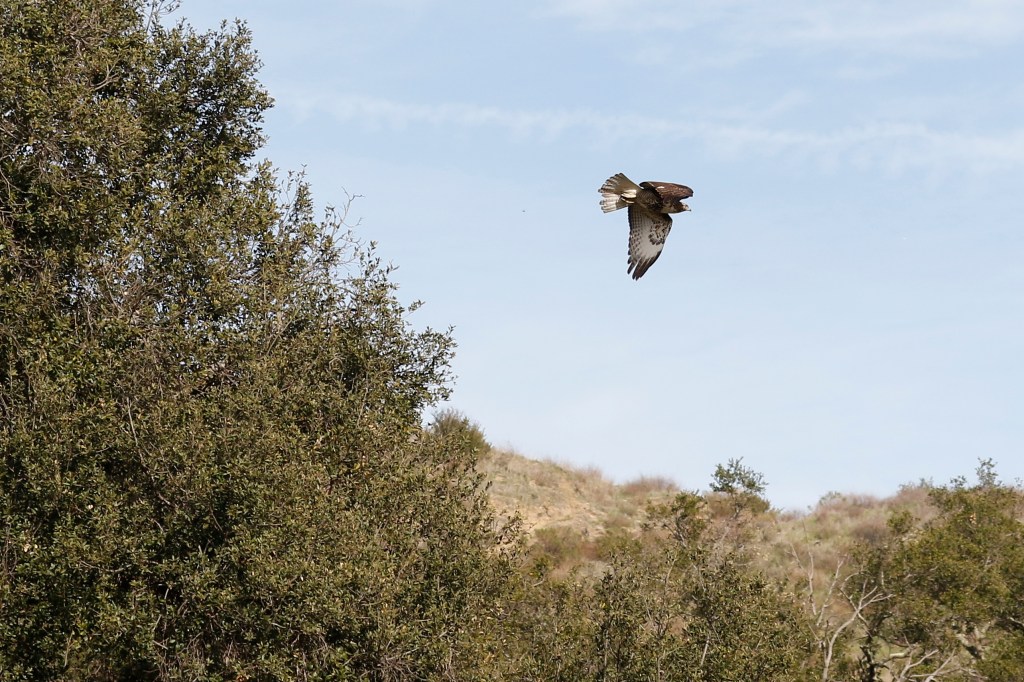
We see this red-tailed hawk almost every morning at this trailhead. These were taken a few weeks ago (didn’t have my camera on Weds. of course.)

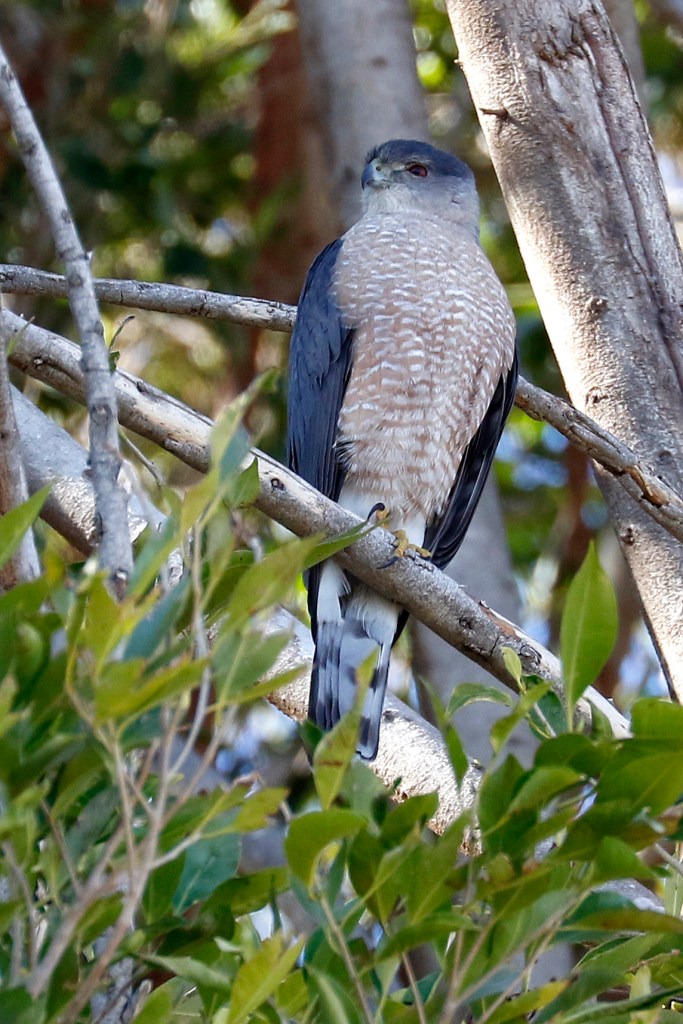
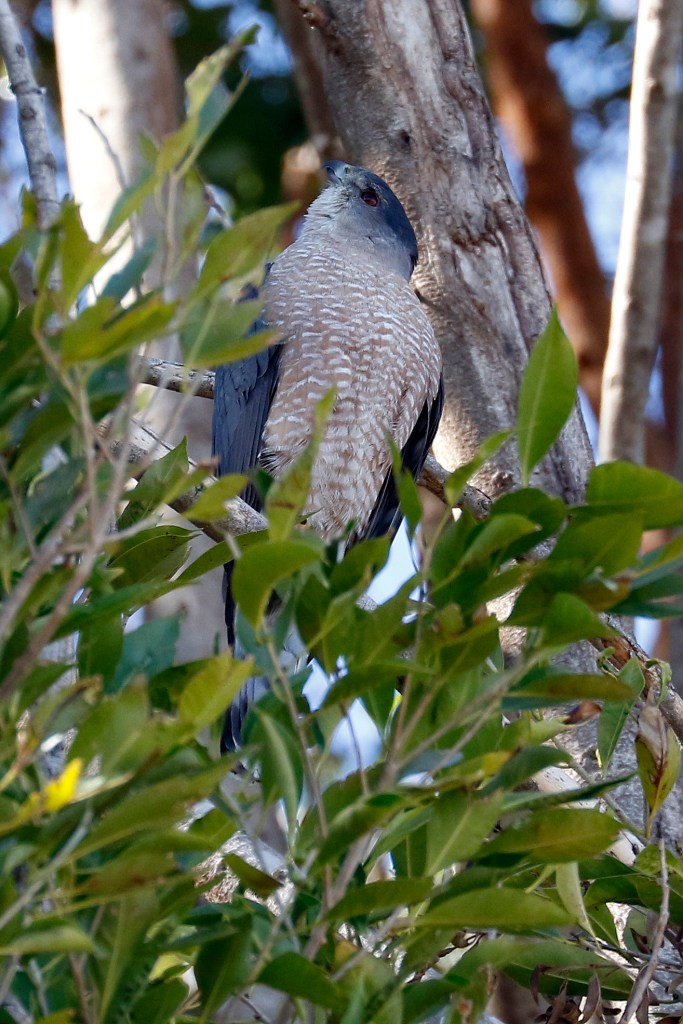
The Cooper’s Tree

Many of you may have heard me mention a pair (previously a trio) of magnificent tress in a local neighborhood where I have often seen Cooper’s hawks. We have a Cooper’s hawk sighting on our 2021 list already, but yesterday I put those trees on my walking route and had my Canon 7D with me just in case I saw something interesting. It was one of those times a plan comes together and makes you smile. As I approached the tree and looked through its dense canopy I saw an opening with a distinctive dark silhouette. Walking to the other side of the tree I saw a beautiful Cooper’s in plain sight. Several crows were in the tree as well, one only about eight feet from the hawk, giving it an endless blast of “caws”. Apparently un-phased, the hawk remained where it was, enjoying the view, or maybe relishing annoying the crows.

I think it is overdue that I name this tree “the Cooper’s Tree”, because of its many rewards, and it sure acted like it owned it.

Dean

10-Month Kinglet Pursuit

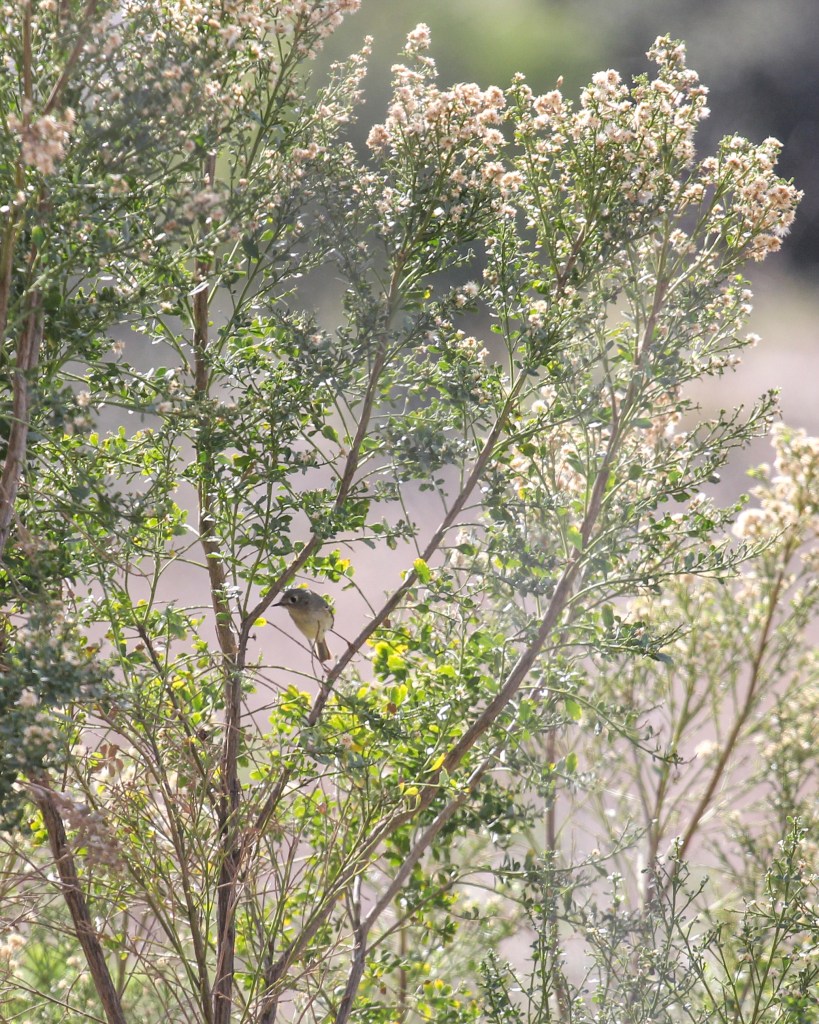
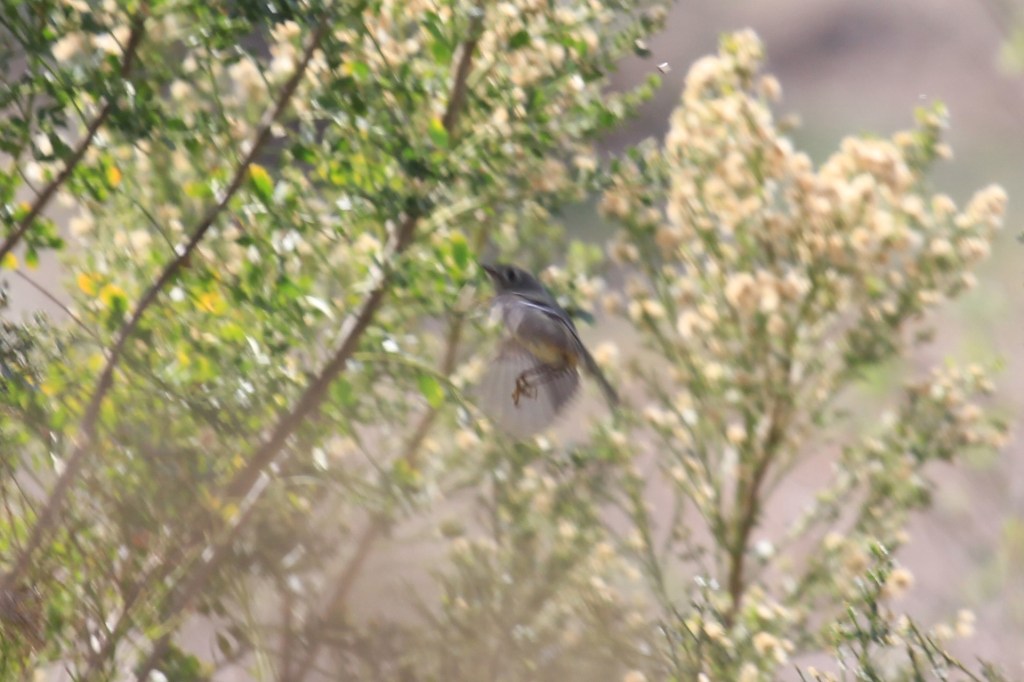
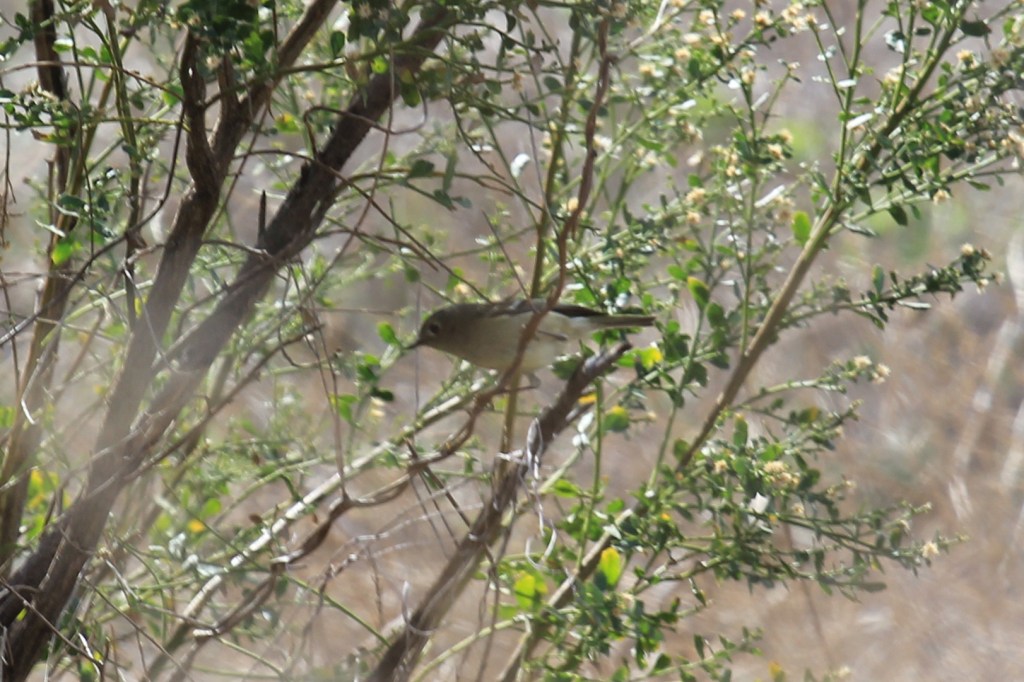
Back in April 2020, when we started noticing birds in our yard during the first weeks of quarantine, I saw a photo of a Kinglet and then my inexperienced birding eyes thought all the smallest birds in our yard were Kinglets. David, Alison, and Dad corrected each of my sightings. They were all Orange Crowned Warblers, Wrens, Bushtits, and Lesser Goldfinches. I’ve remained in pursuit of my Kinglet and was treated with my first in Harmon Canyon last week!

My first Kinglet! 🤍
Ruby-Crowned Kinglet (Photo above by Dean Ryan)

And there was so much more to see in the canyon!

White-Crowned Sparrow
White-Crowned Sparrow (Photo By Dean)
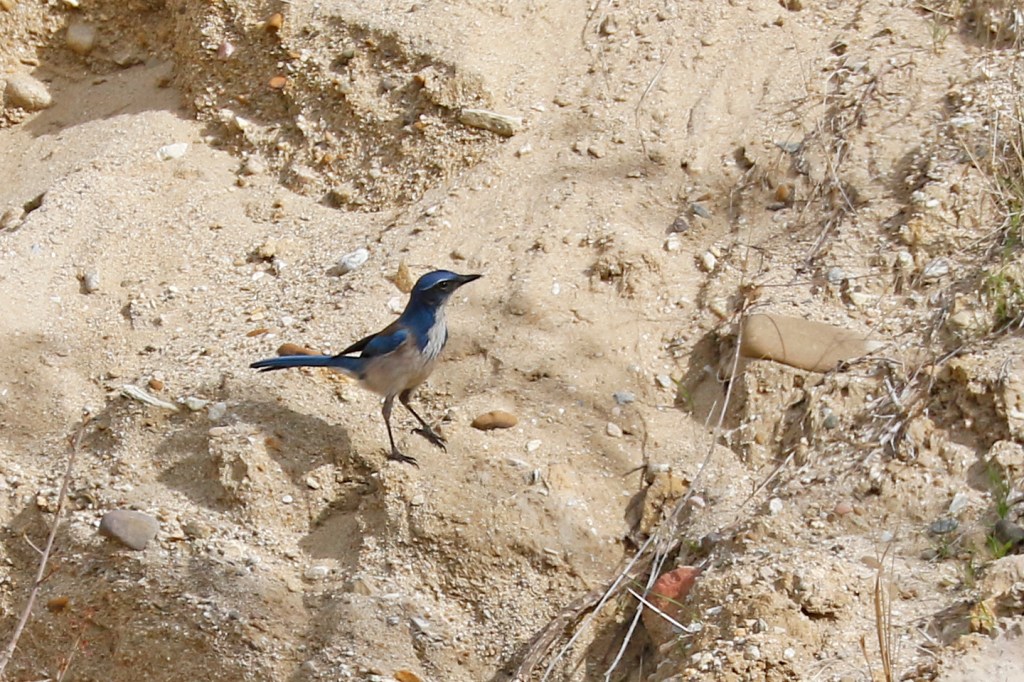
Western Scrub Jay (Photo by Dean)
Red-Tailed Hawk (Photo by Dean)
Lesser Goldfinches
Northern Mockingbird
The resident Allen’s Hummingbird (Photo by Dean)

-Blair