Ficus Tree Finch Family

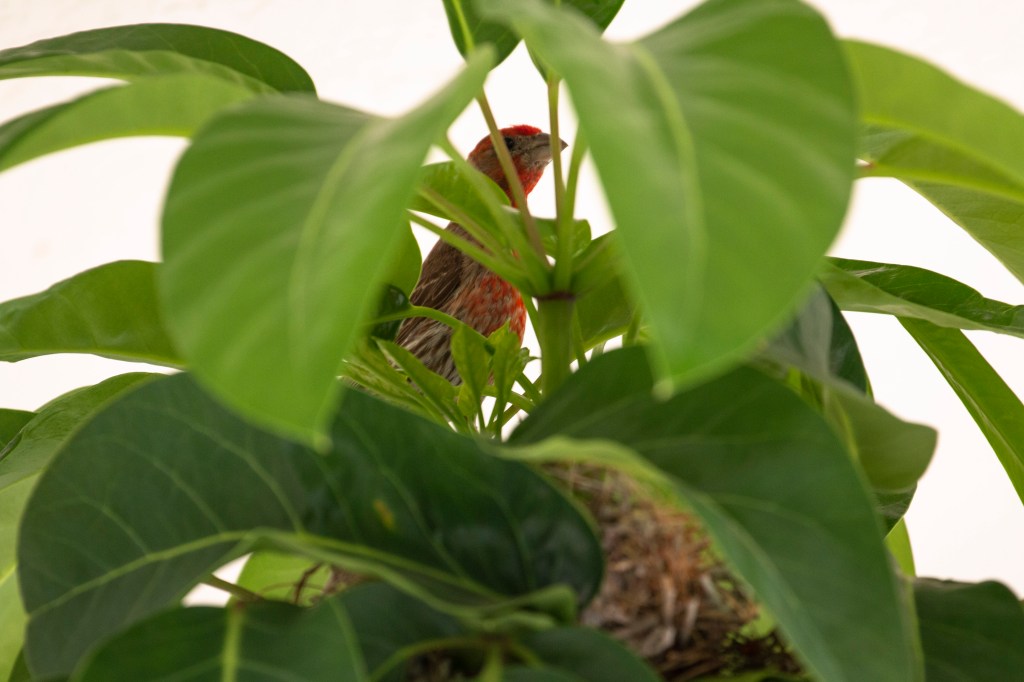
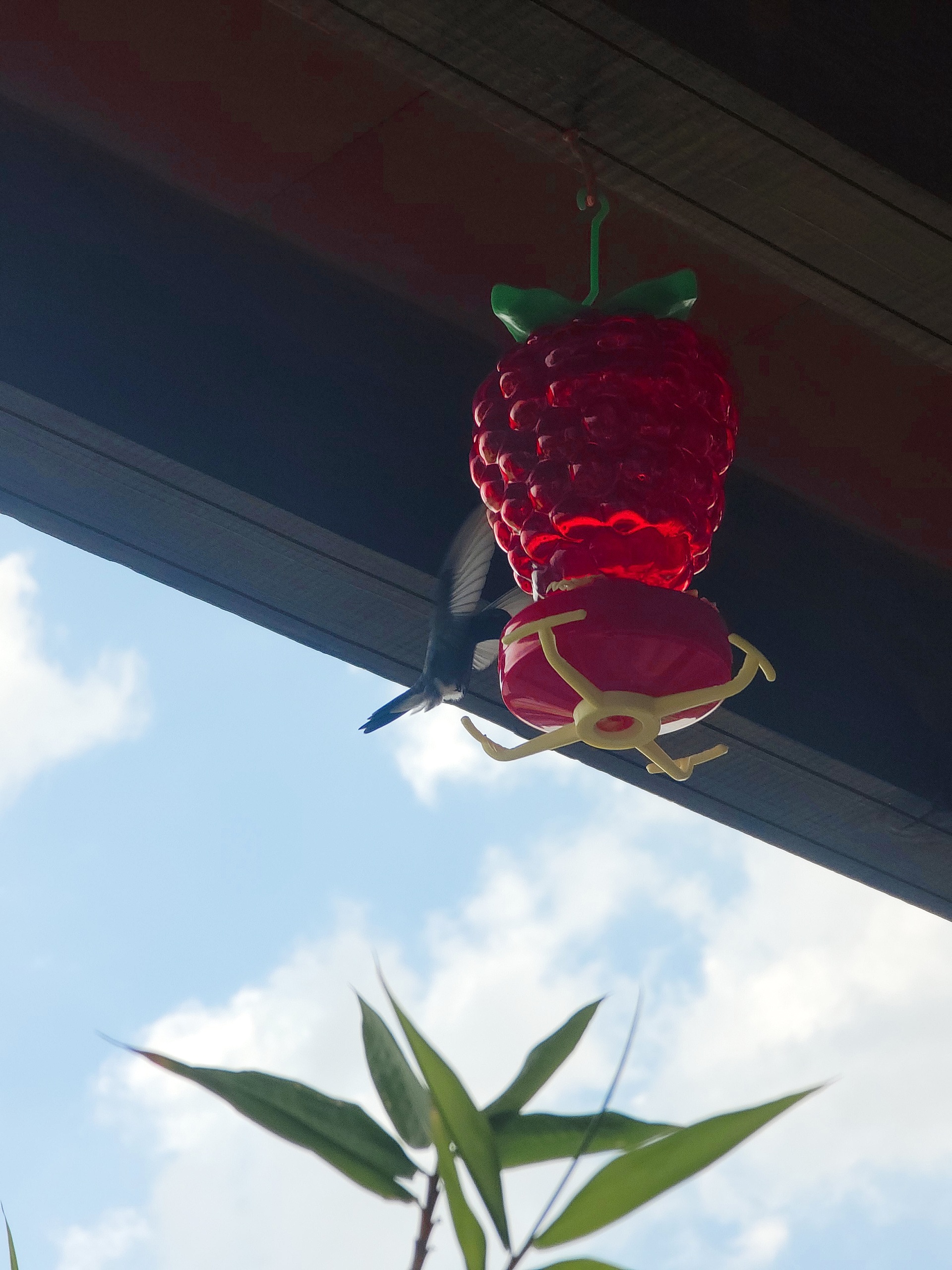
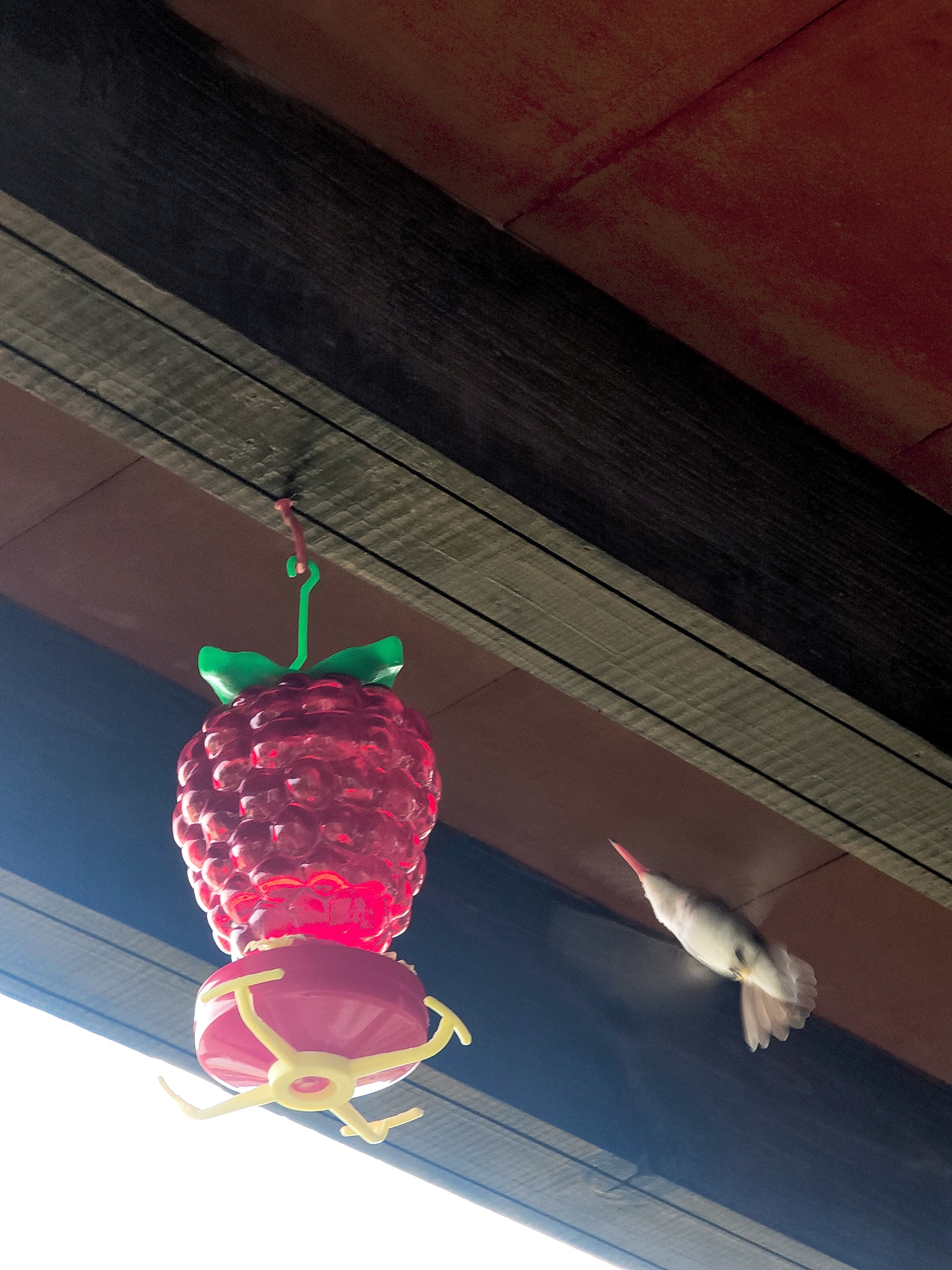
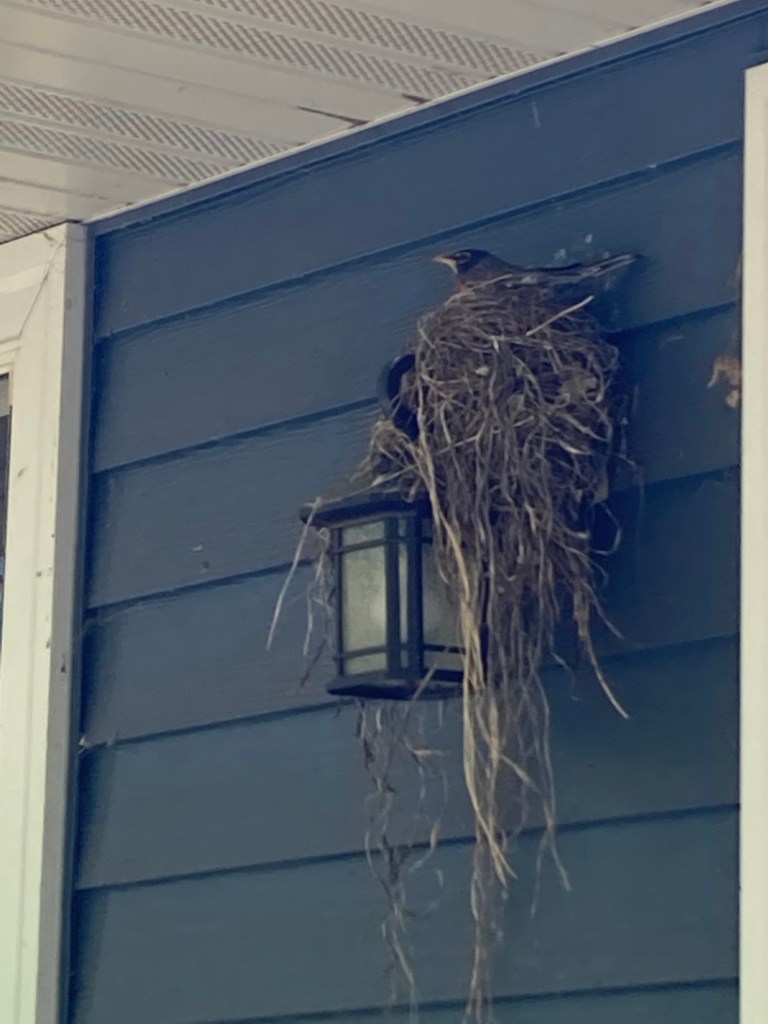
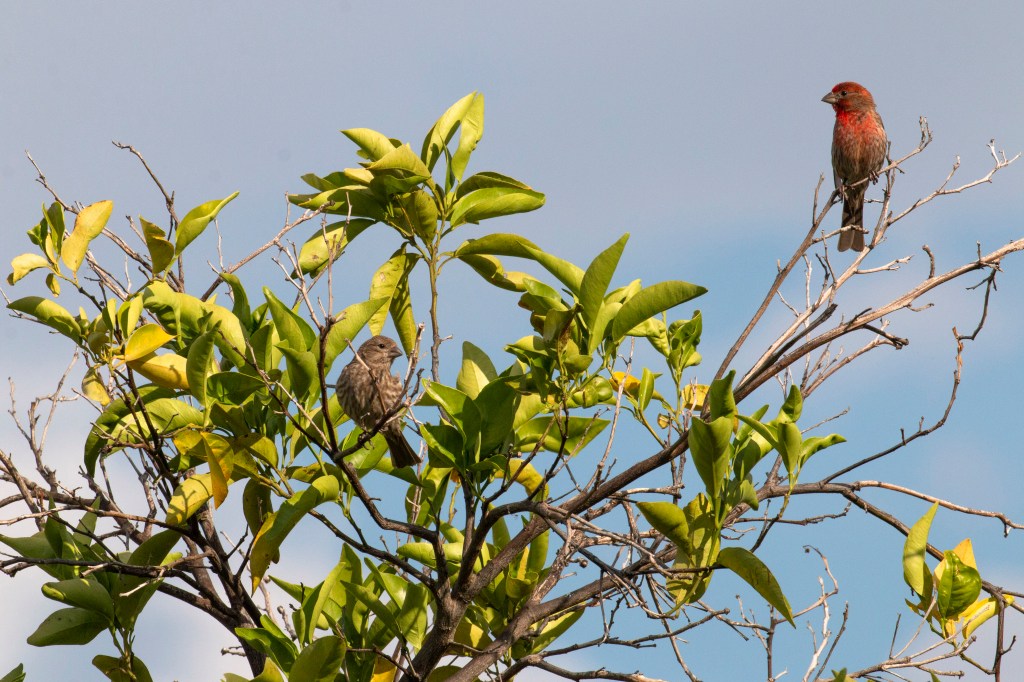
Meet Homer and Marge, fondly referred to as Margie and Holmes, who have chosen to bring their babies into this world in our spindly, unassuming, glorified houseplant that lives outside on our small patio.
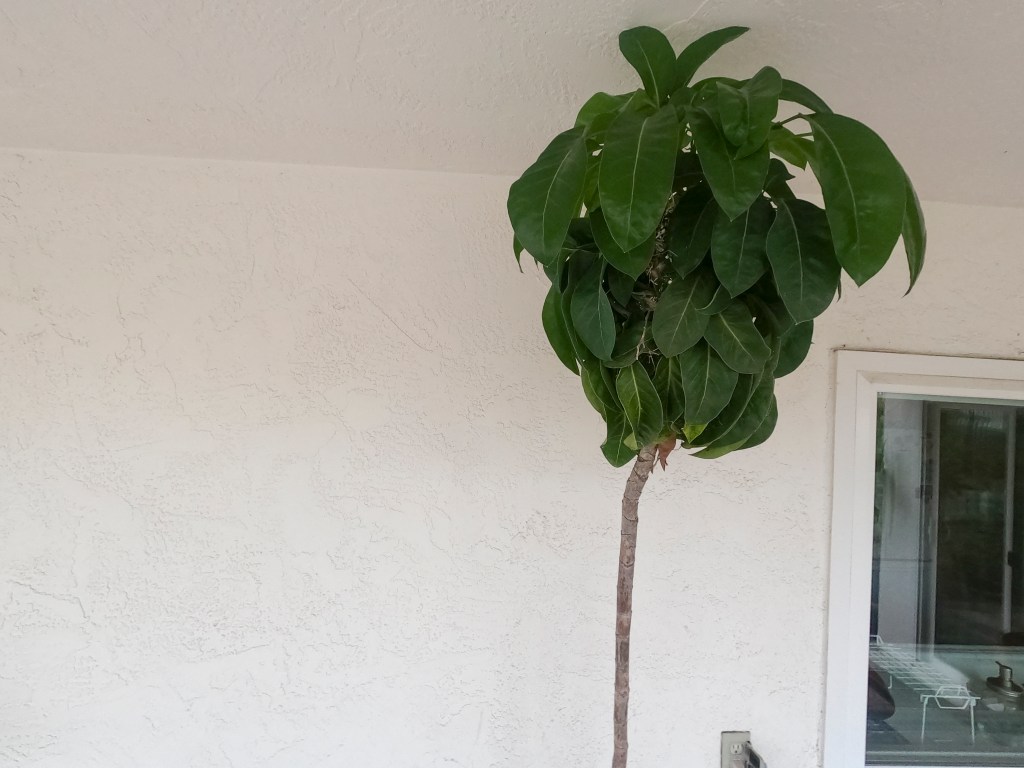
It was lovely to watch them work as a team to collect their nesting materials, flying to and from the patio together.

Most often Homer would sit just outside the patio chirping away in Margie’s direction as she threaded the items together. We wondered if he was cheering her on or telling her to hurry up…
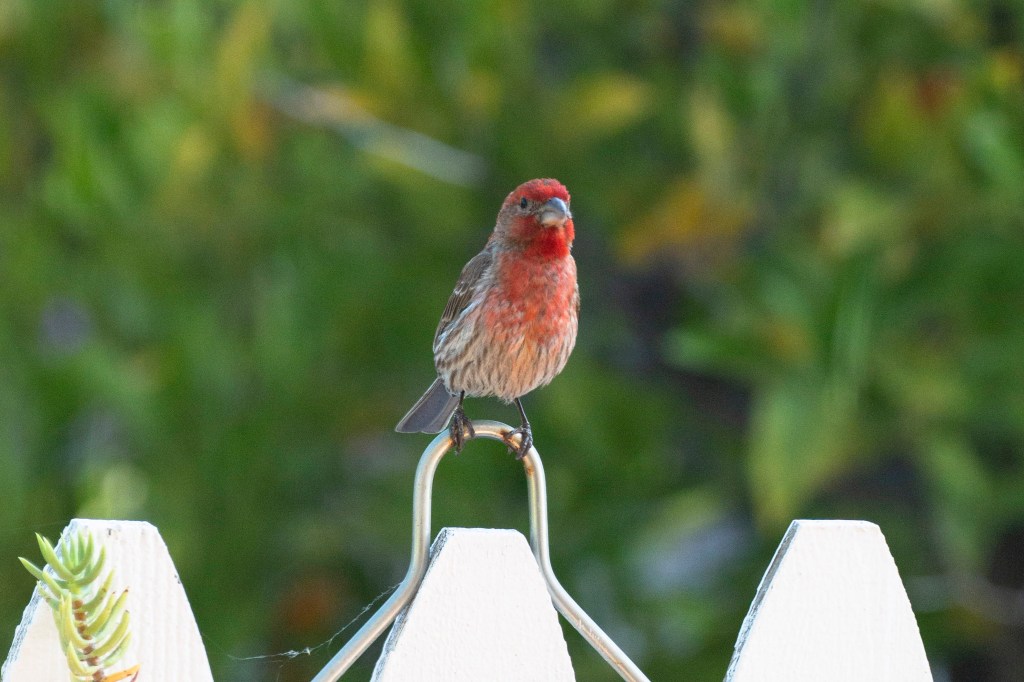
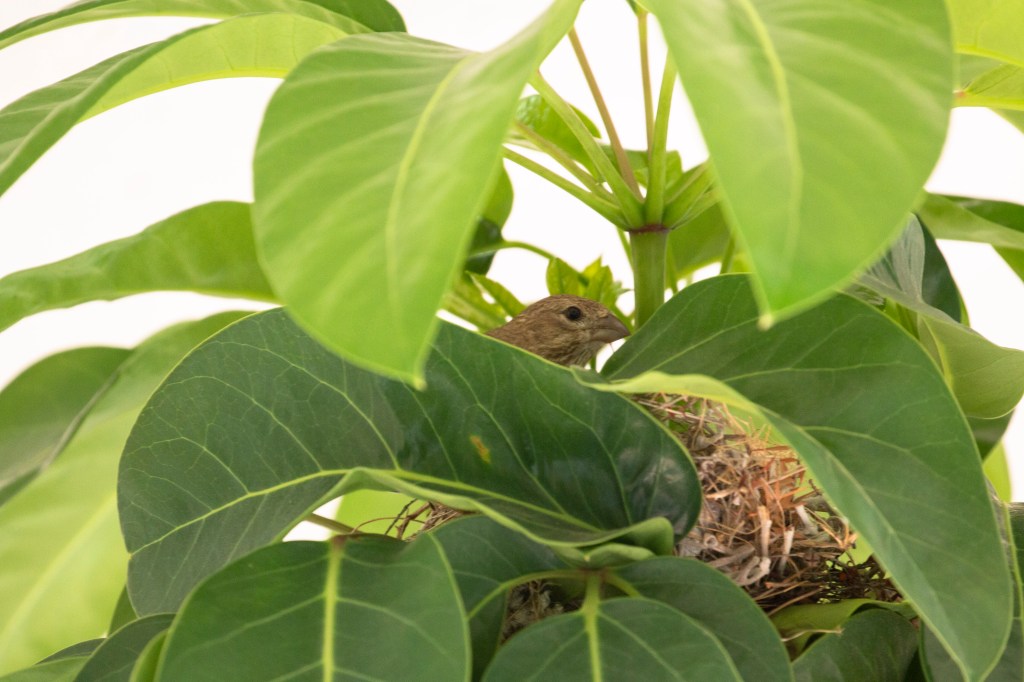
To be fair, he did help inside the nest too!

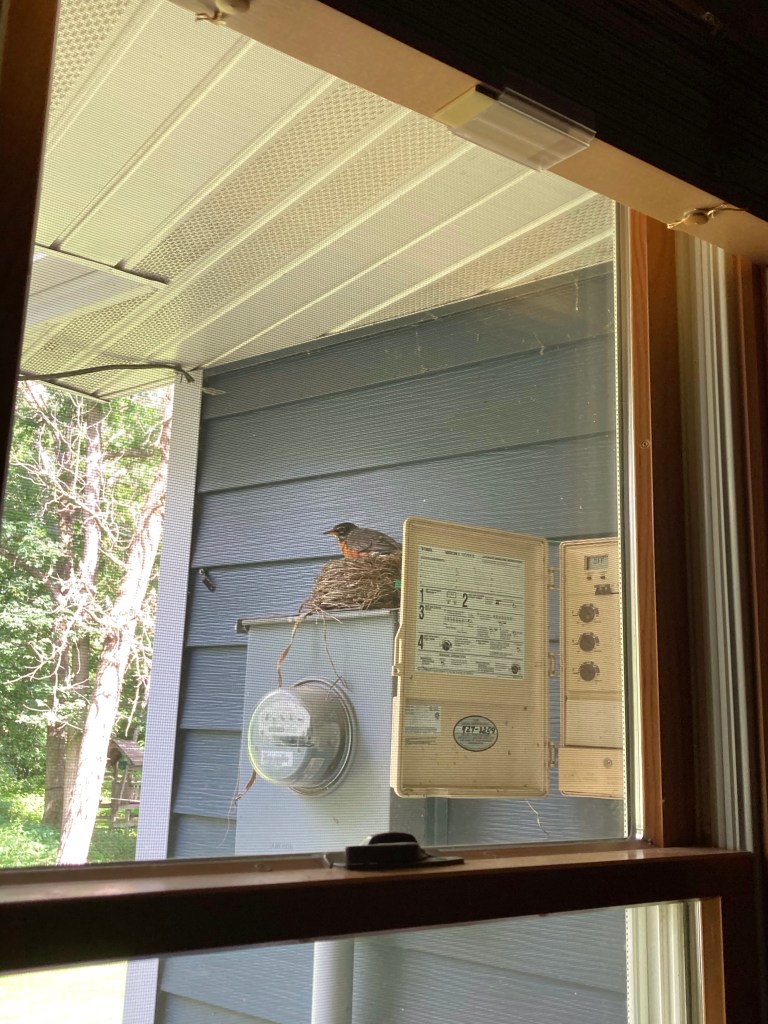
The observer.

We had some serious concerns about the quality of the construction, seeing many discarded sticks in the pot at the base of the plant, but soon they spent more time inside the nest!
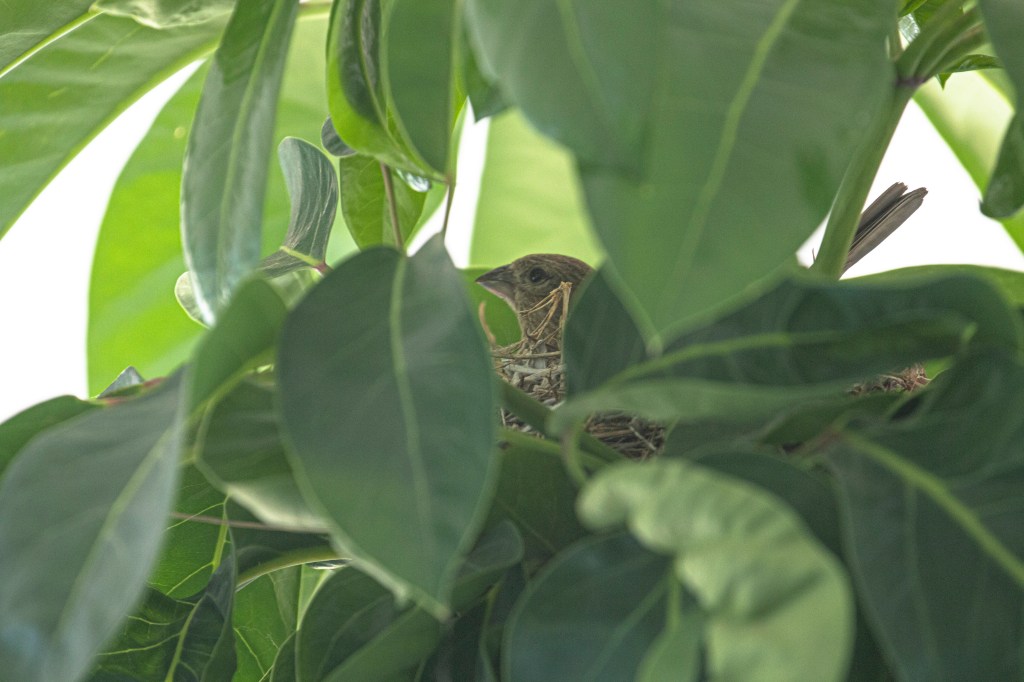
When I was sure the parents were away, I reached my phone up above my head. Not able to see the viewfinder I tapped the camera a couple times and stepped down. To my delight I saw three speckled green eggs in my camera roll! And a perfect looking nest! Well done team!
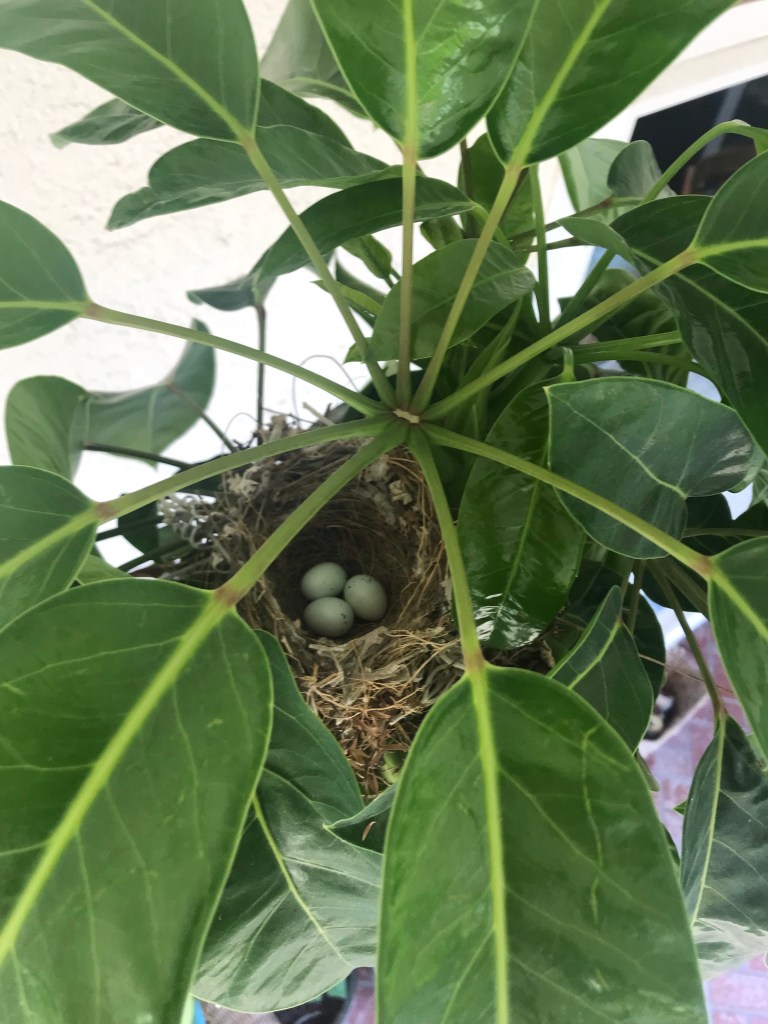
We had a backyard gathering and were worried it would deter them from their home base. They sat away and at times flew bravely toward the nest only to turn around as they got close. Were the eggs getting too cold?! We moved the party around the corner to give them some time to fly in.
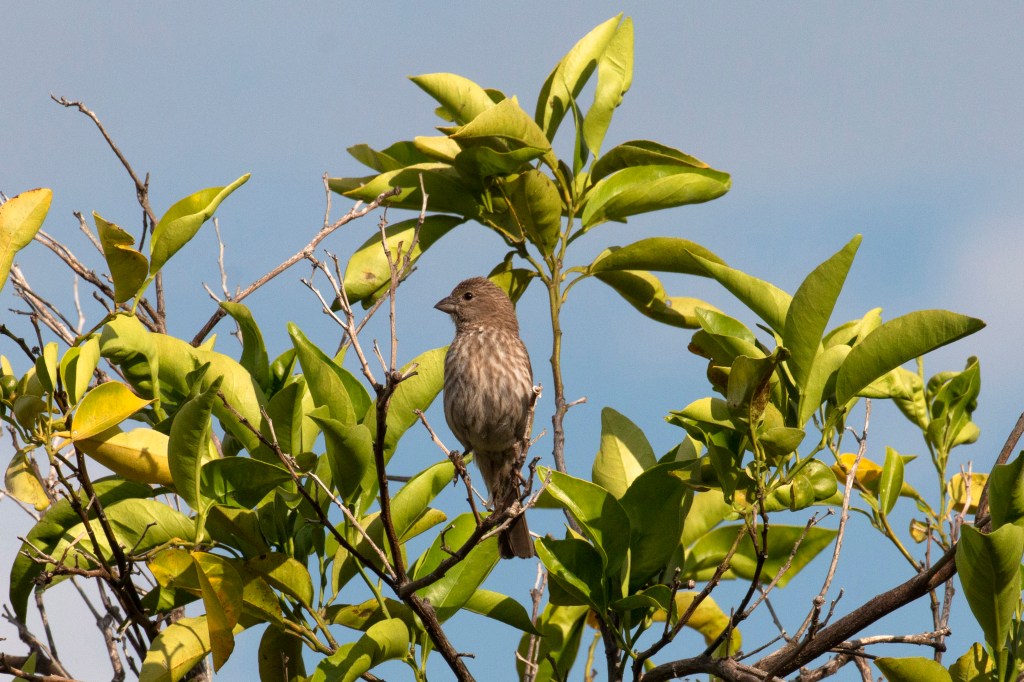
They returned.

Within a couple days Mum and Dad seemed to be preoccupied by something happening in the bottom of the nest.

Similarly to when we captured the iPhone photo of the eggs, I reached up and saw…
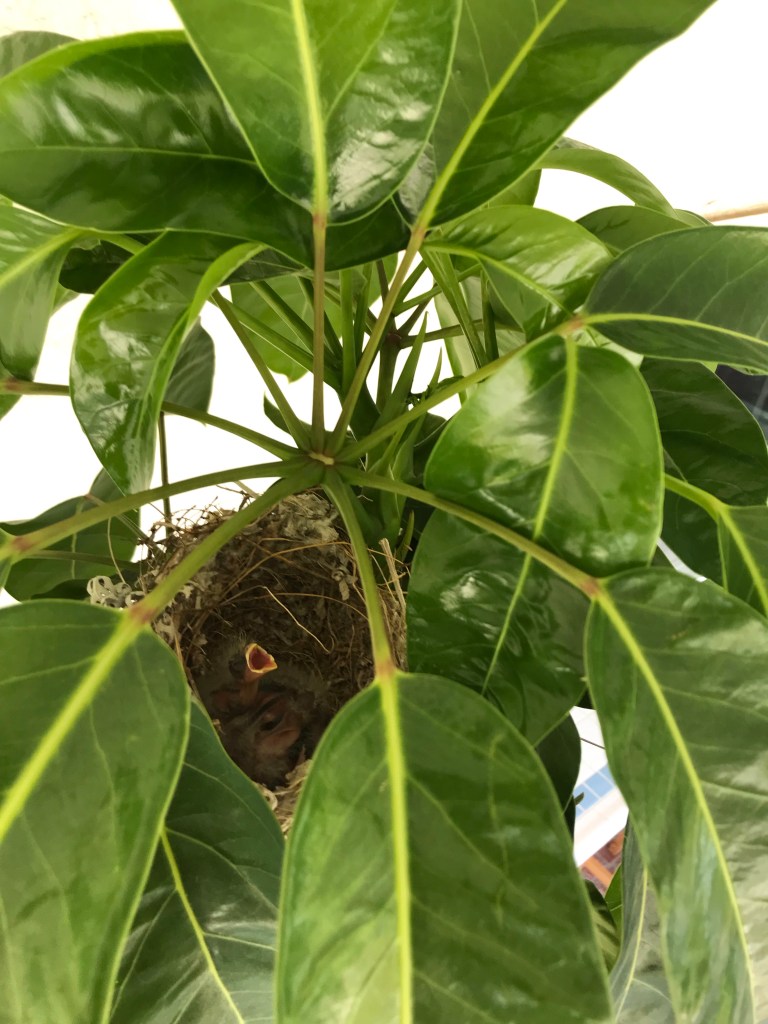
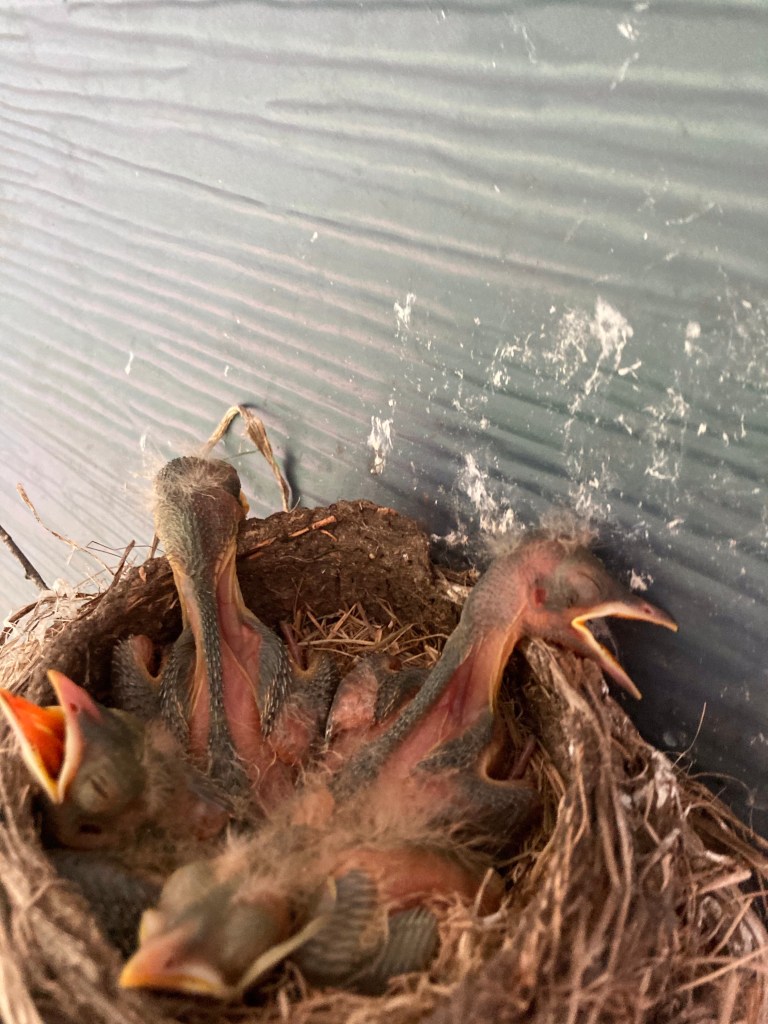
HELLO baby finches!
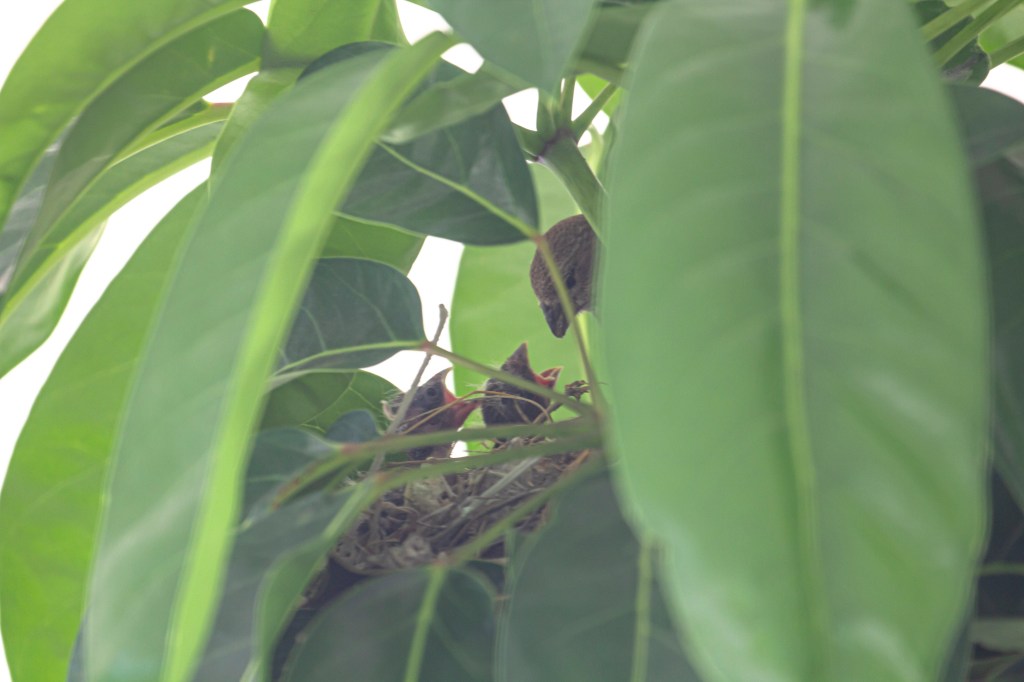
Mummy and Daddy have been attentive and feeding often.

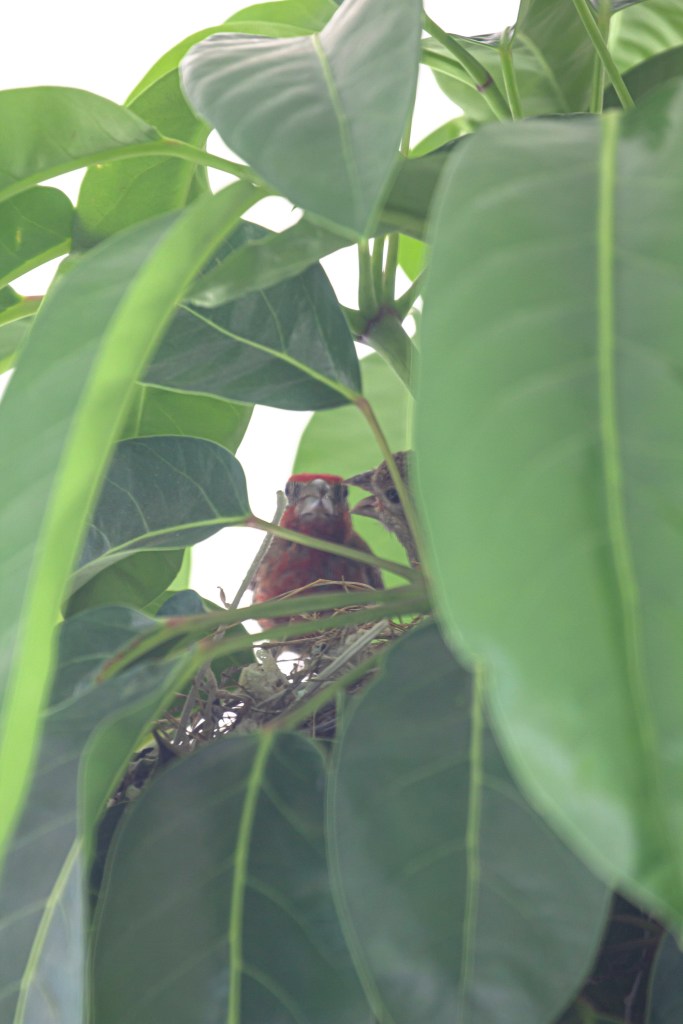
Taking turns regurgitating seeds.
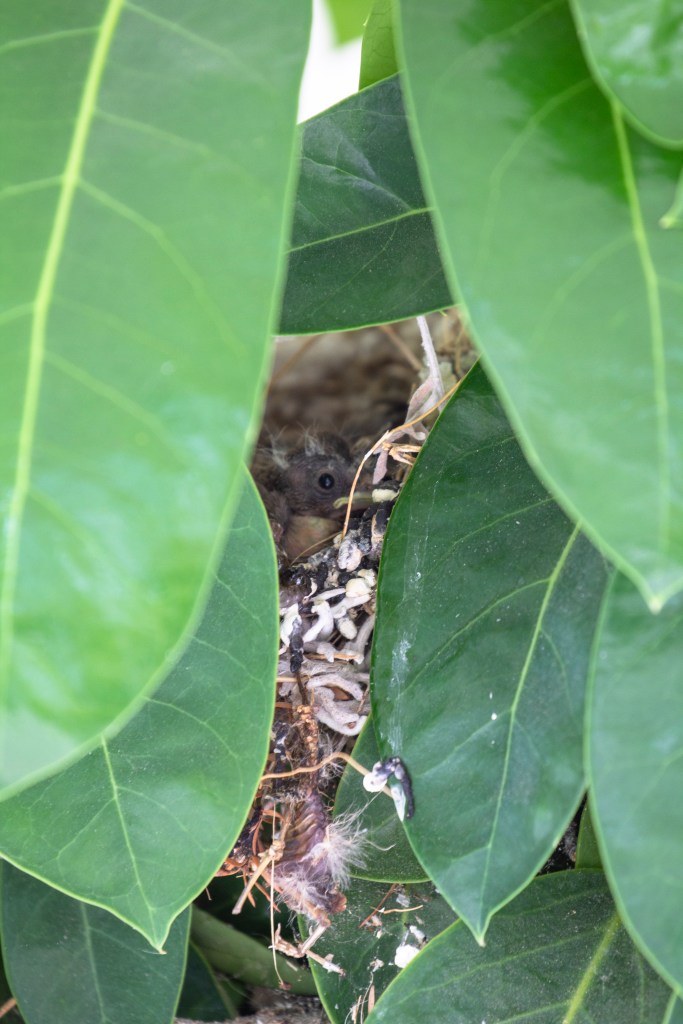
Unfortunately, we’re only seeing two babies now, and as you can see in this photo, it appears the third baby did hatch, but died early. Below our sweet little Benjamin Button, is a little foot and feathers of the lost baby. We are staying positive for Benny B and sister Daisy (or maybe Daze-E if we learn it’s a brother.)

We will keep you posted!

-Blair
Tanagers of Millpond

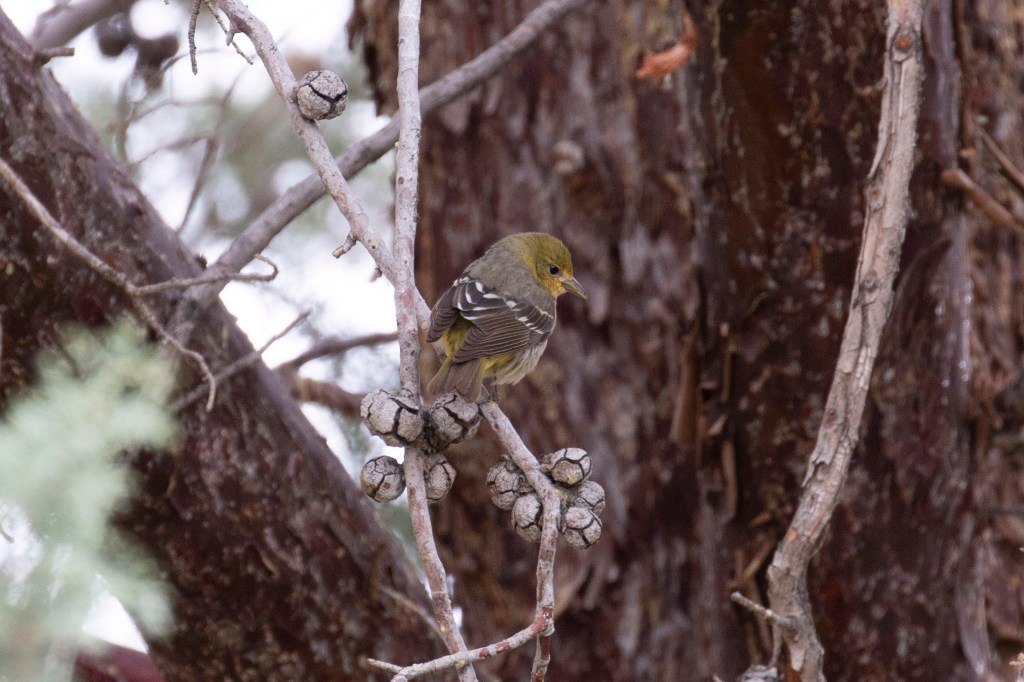
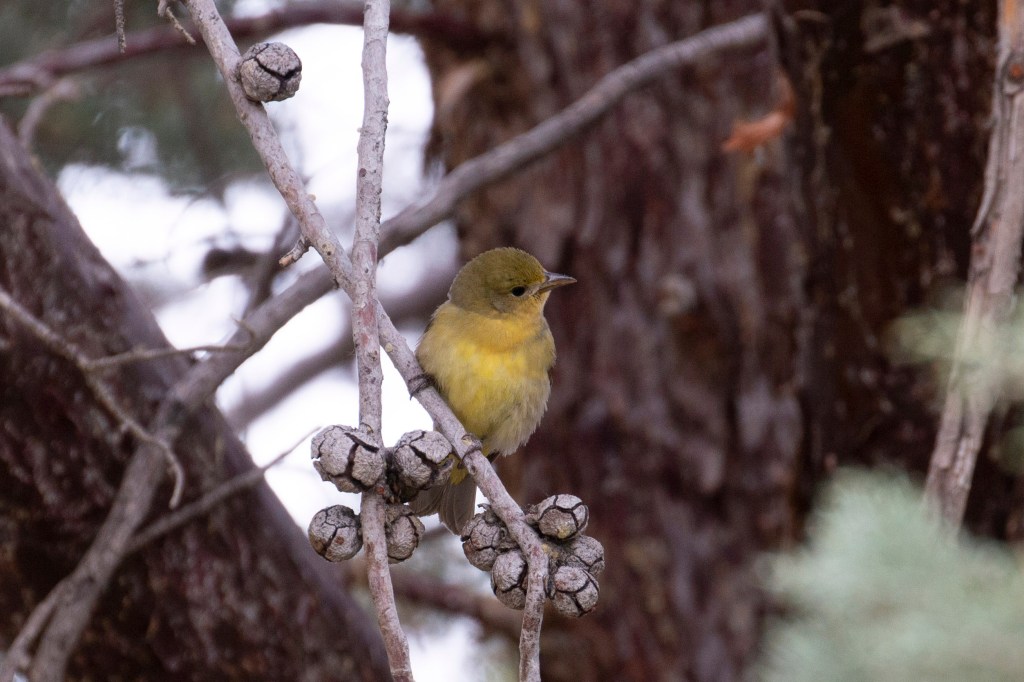
Western Tanager female

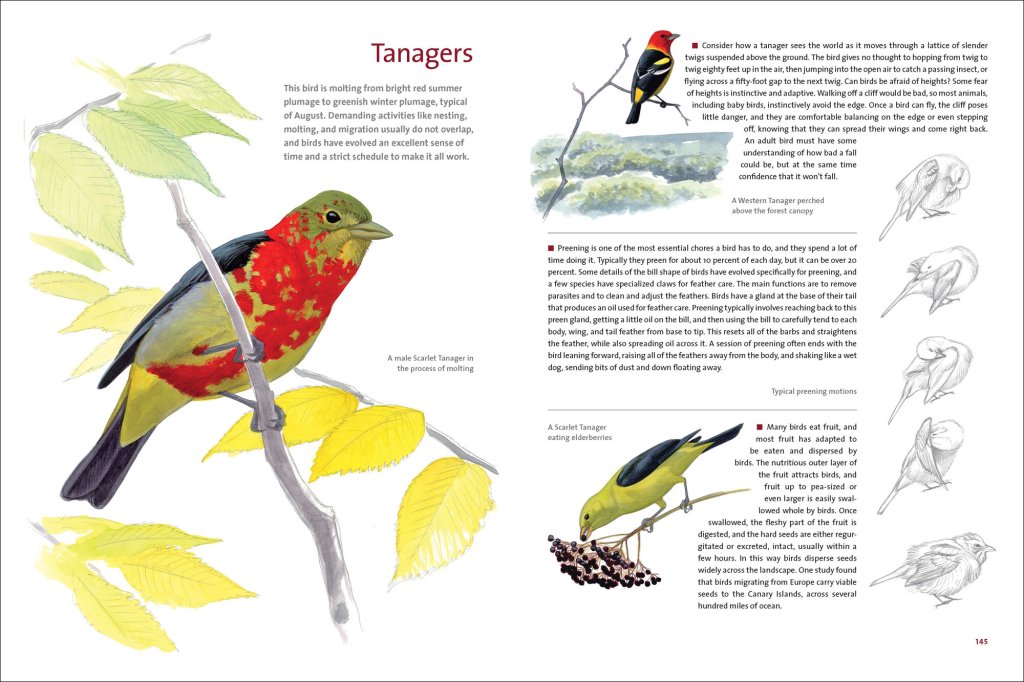
This post is a throw back to the end of May when we were in Bishop, CA for our trail race. The check in area was the Millpond Recreation Center which proved to be a fruitful birding spot too! In just half an hour, Peter and I added 6 new species to our list with help from spotters Dean and Lynn. The most exciting were the Western Tanagers, new for both teams and cover birds of Sibley’s What It’s Like to Be a Bird guide.

Western Tanager female
Western Tanager male. Photo by Dean Ryan

I found it interesting to learn more about Tanagers HERE.

Some others from the area:

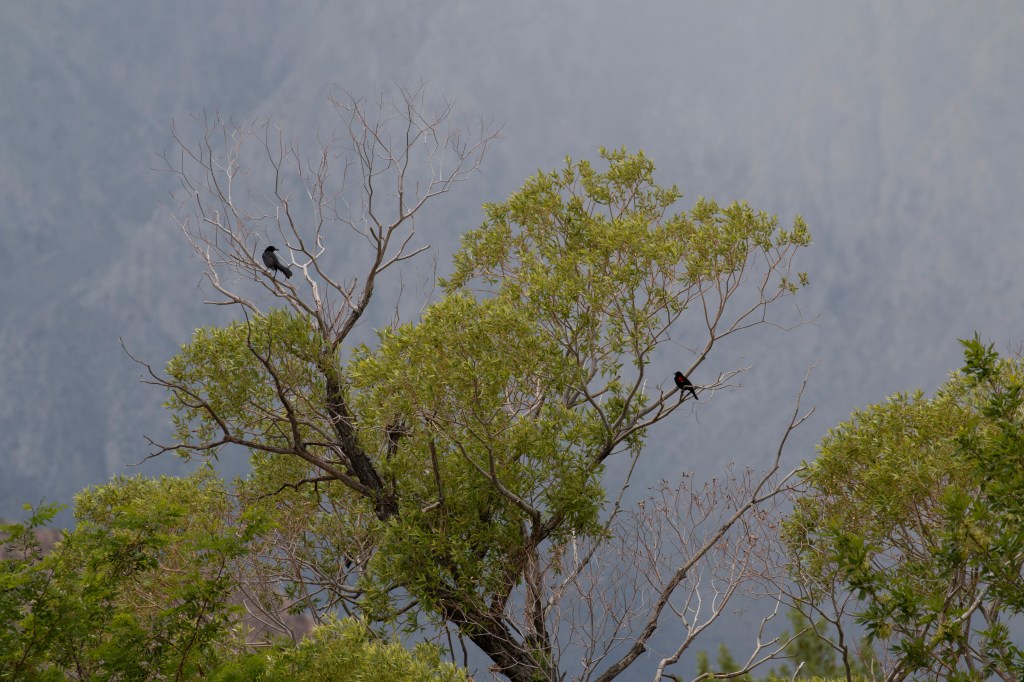
Great-Tailed Grackle and Red-Winged Blackbird
Western-Wood Pewee
Pine Siskin
Canada Goose Family
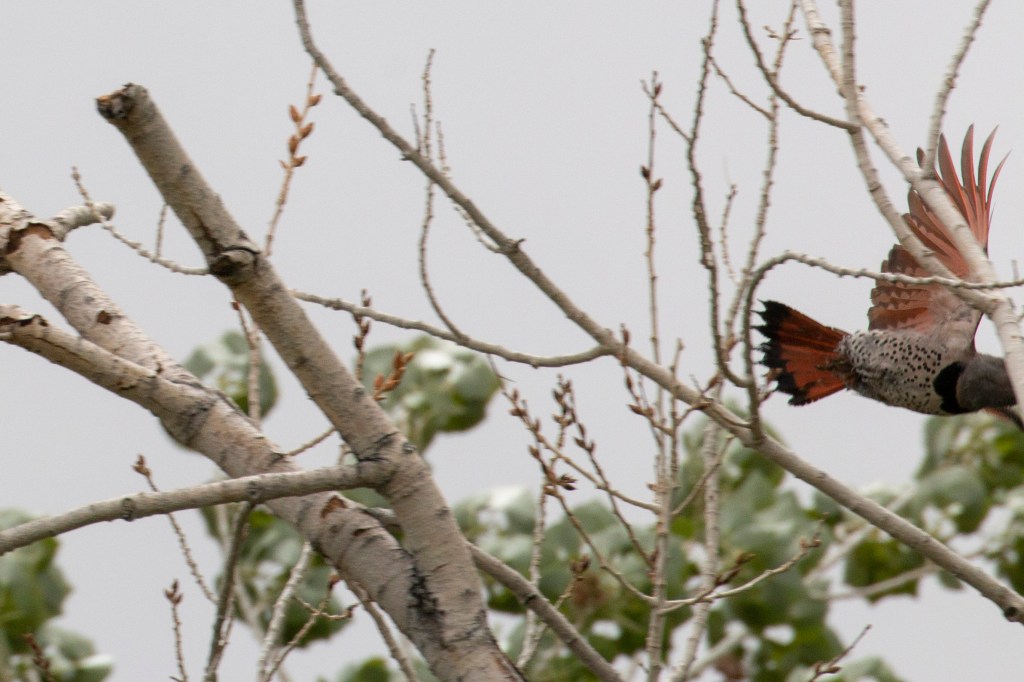
Red-Shafted Northern Flicker (thanks for the spot, Mum!)

-Blair
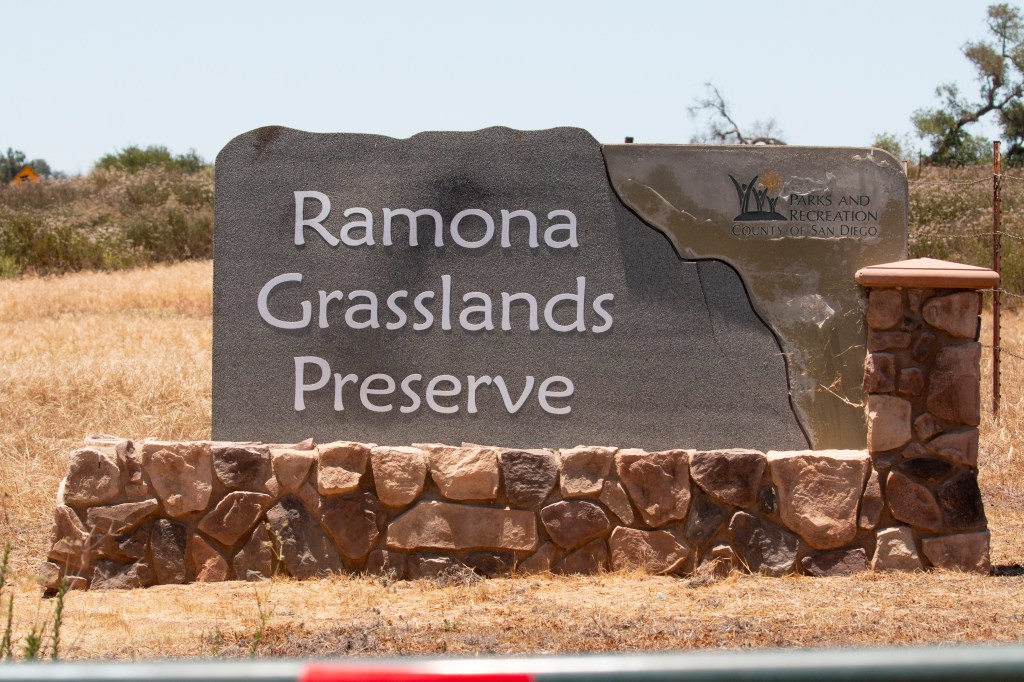
Ramona Grassland Preserve

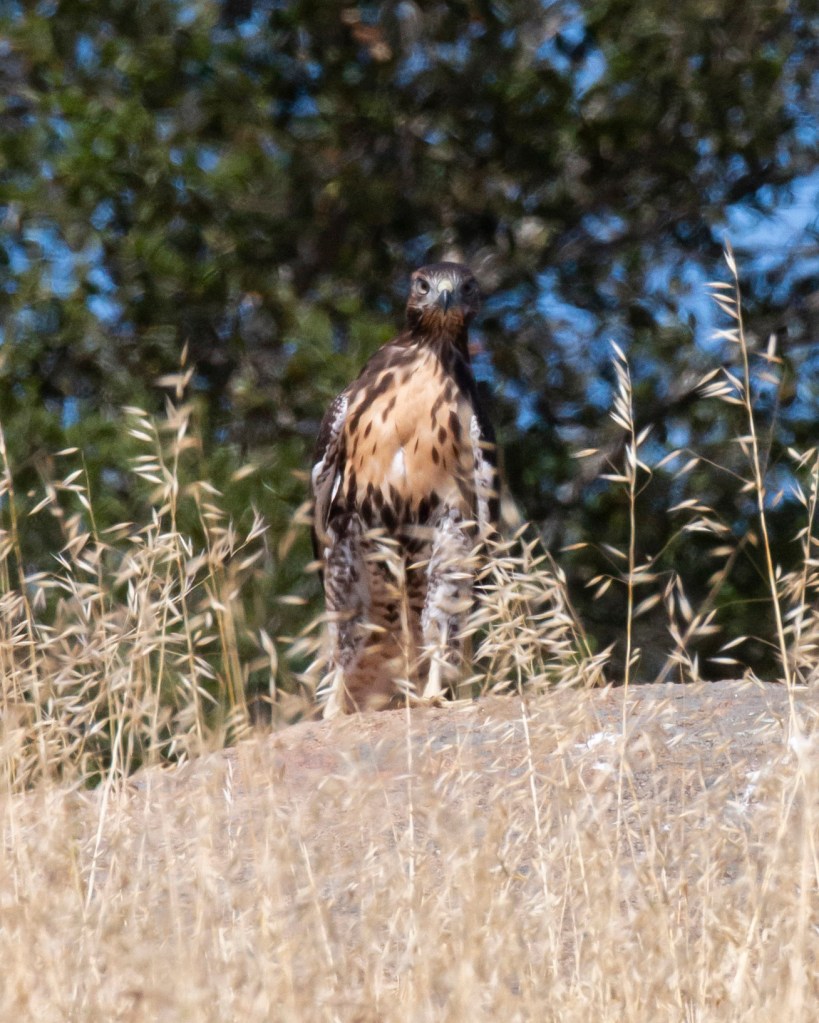
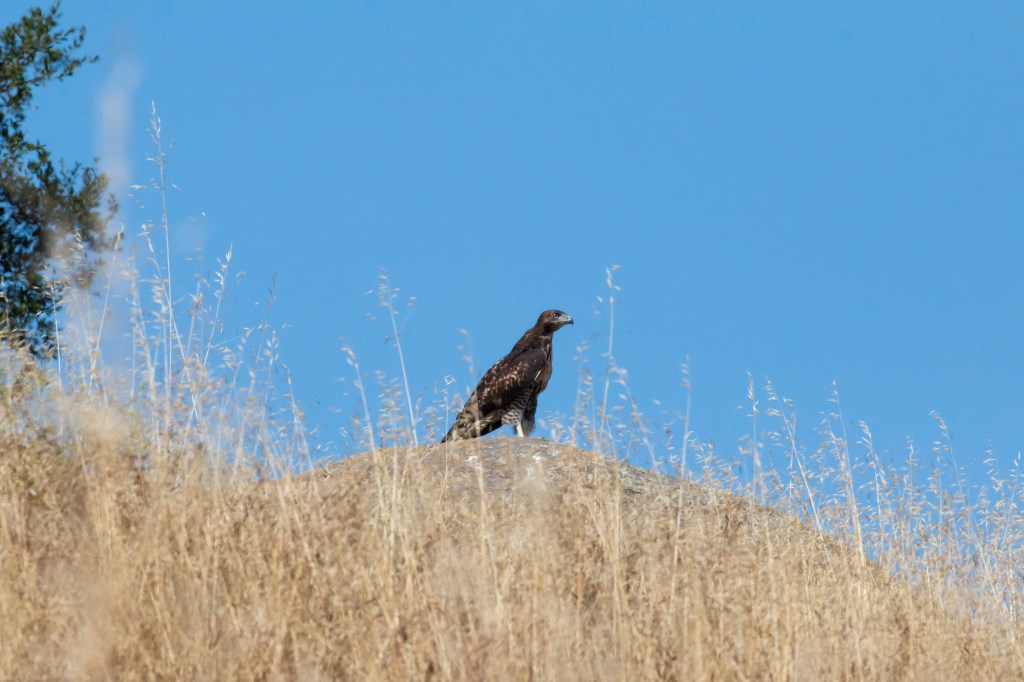
Red-Tailed Hawk

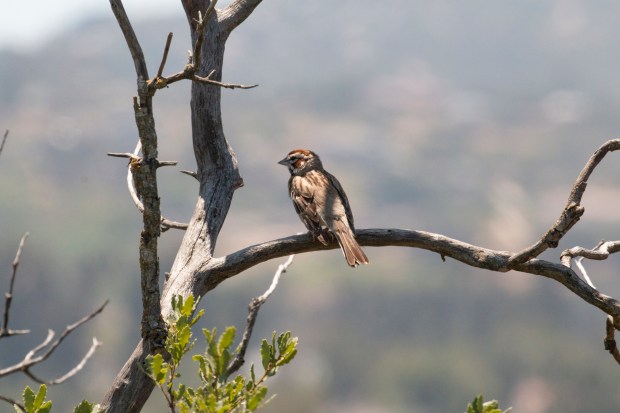
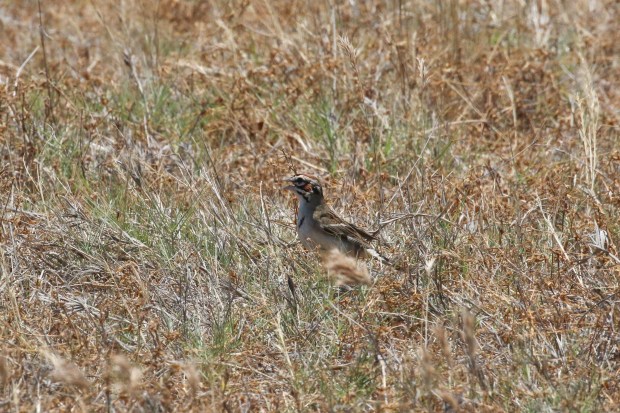
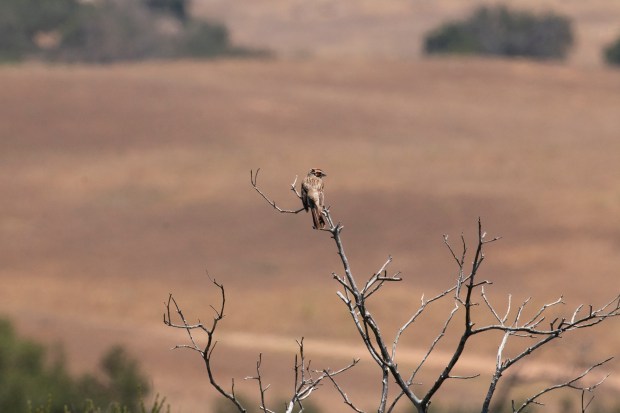
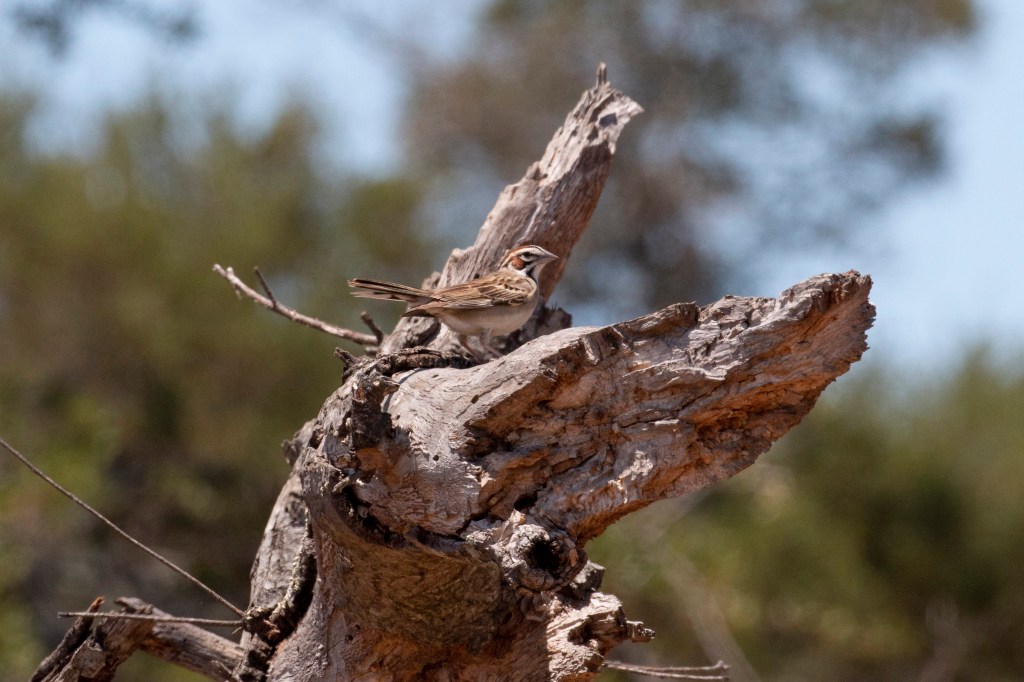
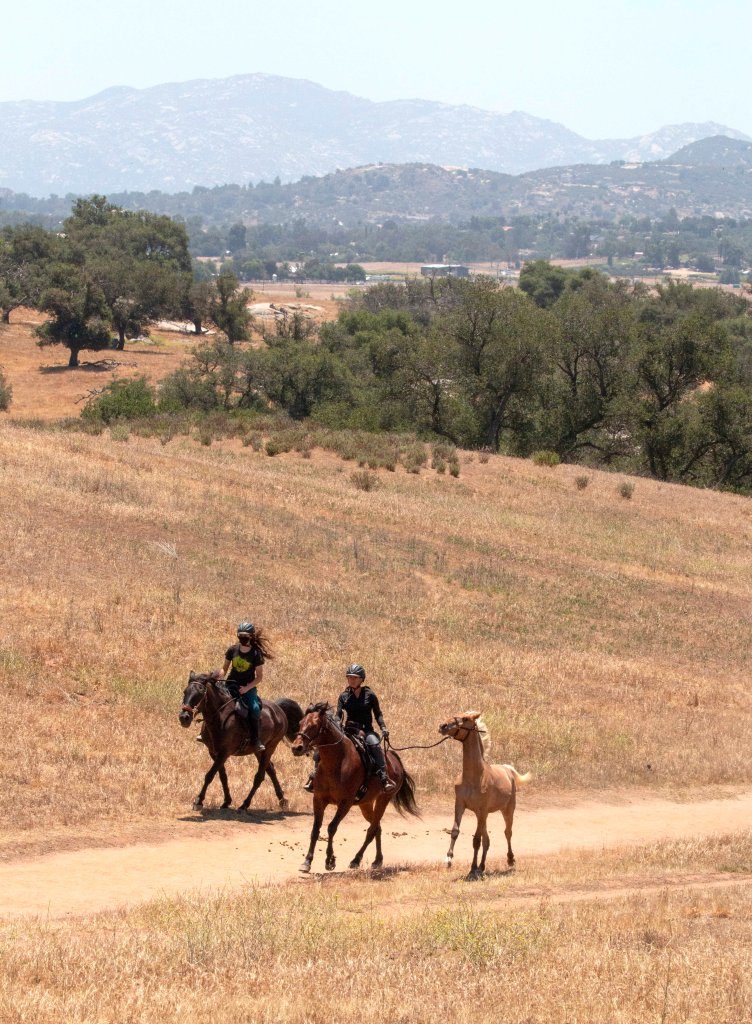
Just 10 miles from our house is the Ramona Grasslands County Preserve, said to be home to over 100 species of birds. It’s a 3,521-acre preserve, but until August 15th some land is closed to the public to protect sensitive resources such as a Golden Eagle nest! We didn’t see any soaring eagles during our visit to the portion of the preserve that is open now, but did have a good day of running and hiking and added the Lark Sparrow and Cliff Swallow to our list.

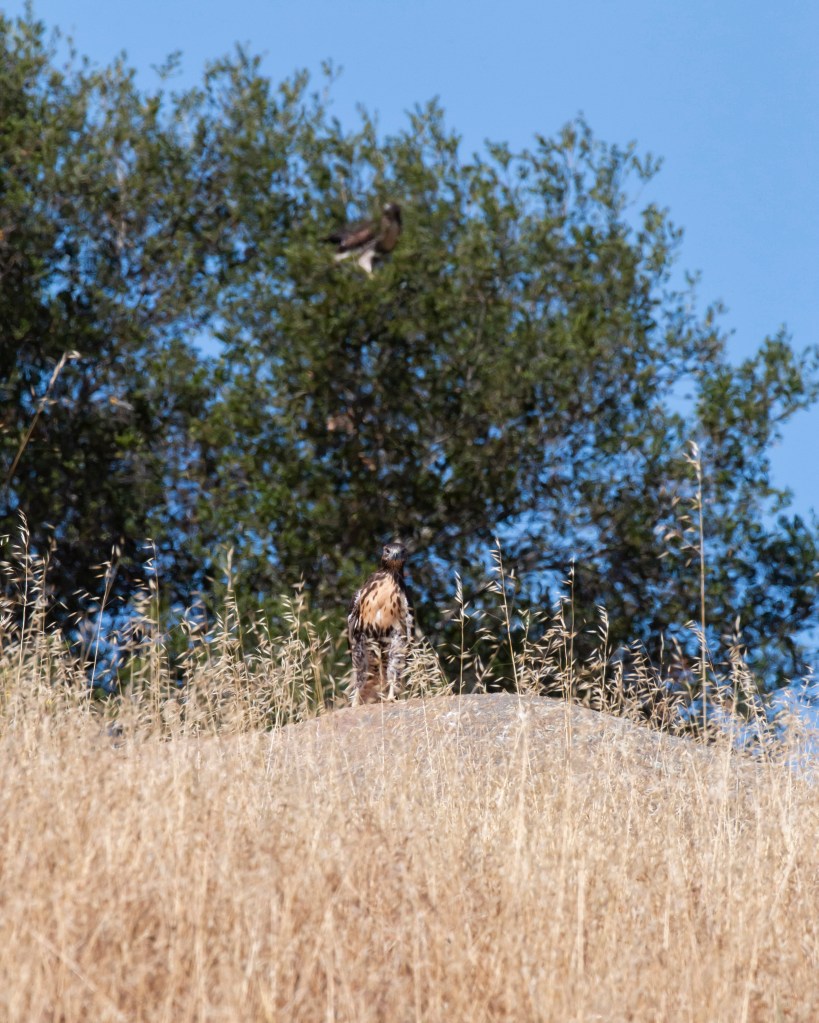
We pulled off the road before getting to the park when we saw these two raptors because we thought maybe this dark Red-Tailed was a Golden Eagle…

Two Red-Tailed Hawks (second above in tree)
Lark Sparrow Individual #1 (New for our list!)
Lark Sparrow Individual #3
Cassin’s Kingbird
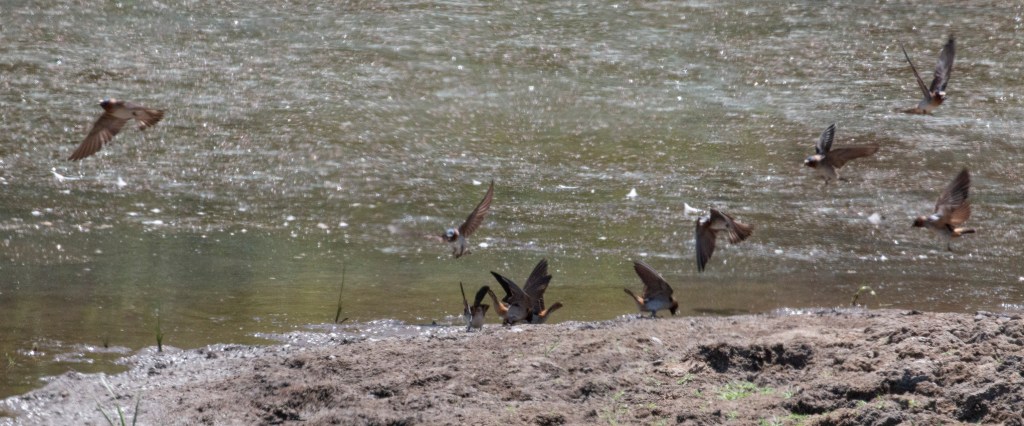
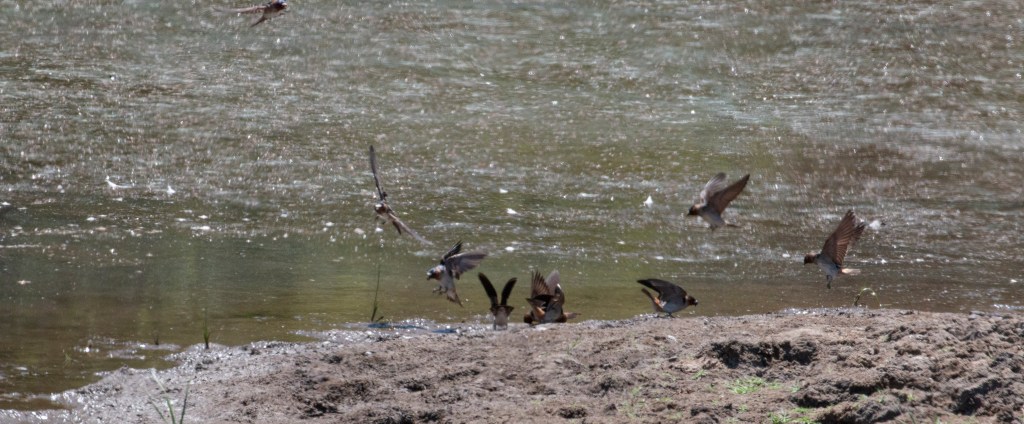
Cliff Swallows
Killdeer
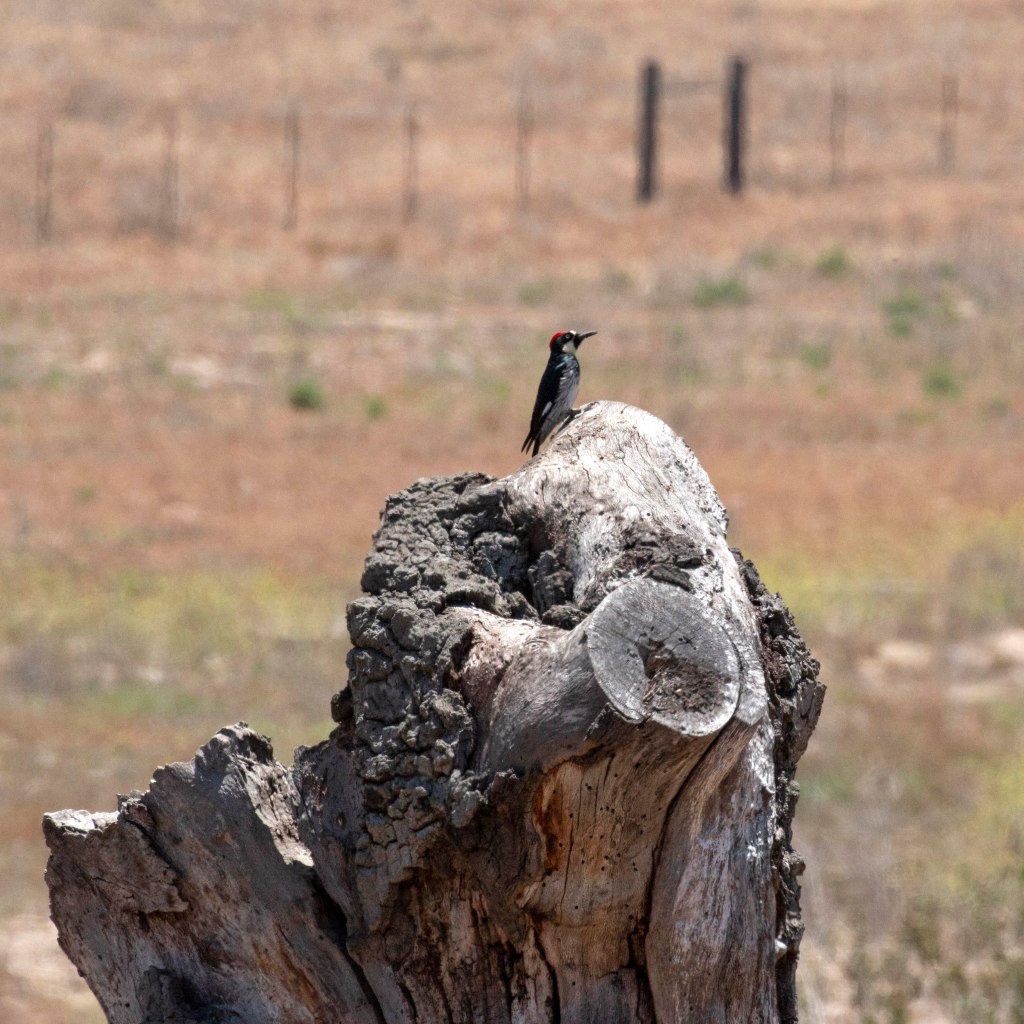
Acorn Woodpecker
Coyote

Also seen and photographed: Bushtits, Western Bluebirds, Snowy Egret, and Turkey Vulture.

-Blair
Guanajuato Hummingbirds

Guest blog by Tania Jimenez.

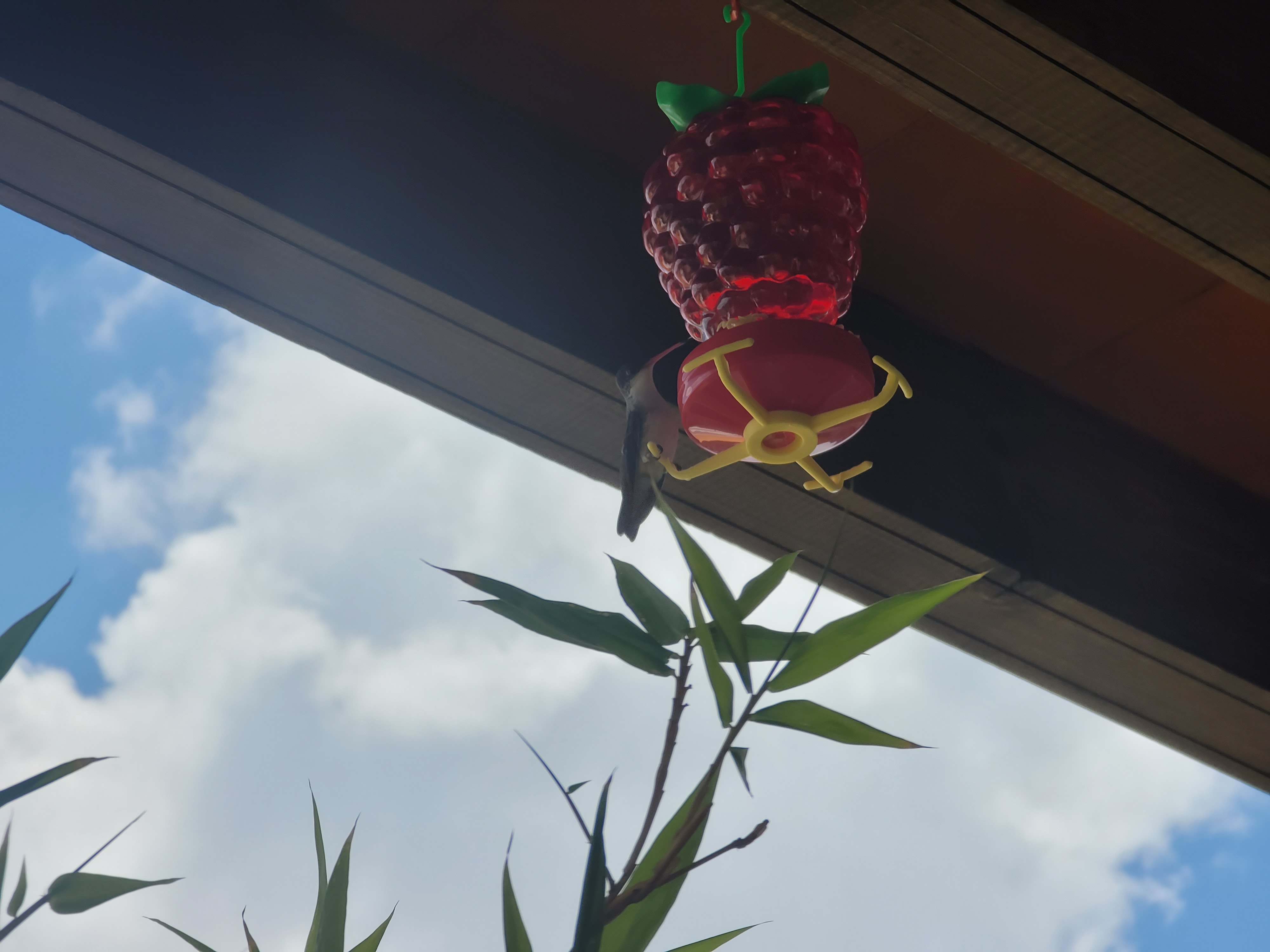
Hola Amigos, from the humble and colorful city of Guanajuato, Mexico, I present to you this very quick feisty hummingbird. A bit of a luchardor(a) that made a few guest appearances during my stay in Guanajuato and who very fiercely protected its food source from other hummingbirds! My humble (and probably wrong) guess is that it may be a young violet-crowned Hummingbird but my guess is as good as yours! Looking forward to all your guesses as to what this little feisty birdie is 🐦. Saludos, Tania 🐣

Hummingbirding en Guanajuato

Finders Keepers Cooper’s

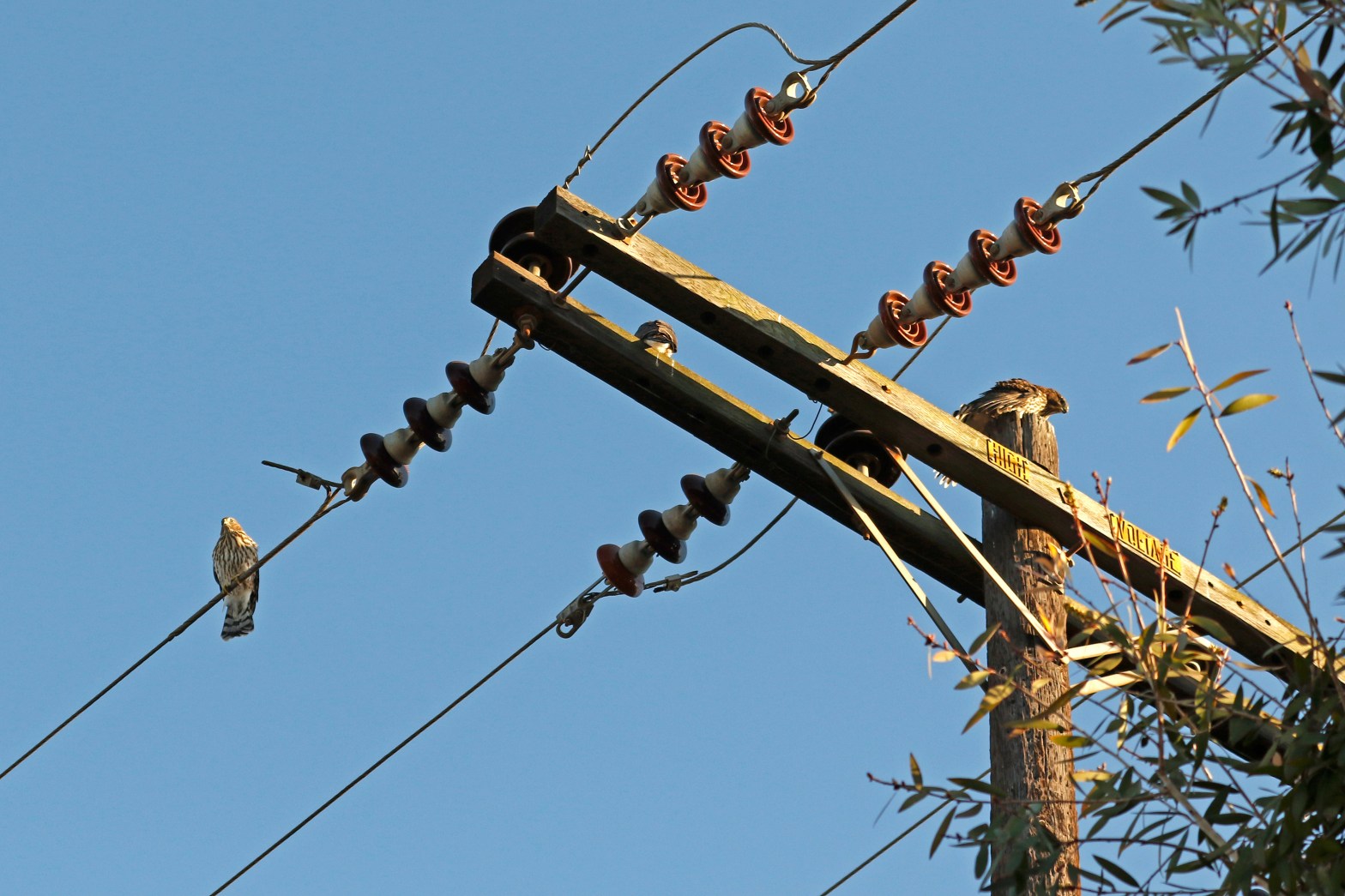
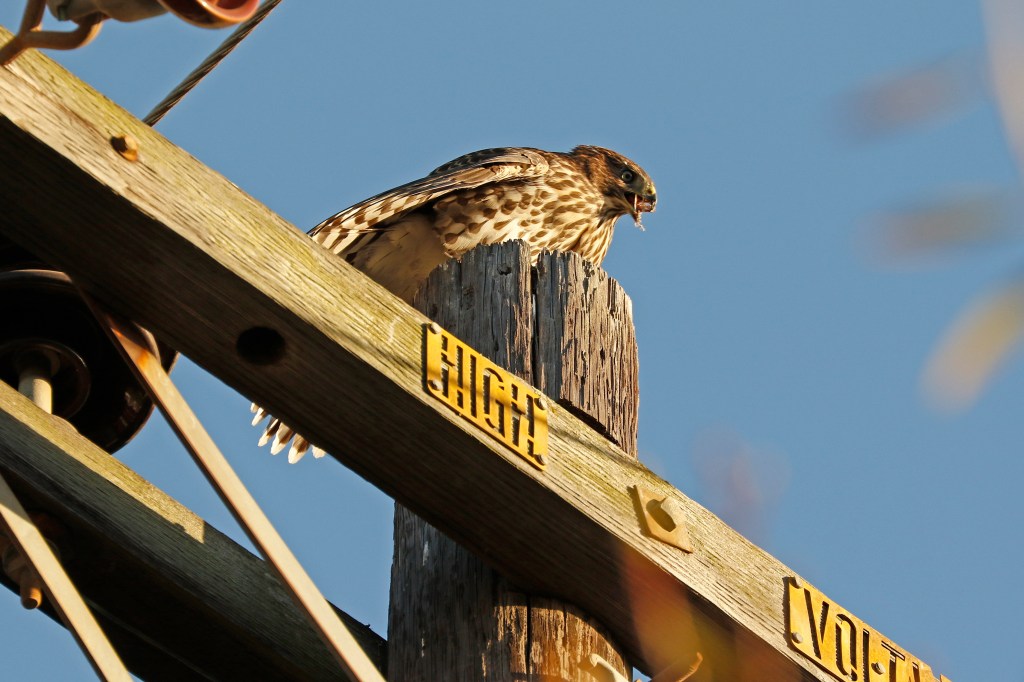
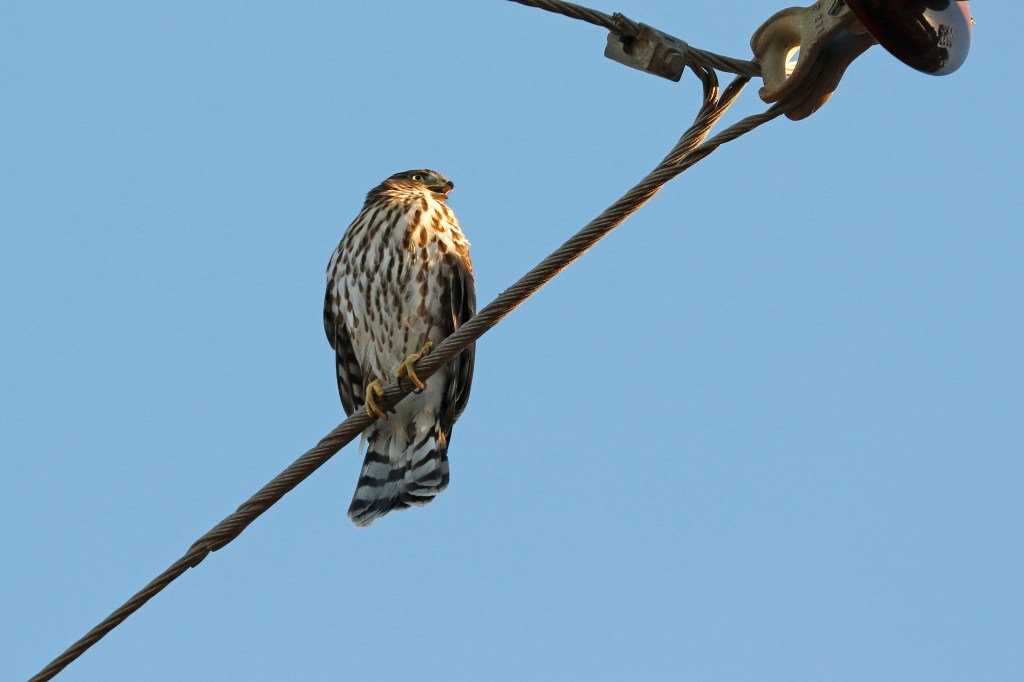
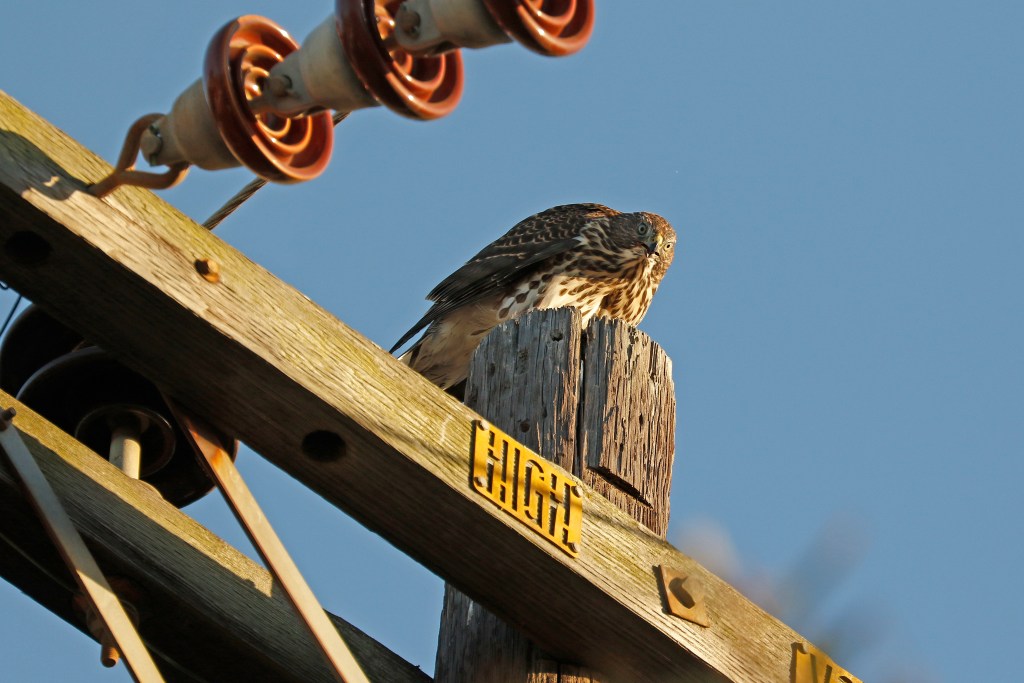
Late yesterday afternoon I heard loud screeching behind our house. When I opened the door and stepped out I realized the origin was close above me. There is a high utility pole behind our back wall and atop it was a juvenile Cooper’s Hawk, another one close to it on the wire and a third one swooping in. All were screeching. Soon I realized the bird on the pole had something under its feet and was eating. I couldn’t see what the prey was. I didn’t notice any feathers floating about the scene, so maybe some poor rodent. Ultimately the two non-dining hawks realized there would be no sharing, so they headed to a nearby tree and continued to launch the occasional acoustic assault from there.

“What are you looking at?”

Dad / Dean

All in the Family

Our month of May was such a blessing. With the added protection of our completed immunization process, on top of continued personal precautions, we traveled the length of the U.S. west coast, from Rancho Bernardo CA to Seattle WA (via Point Reyes National Seashore, Mount Rainier N.P. and Olympic N.P.), then back south to Bishop, Mammoth Lakes and Davis, California. Spending time with three of the other “teams” and sharing long-missed face-to-face time was so fantastic. With respect to birding, we appreciated the graciousness of the other teams, their sharing of local knowledge, chauffeur services, the alerts to sightings and tips. Below are just a few of the avian images we were able to enjoy along the way.
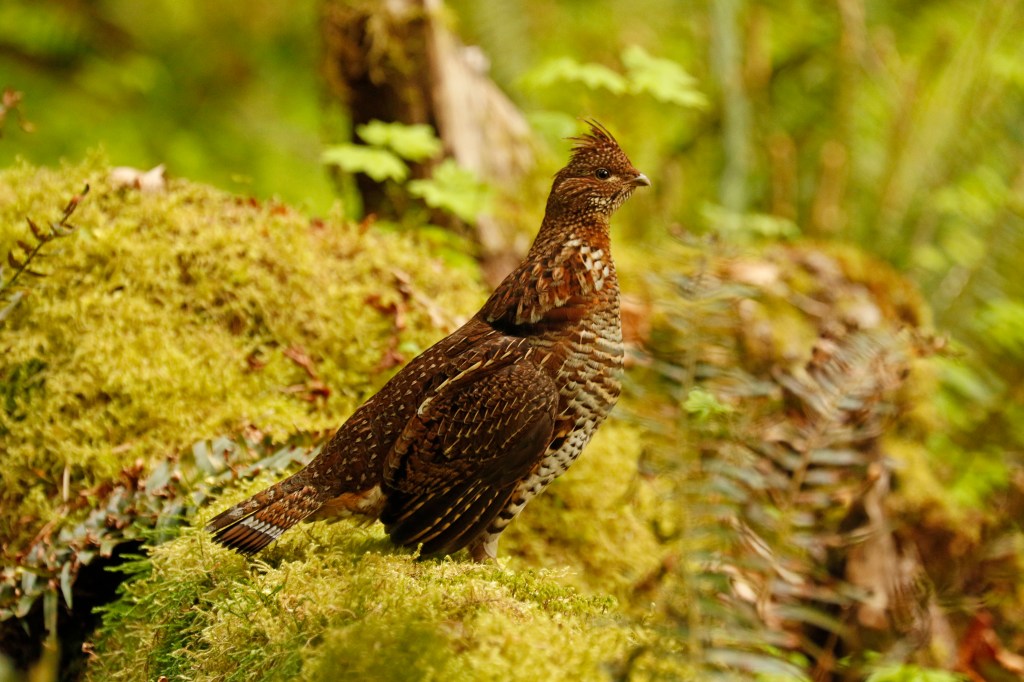
A Ruffed Grouse who greeted us along the Hoh River Trail in Olympic National Park. David taught us what to listen for when looking for a grouse.
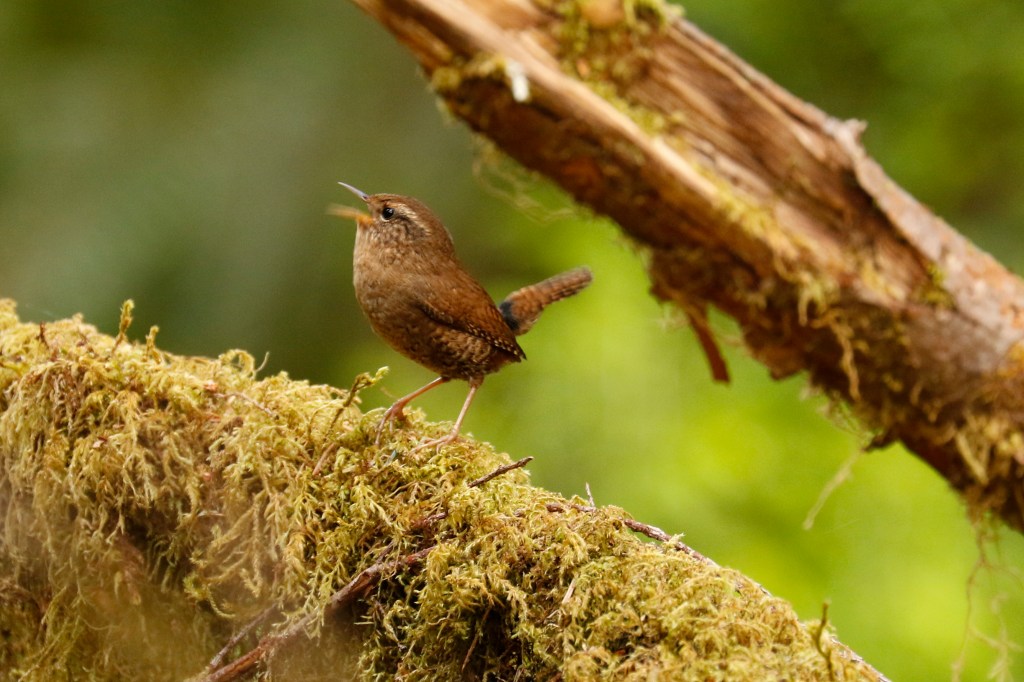
A Pacific Wren who entertained us on the same Hoh River Trail in Olympic N.P.
A Canada Jay, one of many we saw after David introduced us to our first in Mount Rainier N.P.
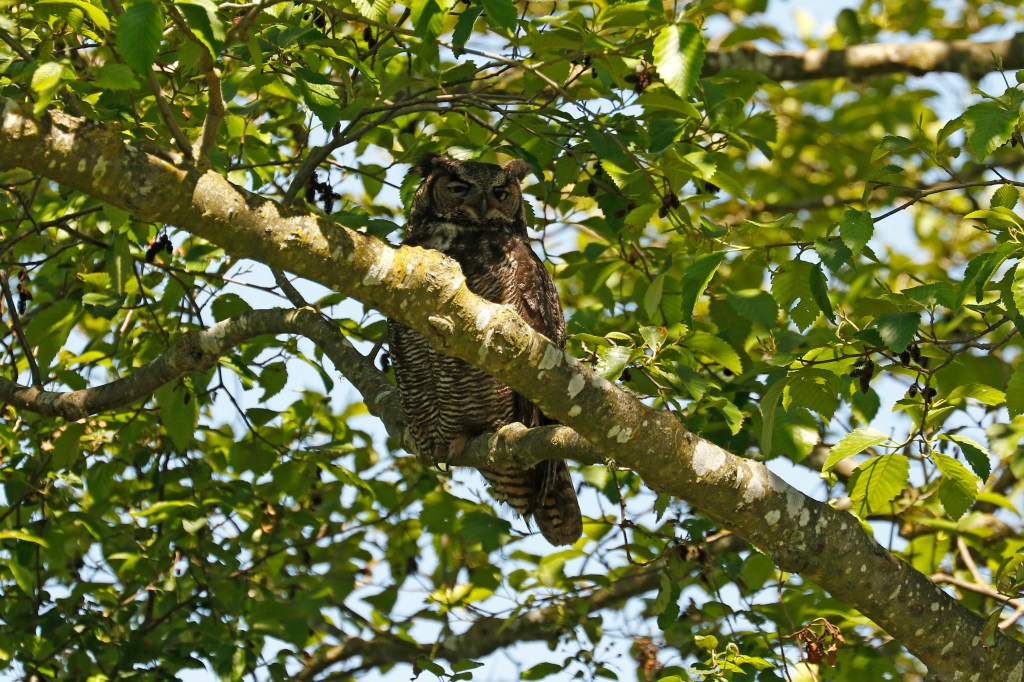
An adult Great Horned (top) and two juveniles seen in the Skagit Wildlife Area, WA.
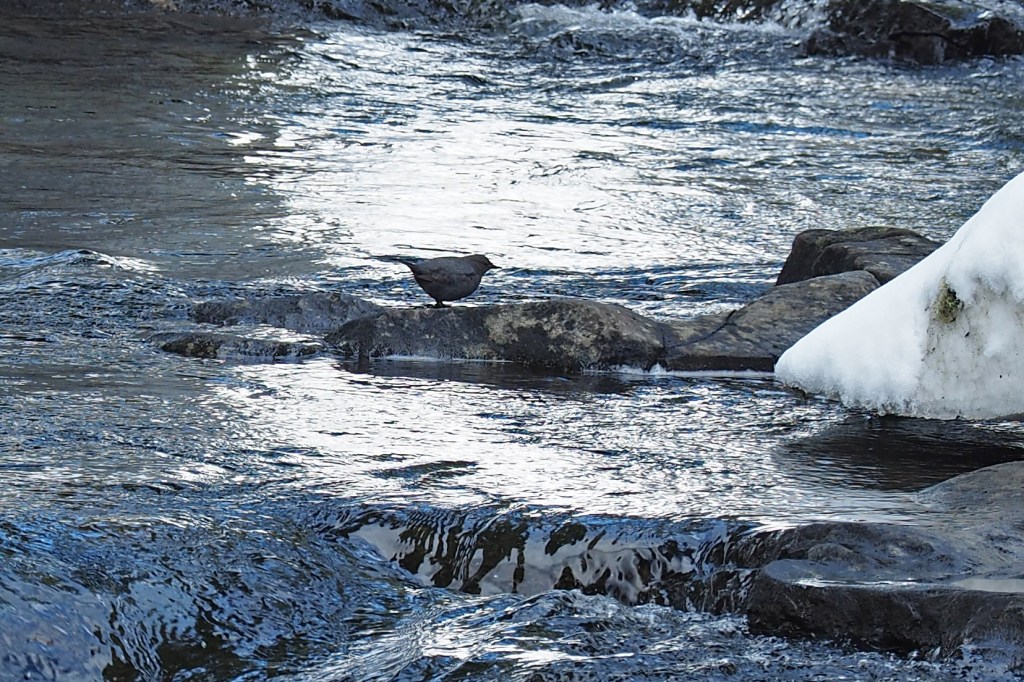
An American Dipper, spotted by David in Mount Rainier N.P. Thanks to his tips on what to look for we saw another one in Olympic N.P.
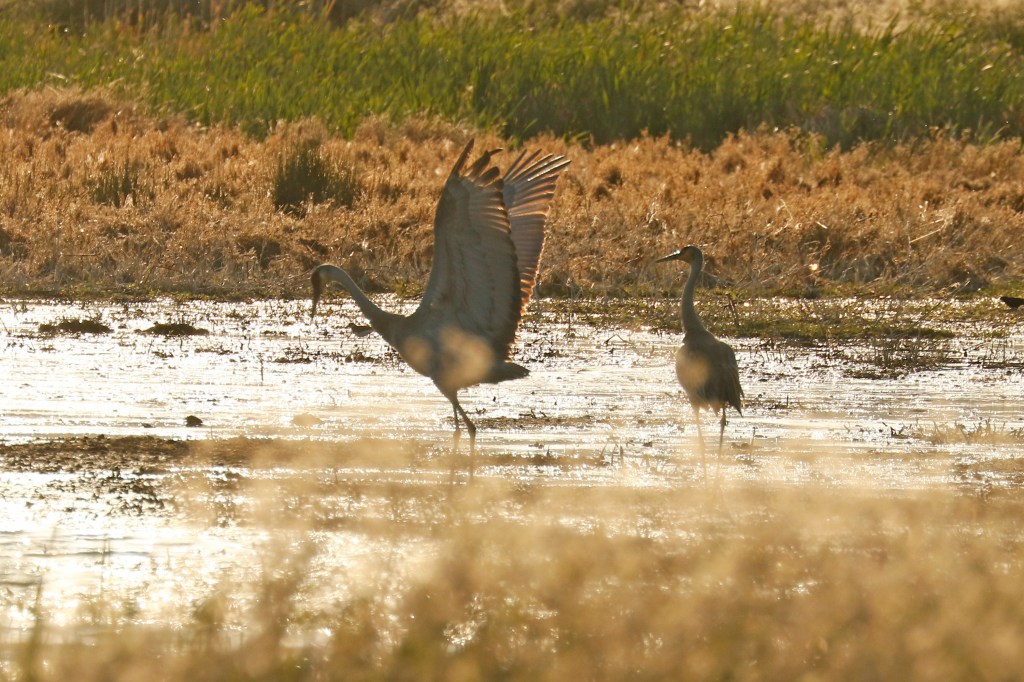
Susanville CA was just a one-night stop on our way back south, but it also provided some lifers like these White-faced Ibis (above) and Sandhill Cranes (below)
While the wild turkeys we hoped for in Davis CA didn’t show up, we did see our first Wood Ducks at the UC Davis Arboretum. One more bird for the 2021 list and a lifer! No complaints for sure!
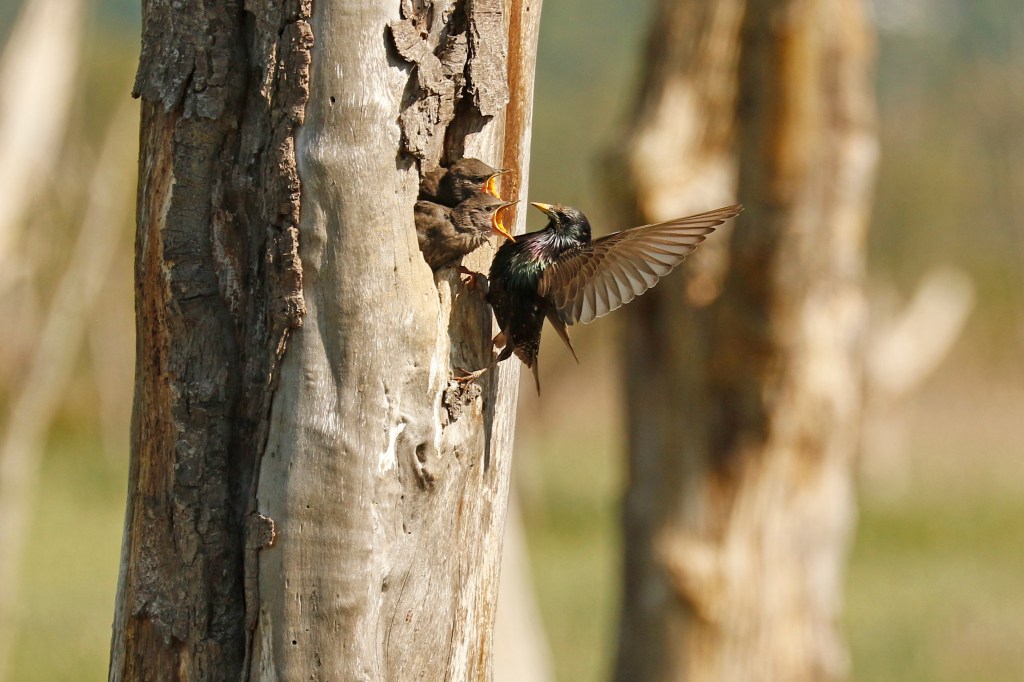
One of my favorite images from the entire trip. David noticed the nest and chicks in this tree in the Skagit Wildlife Area and an adult European Starling circling in. We patiently waited, cameras at the ready, for the quick feeding. What a treat for the little cuties and us.

Dad / Dean

Alewives … food for Osprey

Alewife | Chesapeake Bay Program

In-between work this spring I have been occasionally volunteering with Somes-Meynell Wildlife Sanctuary in Somesville, Maine. I have been assisting with the Alewive Migration count. Alewives, sometimes called river herring, are a migratory diadromous fish that visit the streams and ponds each year to spawn. Diadromous means the fish spend most of their adult life in saltwater, but briefly return to freshwater to reproduce each spring. At this particular watershed there is a fishladder that assists the fish with traversing over a dam. Those Alewives that don’t choose to spawn in the pond directly next to the dam will swim few miles upstream to two different additional ponds to spawn.

The Alewive fishery was once quite abundant in the state of Maine. Alewives are harvested in only about 30 Maine towns, and most historical runs have disappeared due to overfishing, pollution of river waters, and by the erection of dams creating a barrier to fish passage.

This migration count project is important because it helps gain information about the health and recovery of the Alewive population of the Somesville watershed comprising over 1000 surface acres of lake and stream habitat.

-The Patriarch

Link with info on Alewives: https://www.fws.gov/gomcp/pdfs/alewife%20fact%20sheet.pdf

Description of Videos:
Fish ladder and Alewives moving through counting gate. Osprey coming in for an Alewive Snack.